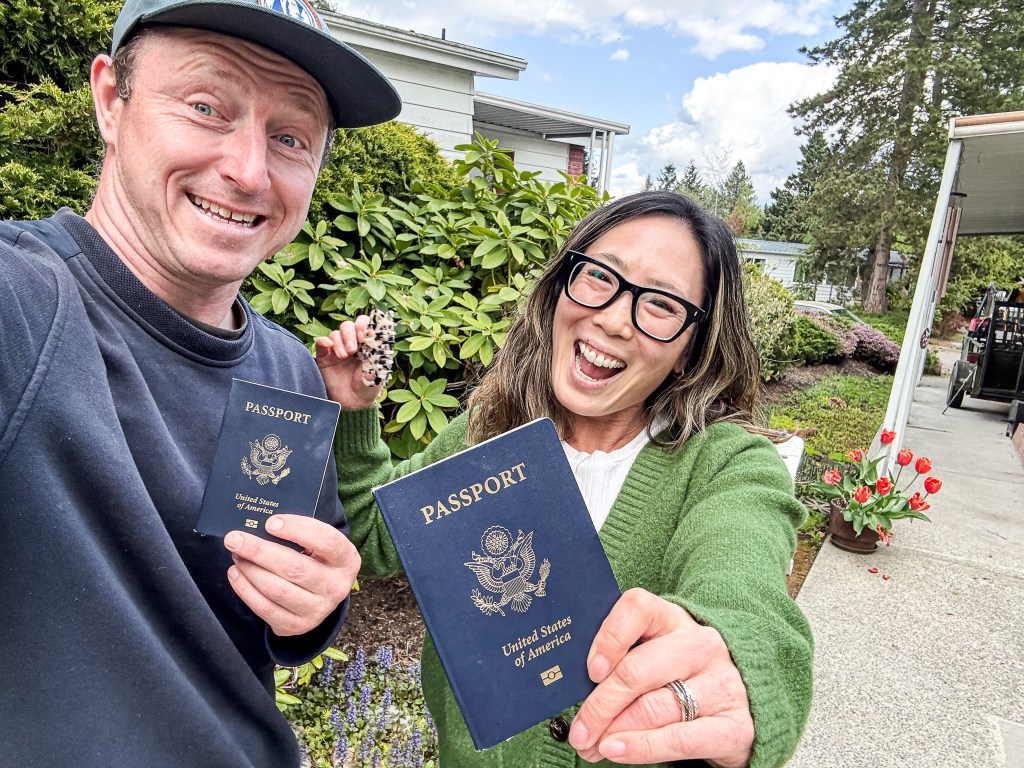
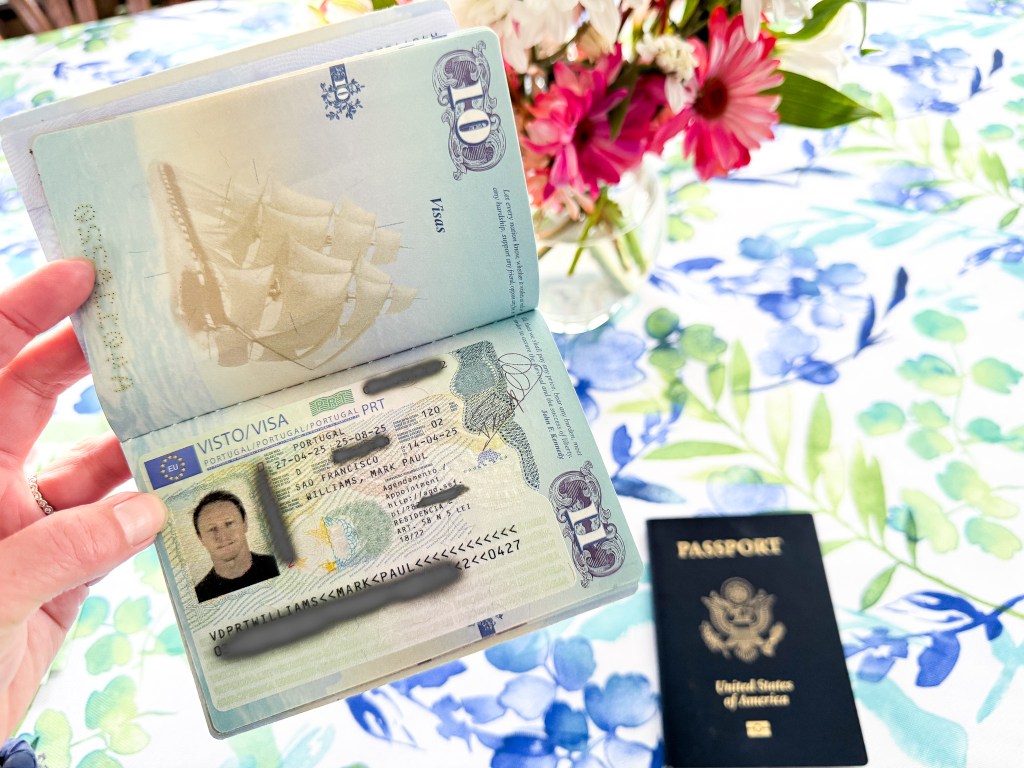
After more than 6 months, we finally got our residence visas approved!! 🎉
This time, through the D7 passive income visa, and after a lot of extra hurdles, we’re finally on the other side.
The Backstory: From D8 Denial to D7 Redemption
If you read our earlier post, you know we initially applied for the D8 (Digital Nomad) visa. At the time, it felt like the best fit for our lifestyle and work setup — but we ended up getting denied.
The reason? Portugal took an extremely narrow view of our finances, focusing only on the most recent three months of income. Despite having a healthy investment portfolio, savings, and solid tax returns, my freelancer income was inconsistent enough to raise concerns.
We consulted with an immigration advisor who told us that appealing would be risky and potentially drag on for up to nine months. Instead, he recommended a full re-application under a different category — the D7 visa, which is geared toward passive income. Thankfully, we qualified.
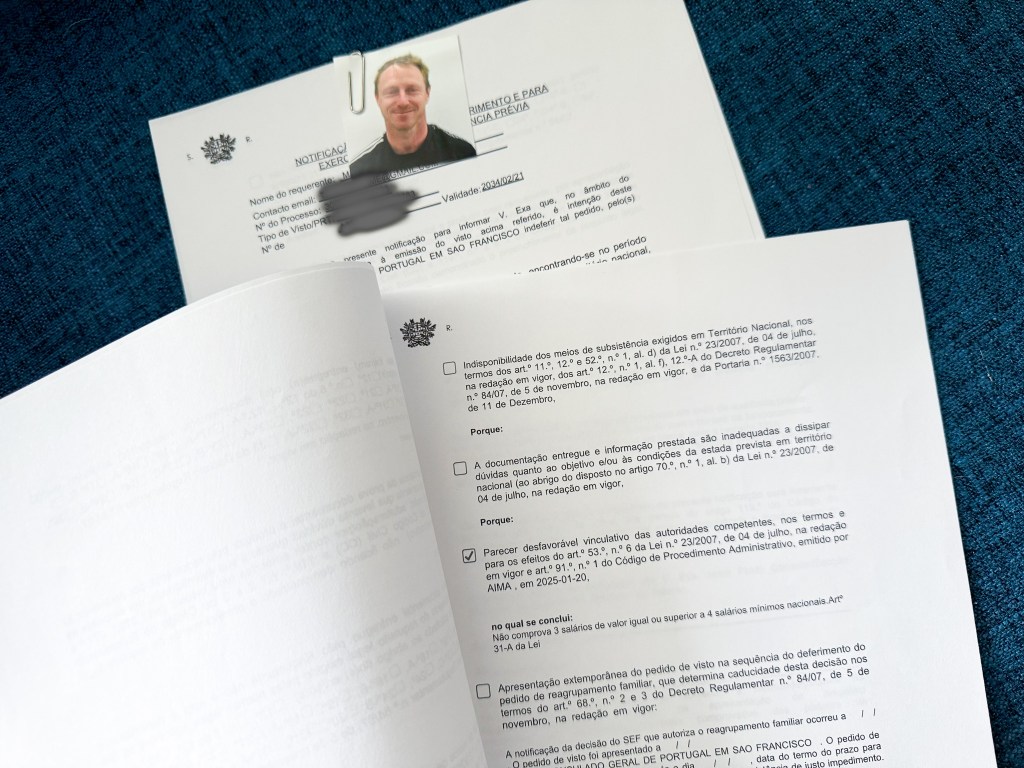
Reapplying Meant Starting Completely From Scratch
What we didn’t expect was that switching visa categories meant we’d have to rebuild our entire application from the ground up. None of the documents we’d already submitted would be reused — not even the notarized passport copies, apostilled marriage certificate, or FBI background checks.
It was a huge undertaking to re-compile 50+ pages per person, especially while we were abroad. And some of those documents were significantly harder (and more expensive) to get from outside the U.S. (more on that in a bit).
A Small but Huge Win: Skipping VFS
One bit of unexpected good news — this time, the Portugal consulate allowed us to bypass the VFS appointment entirely and send our paperwork directly to them. It’s definitely not standard procedure, and we’re incredibly grateful we got to work directly with the consulate and avoid another trip to San Francisco.
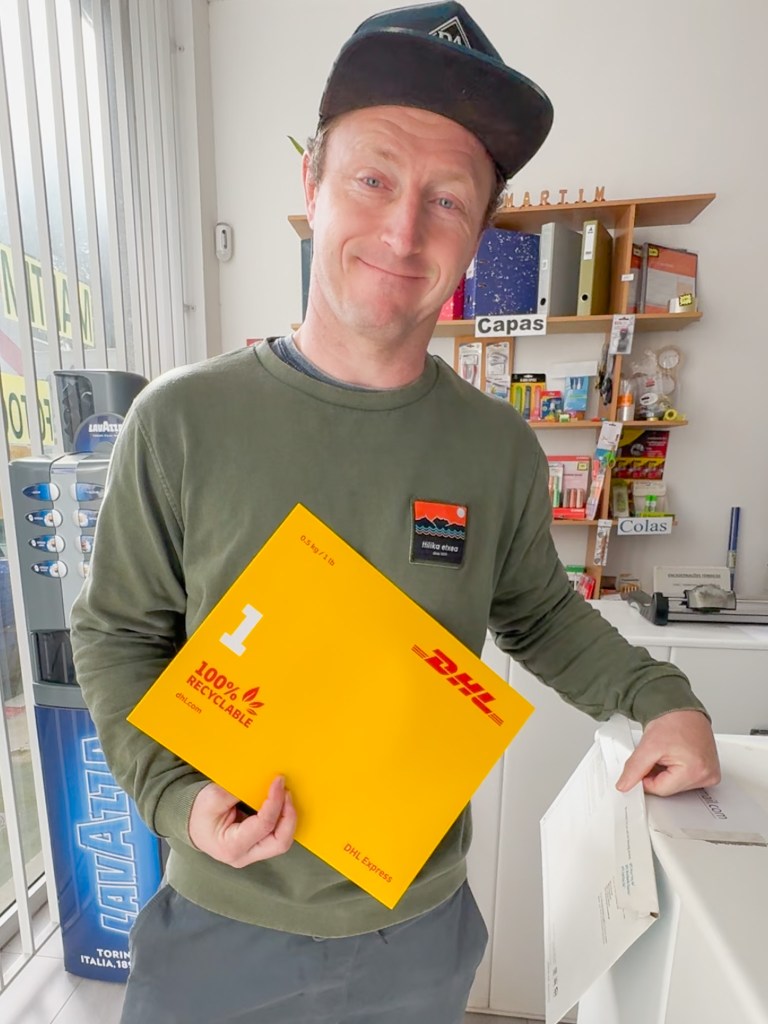
A Very Frustrating Communication Process
That said, working with the consulate wasn’t easy.
We could never get someone to pick up the phone, and our only option was email — which quickly became its own challenge. Every reply seemed to come from a different person, who wasn’t familiar with our case and would only answer a limited number of questions (often inconsistently). Responses could take anywhere from 1 to 4 days, which made clarifying even basic requirements incredibly frustrating.
After a long 8 weeks of back and forth, a senior rep from the consulate called us directly, and we believe that made all the difference in getting things over the finish line. That last-mile support was a game changer — but getting there was slow and painful.
Working With an Agency (and Still Feeling Unsure)
To help us navigate the second attempt, we worked with an immigration agency. It was definitely reassuring to have someone double-check our paperwork and help keep things organized — though even they weren’t 100% sure on some of the finer details, which just goes to show how much of a moving target this process can be.
Things shift fast, and what’s true one month might not apply the next.
FBI Fingerprints Abroad = Surprisingly Complicated
One of the biggest hassles in reapplying was getting new FBI criminal background checks — especially while we were abroad.
What’s a quick and simple process in the U.S. turned into a logistical mess for us overseas. We had to find a police station that could take our fingerprints, which ended up requiring visits to three different locations before someone could help us. The whole ordeal cost €238 for the two of us — compared to about $100 total in the U.S. — and we paid an additional €120 just to mail the fingerprint cards back to the FBI.
To make things even trickier, apostilles are now required for FBI background checks — sealed copies are no longer accepted, which was a change from our original application in October.
To speed things up, we used Monument Visa to handle the apostilling. Total lifesaver. Instead of waiting five weeks or more by doing it ourselves, we had our documents back in just 10 business days. The process was super smooth: we uploaded our digital FBI report, and they handled the rest, keeping us updated with email notifications as our documents were processed and shipped back. If you’re facing a tight timeline, we’d definitely recommend going this route.

Travel Insurance Trickiness
Because we were already living in Portugal, we had a private annual health insurance plan through MGEN. Unfortunately, that didn’t meet the requirements for the visa application.
Instead, Portugal requires travel insurance that:
- Covers all Schengen countries
- Includes at least €30,000 in medical coverage
- Covers repatriation costs
We purchased a 6-month policy valid for one year, which was accepted by the consulate. (This is worth emphasizing — it used to be 3 months, but that threshold seems to be increasing, likely due to visa processing backlogs.) Our immigration advisor specifically emphasized getting a one-year policy, even if your actual travel coverage is shorter.
There are several providers out there — AXA, SafetyWing, and Europe Insurance are the main options. We went with Europe Insurance, which was the most budget-friendly at €150 per person.
Proof of Funds: Banking + Passive Income Strategy
For financial proof, we took a few different steps that helped strengthen our application:
- We deposited €30,000 into our Portuguese bank account, which helped show that our first two years of living expenses were covered (general rule of thumb is €10k for the main applicant and €5k for each dependent, per year).
- To demonstrate passive income, we set up an automatic monthly withdrawal of $3,500 from Fidelity into our U.S. checking account. This created a consistent and documentable paper trail that felt as close to passive income as possible (since we haven’t officially retired yet).
These two pieces — funds on hand and recurring income — seemed to work well together under the D7 criteria.
A Few More Quick Lessons
- Fees change monthly: We checked the visa fee on March 1st, but it increased the next day (March 2nd — a Monday), so we had to redo our cashier’s checks. Always double-check the latest fees on the VFS website before mailing your packet.
- We needed an apostilled marriage certificate, since Mark was applying as a dependent/sponsored applicant. Not optional, even though it’s rarely spelled out clearly in the requirements.
- We didn’t need to provide flight itineraries. This is included in the VFS checklist, but was not something we provided.
Our Approval Timeline + What’s Next
We sent everything over to the consulate on March 10th, and the approvals came in staggered:
- Erika was approved on April 3rd
- Mark followed on April 14th
Even though we applied jointly, we’ve since learned it’s very common for the main applicant to be reviewed ahead of dependents, so don’t be alarmed if there’s a delay.
We were also lucky to receive our AIMA appointments (next step after visa approval) with our visas — something we’ve heard not everyone is getting right now. Both of our appointments are on August 14th, which is well outside the 90-day window of our visas, but we’ve been told that’s acceptable due to current backlogs.
One oddity: our appointments are scheduled in two completely different cities in Portugal. Apparently, not uncommon either. Another quirk in this never-boring process!
Final Thoughts: Should You Hire Help?
We did our research, read the blogs, followed the checklists — and still ran into issues. From choosing the wrong visa type to navigating ever-changing requirements, we learned how confusing and inconsistent this process can be.
The truth is, the requirements are a moving target, and there’s a lot of misinformation out there — even from official sources. One of the most reliable resources we found was a Facebook group focused on Portugal visas. It’s full of helpful advice, real-time updates, and free guides that are far more useful than most consulate websites.
After hitting some bumps, we ended up hiring a professional recommended through that group — and honestly, it was worth it. Having someone to double-check everything and help guide us through the re-application gave us peace of mind and likely saved us from more delays.
If your case is straightforward, you may be fine on your own — but if not, having help can make a huge difference.
We’re so glad to be through the process and ready for our next chapter in Portugal.
Questions? Drop a comment or message — we’re happy to share more.

Leave a comment