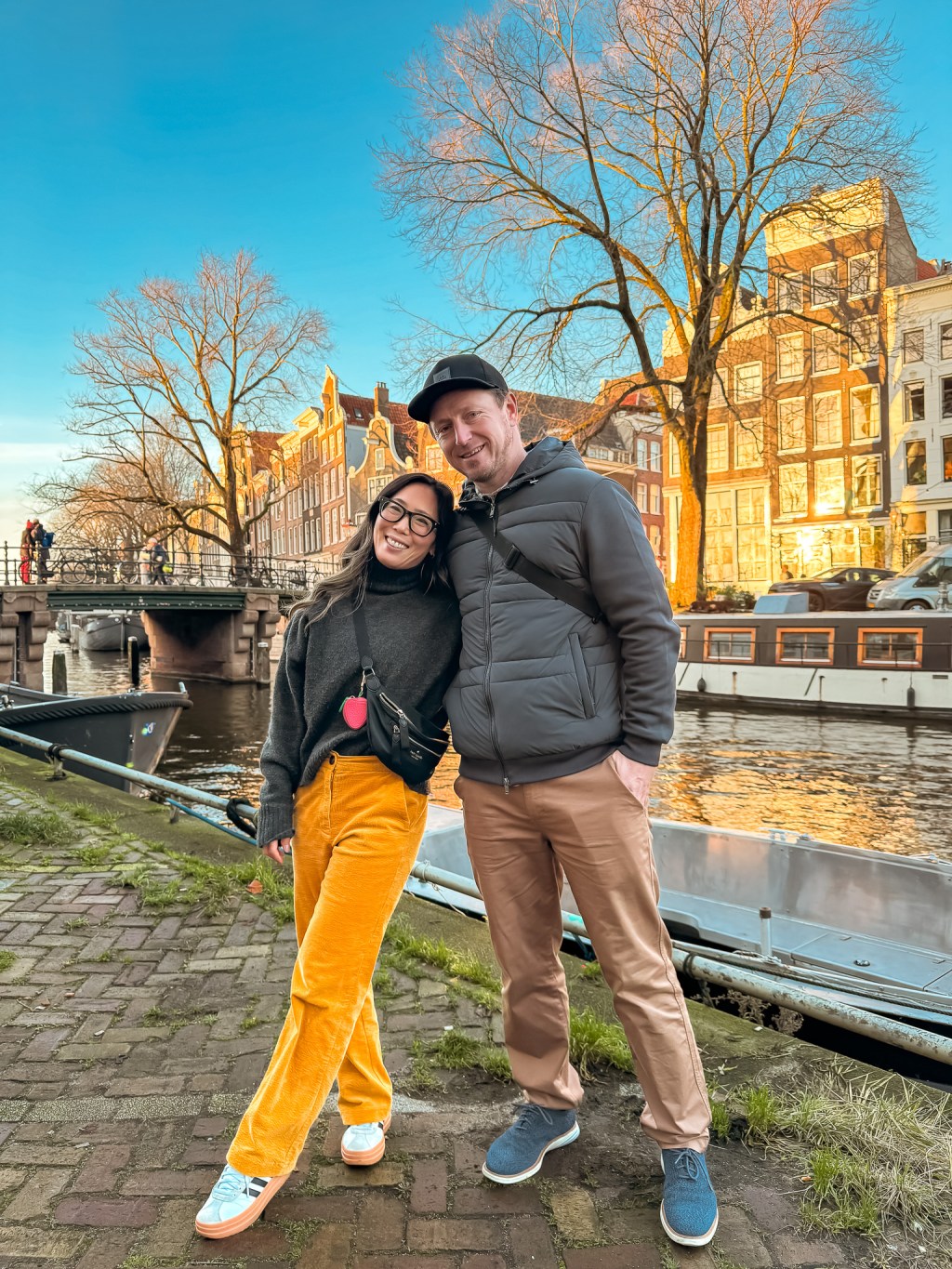
Moving abroad was something we’d talked about and dreamed about for a long time. At some point we just realized we didn’t want to wait until we were 70 and retired…we were eager to start living, traveling, doing the things we kept saying we’d do later. So we stopped treating it as a someday idea and started treating it like a plan.
Here’s the sequence of things that got us from researching to actually living in Porto — start to finish, about 11 months.
First: Get Brutally Honest About Money
Numbers aren’t our strong suit, so we got help. We sat down with a financial planner who could look at the full picture with us: what staying in Seattle looked like long-term, what moving to Europe looked like, what working part-time might mean for our retirement outlook. We ran real scenarios, not just wishful ones.
That meant looking at our actual spending — not what we thought we spent, but what the bank statements said. Subscriptions, groceries, dining out, car payments, property taxes, healthcare costs. Everything. Then building a real comparison against what a sustainable day-to-day life abroad would cost.
How we were going to continue making some income was part of this picture too. Erika was lucky to pick up freelance marketing work — remote, part-time, and flexible. And real estate in Portugal is like the wild west compared to the US, so Mark saw a real opportunity to step into an advising role helping people navigate buying property here, including people making the same move we did. We also gave ourselves a year-plus buffer to let the work picture take shape without pressure.
A few things worth building into your numbers from the start:
- A dedicated move budget. The move itself costs money — flights, temporary housing while you get settled, legal fees, deposits. It adds up faster than most people expect, and it shouldn’t come out of your living runway.
- A first-year buffer. Year one is unpredictable. Give yourself a financial cushion that lets you absorb surprises without panic.
Define Your Non-Negotiables
Once we had the financial picture, we got honest about what actually mattered to us — not what sounded good to say, but what we genuinely couldn’t compromise on.
For us, at the top of that list: a real path to EU citizenship. We wanted to be somewhere with a clear, legitimate route to it, with dual citizenship allowed so we wouldn’t have to give up our US passports.
A few others that shaped our thinking: English proficiency in daily life (we were committed to learning Portuguese, but we needed to be functional while we did), a stable political environment, safety, access to great healthcare, and a meaningful reduction in cost of living.
That list did something important: it narrowed the world from “anywhere” to a real shortlist. A lot of places that sounded appealing on Instagram fell away pretty quickly when we held them up against those criteria. That’s not a loss — that’s the filter working.
Research a Few Countries Deeply — Not a Dozen Superficially
We knew early on that we wanted to be in Europe, and it came down to Spain and Portugal.
Spain was genuinely on the table — Erika had a job offer that would have relocated us fully to Barcelona, and there are more traditional work opportunities there. But when we went deep on both countries — not just cost of living, but culture, bureaucracy, visa pathways, long-term fit — Portugal kept coming out ahead for us. Porto struck the right balance for us — walkable, genuinely local, but with enough of an international community to land in comfortably.
Go narrow, go deep, and let the research do the work before you fall in love with an Instagram version of somewhere.
Understand Your Visa Pathway — Earlier Than You Think You Need To
Don’t save the visa research for later — and know going in that not every country makes this easy. They’re genuinely not created equal when it comes to long-term visa options. Some have well-worn pathways with clear requirements; others are opaque, slow, or simply not set up for people who want to put down roots. The Netherlands, for example, has the DAFT program (Dutch-American Friendship Treaty), which offers a relatively accessible route for Americans looking to establish there as self-employed. Portugal’s D7 is designed for people who can show passive or remote income. Spain has its own options. The visa pathway should be one of your first research areas, not an afterthought — because it shapes your timeline, your paperwork, your finances, and in some cases whether a country is even viable for your situation.
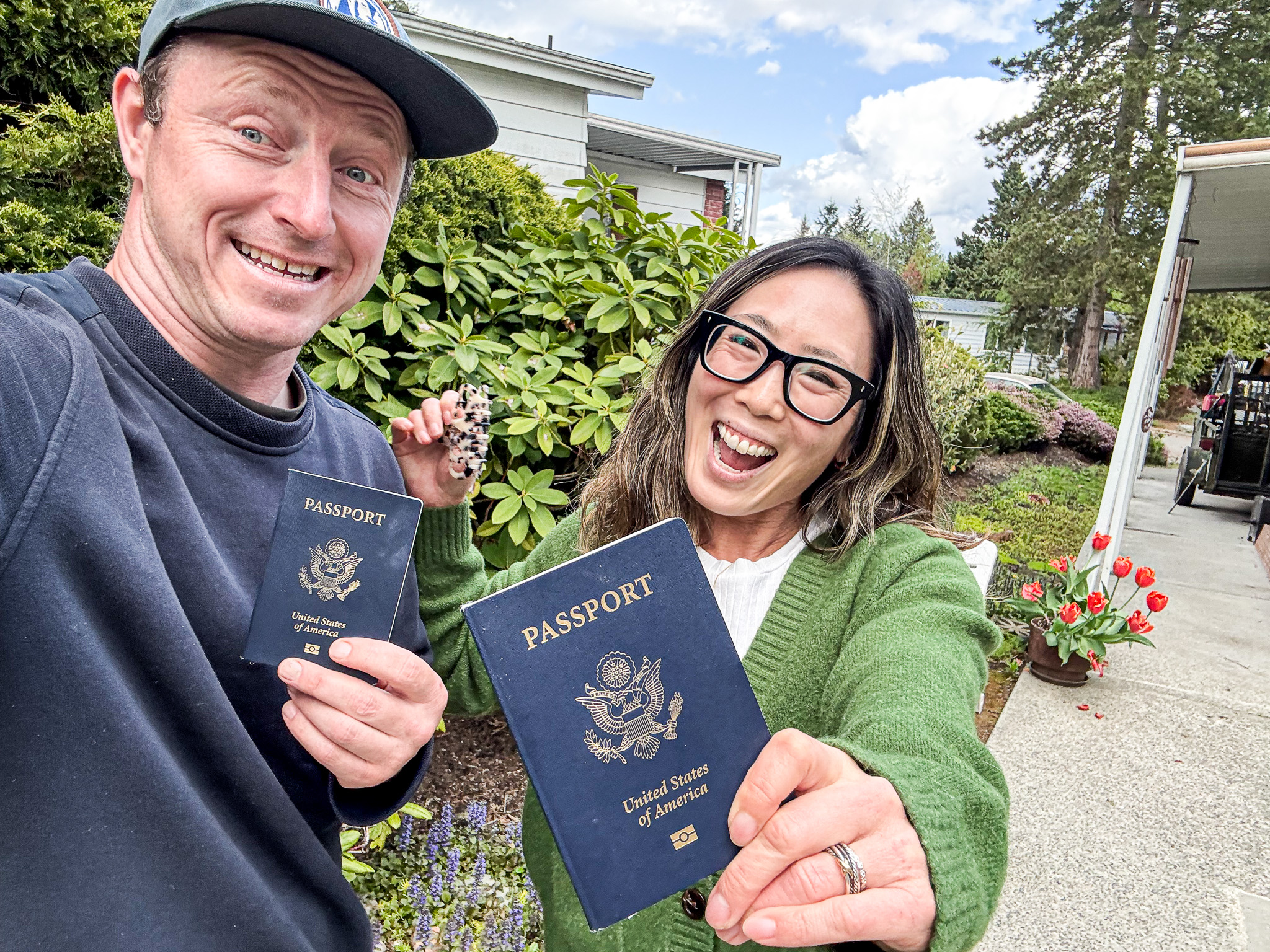
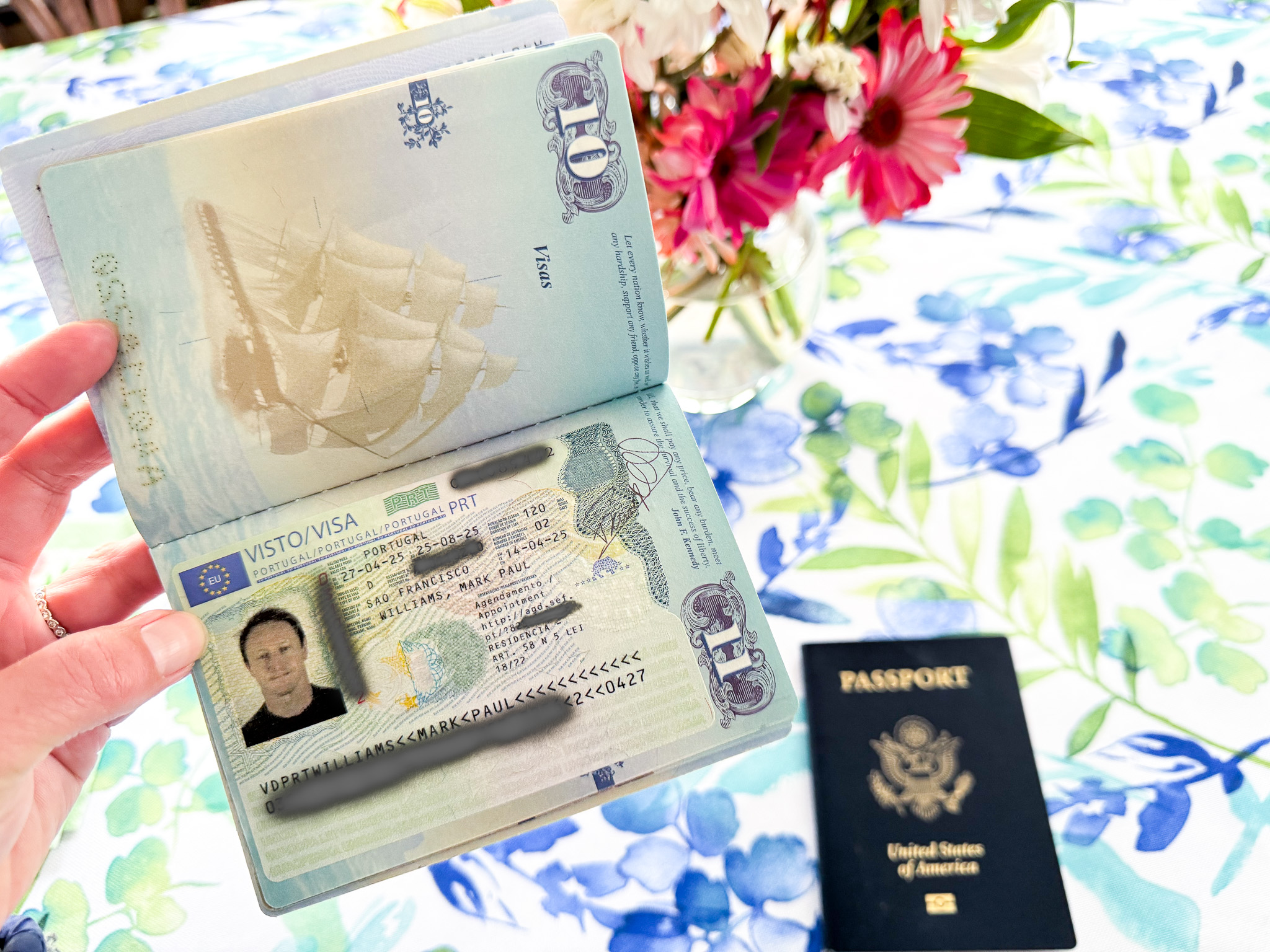
For us, the D7 Passive Income Visa was the right fit. Portugal’s bar is essentially this: can you sustain yourself without drawing on their economy? We have a lot more on what that process actually looks like in the documentation section below.
Do a Scouting Trip Before You Commit
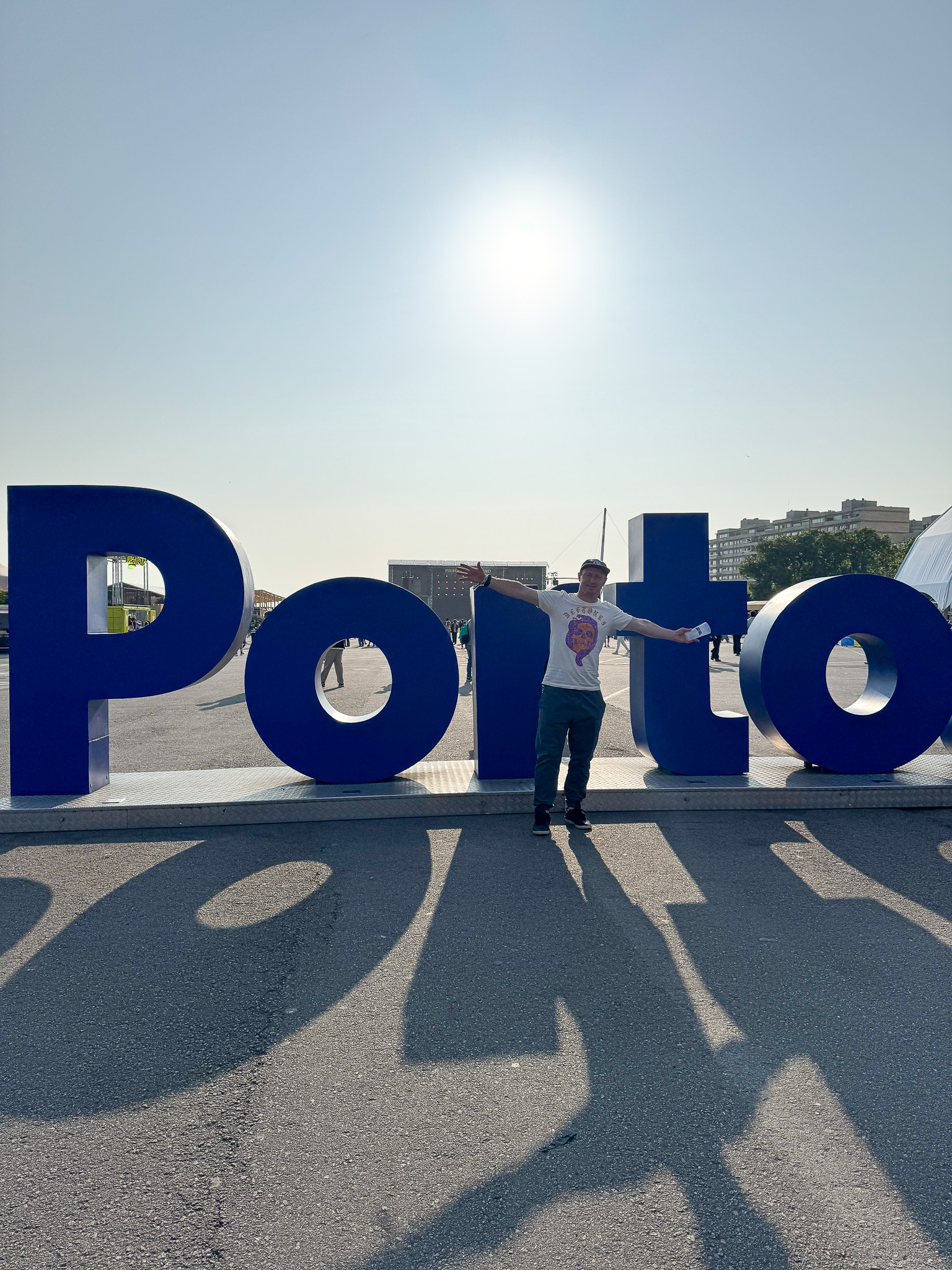
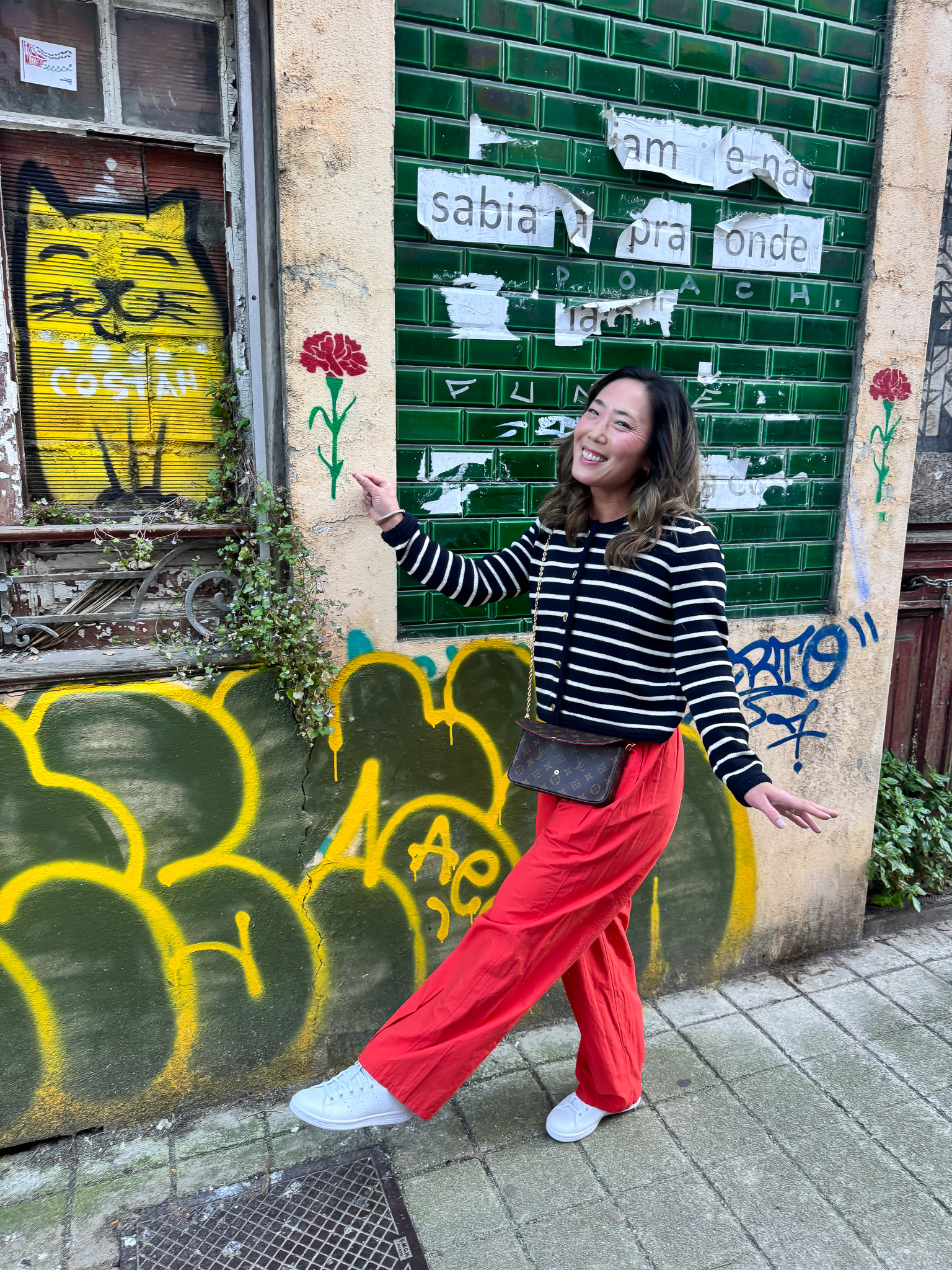
Before anything was final, we went. Two weeks total — one in Lisbon, one in Porto.
We were deliberate about not treating it like a vacation. We walked neighborhoods at different times of day. We went to the grocery store and the pharmacy. We found the spots locals actually use and sat in them long enough to get a feel for what ordinary life there looks like. We talked to expats who’d made the move a few years earlier and asked them what they wished they’d known.
We also used the trip practically. We got our NIF (Portuguese tax ID number) and opened a Portuguese bank account — both are meaningfully easier to handle in person, and having them sorted early removed a lot of friction later. That said, if getting there before you’re ready to move feels hard, there are services that can help you get your NIF remotely.
Porto felt right in a way Lisbon didn’t, for us. But you don’t really know until you’re there, walking it, sitting in it. The scouting trip is where the decision gets made for real.
Untangle Your Life at Home
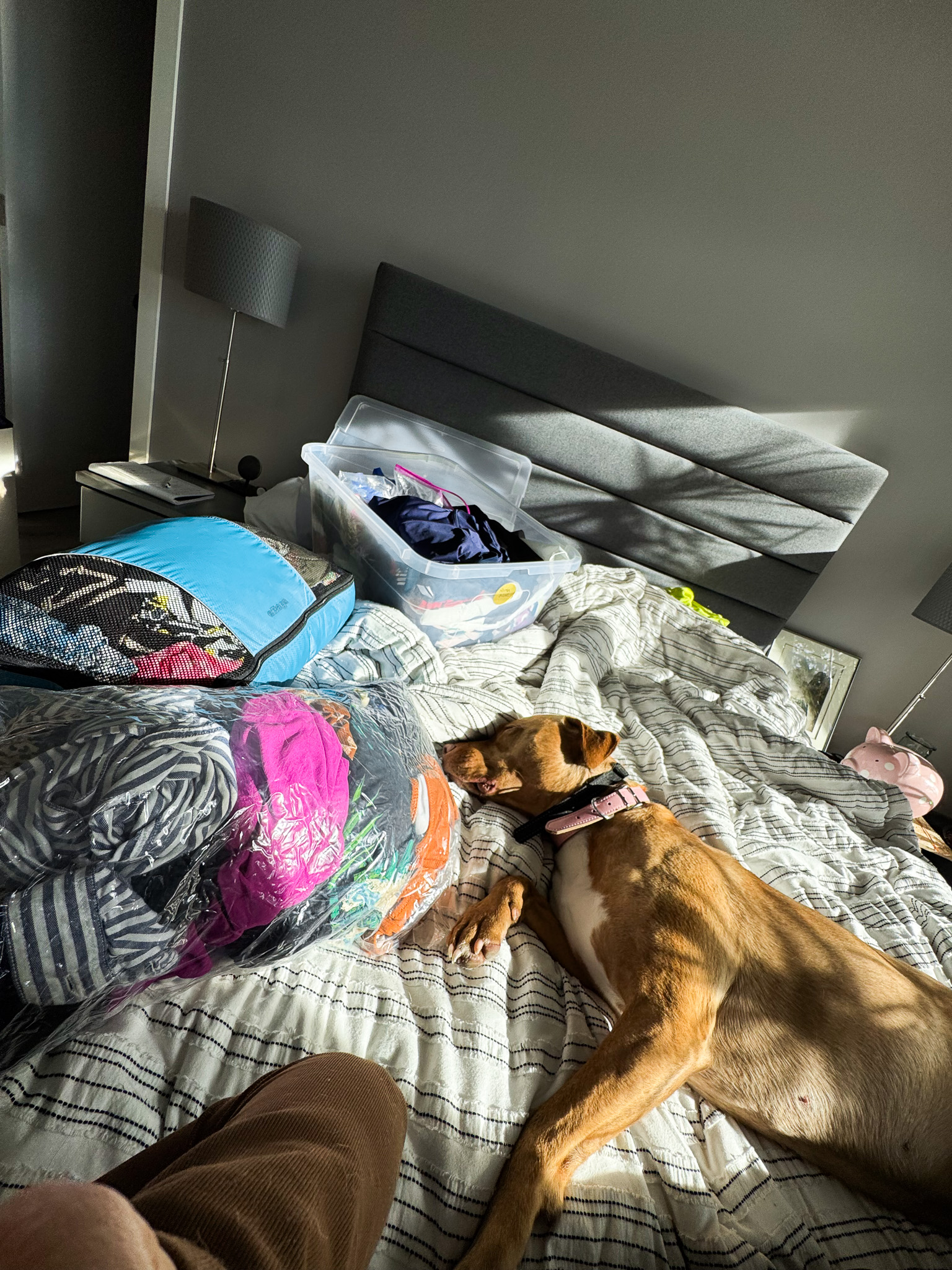
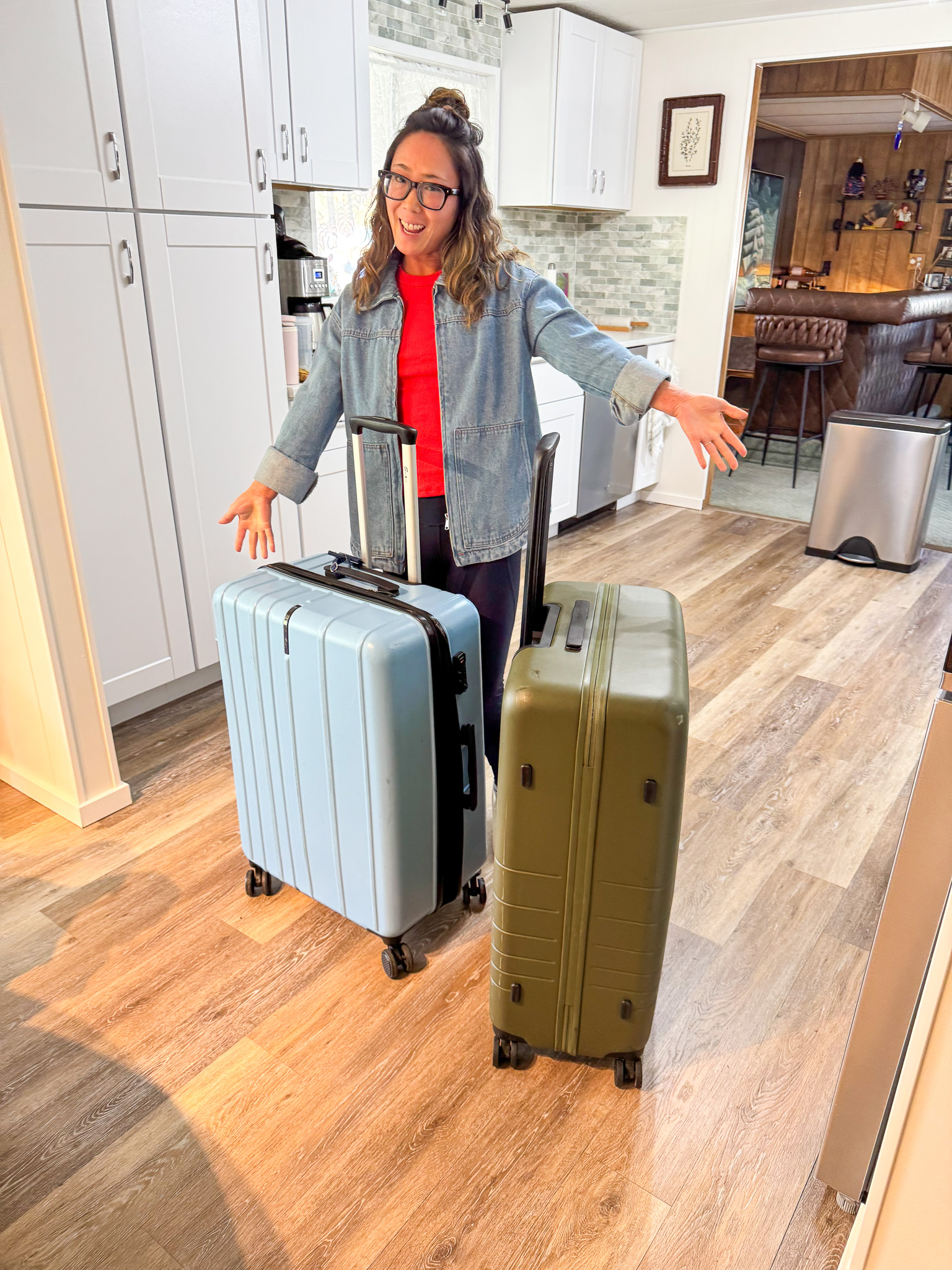
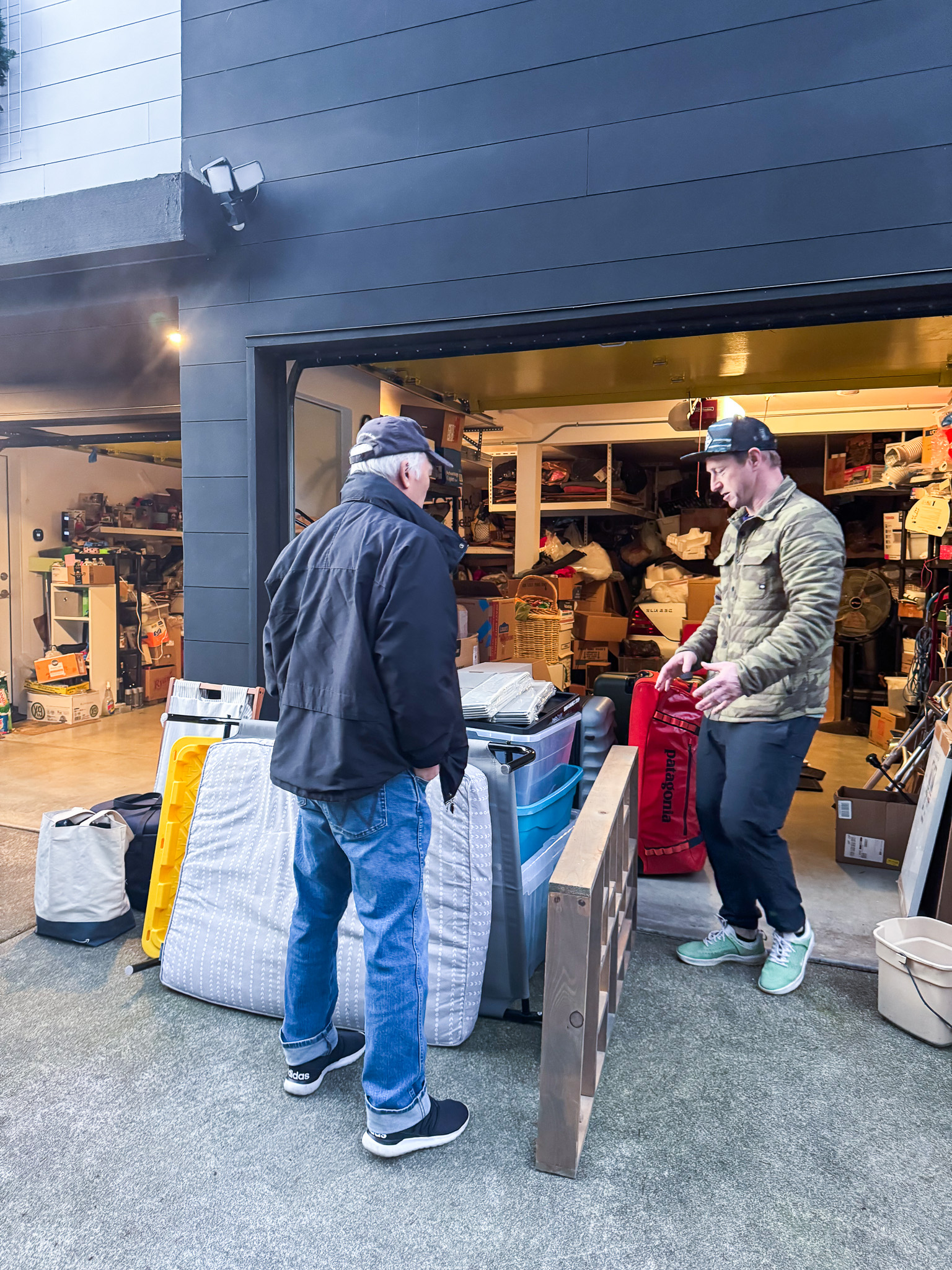
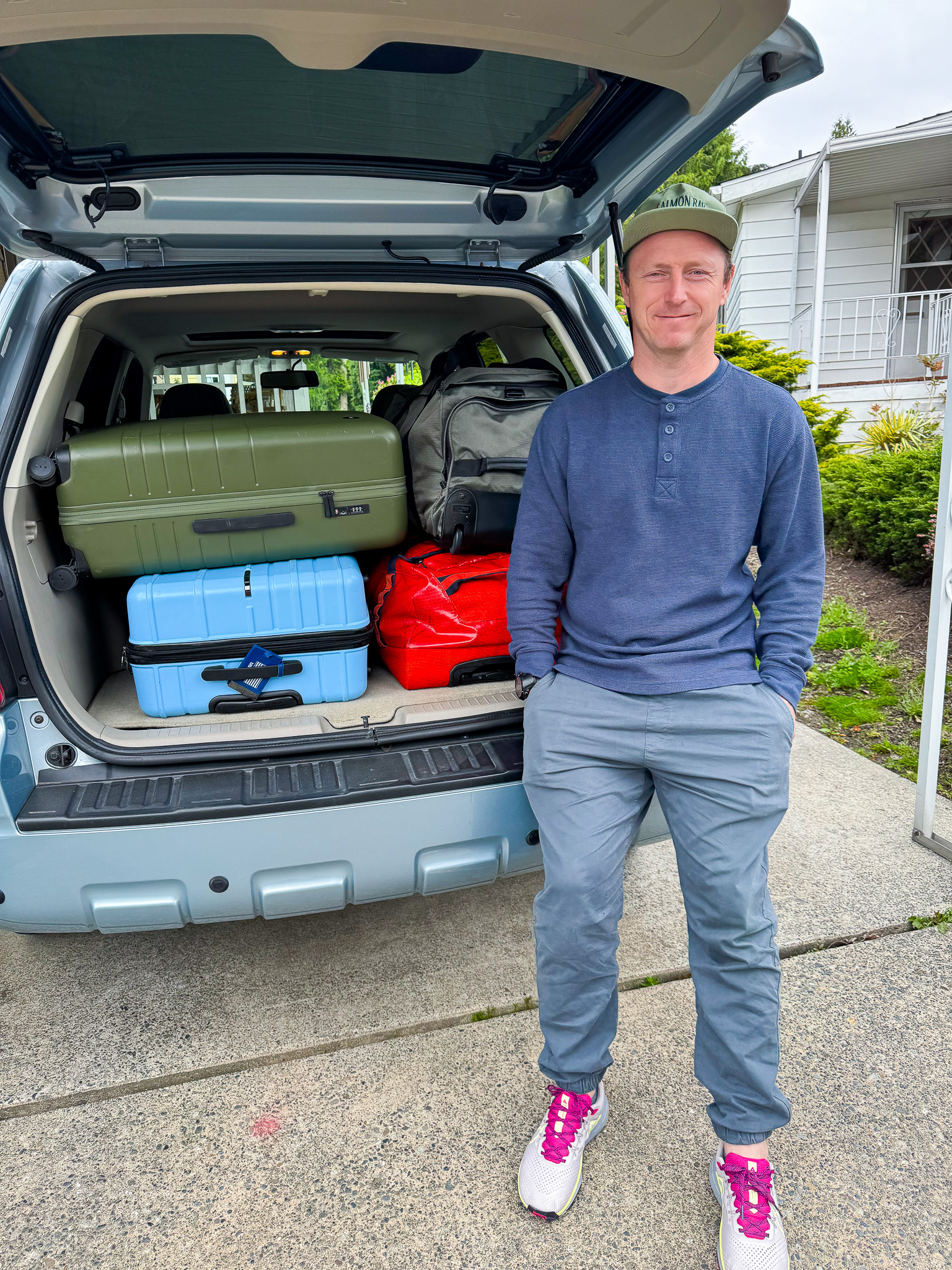
We’d both lived in Seattle for nearly all of our lives. You accumulate a lot of stuff when you stay somewhere that long — and going through all of it, room by room, was its own project. We didn’t ship anything over. We sold, donated, or let go of most of it, and were lucky to be able to store a few things like artwork at our parents’ houses. Mark is in real estate, so the house sale itself wasn’t as daunting as it might sound — but coordinating the timing of everything (the cars, the stuff, the closing) still takes real logistical attention.
What we didn’t fully anticipate was the psychological weight of it. And also, honestly, the freedom. Every time something left — a couch, a filing cabinet full of old documents, a box of things that used to feel important — the move became more concrete and less theoretical. There’s a lightness that comes with it, eventually.
The Visa Documentation Phase Is Its Own Full-Time Job
As we touched on above, the D7 documentation process is substantial. Think of it as two parallel workstreams — one on the US side, one on the Portugal side — that need to come together before your consulate appointment.
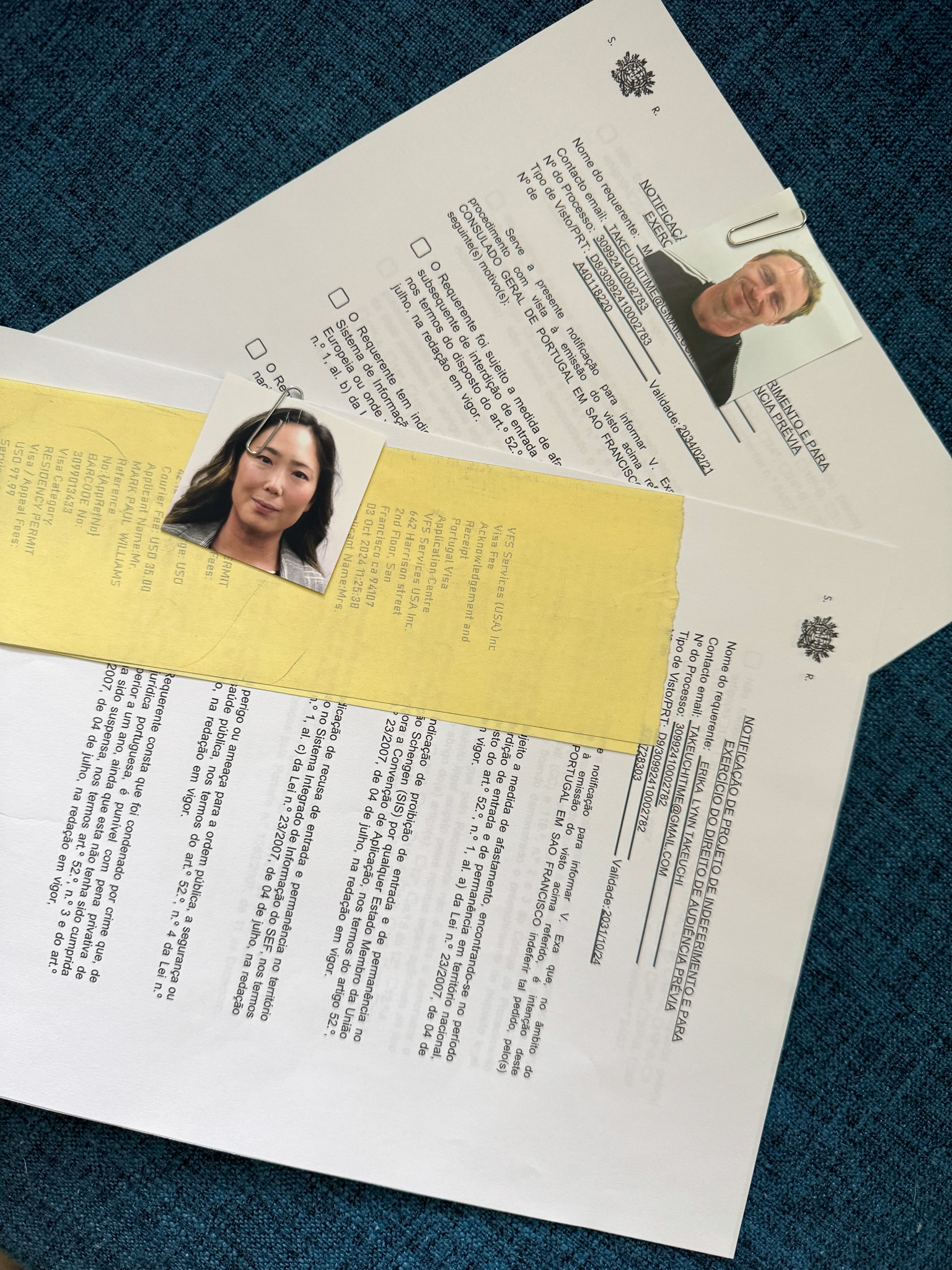
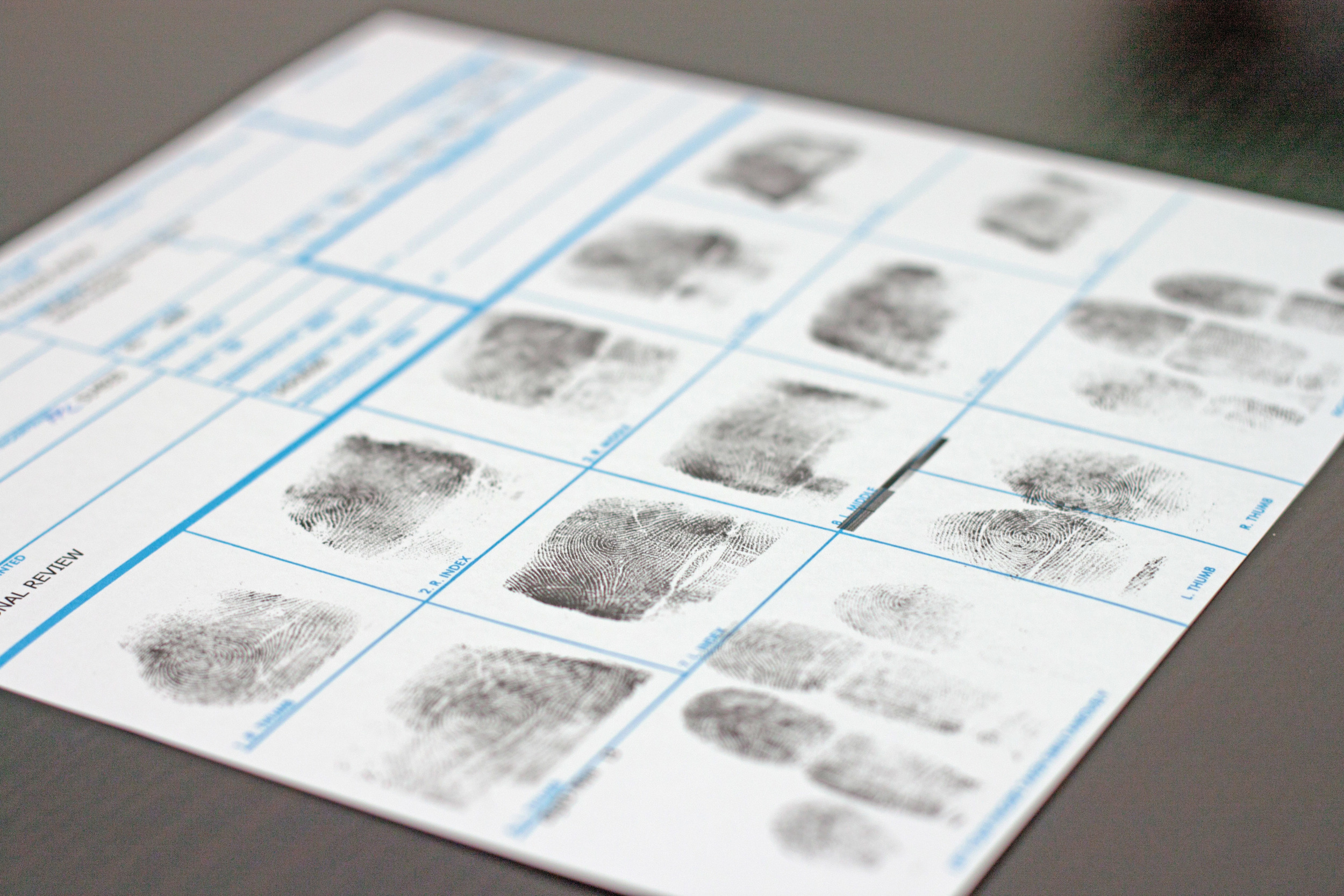
On the US side, you’ll be gathering financial records, background checks, and documents that need to be apostilled or notarized at the state or federal level — which takes real time. On the Portugal side, you’ll need your NIF, a Portuguese bank account, and proof of accommodation (typically a signed one-year lease).
Between all of it, this phase has a way of expanding to fill all available time. Start earlier than feels necessary and track every document’s status.
One thing we’d tell our past selves: enlist professional help earlier rather than trying to navigate it solo. We nearly got there on our own — it is absolutely doable — but it cost us some unnecessary heartache along the way. Patience and persistence matter more than anything else, and a good immigration lawyer can give you the ultimate peace of mind.
The VFS Global Portugal visa page is the place to start for official requirements — and our post We Got Our D7 Visas! (Take Two) goes into the full reality of what this phase actually looked like for us.
The Honest Part
This didn’t happen overnight. We started the financial planning conversations about six months before we dove into research and logistics, and the whole process took about 11 months end to end. The timeline shifted more than once, and this isn’t counting having to do our visa stuff all over again from abroad and getting our actual residence permits in hand…
There were moments where it felt like it was never going to happen. There were hard conversations about money, about risk, about what we were walking away from. There wasn’t a moment where everything felt perfectly resolved.
But doing these things — in roughly this order — is what moved us from dreaming to actually going. And we’ve been in Porto long enough now to say with confidence: we’d do it all again.
Where are you in the process? Drop a comment — the more specific your question, the better we can help.

Leave a comment