We’d been meaning to properly explore the Eastern Algarve for a while — always passing through on the way somewhere else, always saving it for the next trip. A few days near Tavira later, we left wondering why it took us so long. Fishing boats, tiled churches, octopus lunches, a tiny train across a lagoon: this is the quieter, more local side of the Algarve that more people should know about. Here are our favorites from the trip.
Why the Eastern Algarve
If the Algarve you’ve seen in travel content is all dramatic cliffs and beach clubs, this part of the coast will feel like a different country.
The Eastern Algarve sits within the protected Ria Formosa Natural Park — one of Portugal’s most important coastal ecosystems, made up of barrier islands, lagoons, and salt flats that stretch across much of the eastern coastline. That protected status has kept development restrained and the landscape remarkably intact. The result is an area that still feels genuinely Portuguese: working fishing communities, old towns built for locals rather than tourists, and restaurants where the menu reflects what actually came in that day.
It’s slower here. More local. And honestly, a little bit special in a way that’s increasingly hard to find.
How to Get There
🚗 From Porto or Lisbon: We drove down from Porto — about 5 hours with a stop along the way, and a beautiful drive through the Alentejo. From Lisbon, you’re looking at around 3 hours. Either way, having a car when you arrive makes the whole trip easier (more on that below).
✈️ Fly into Faro: Faro Airport (FAO) is the main gateway to the entire Algarve and has good connections across Europe. From the airport, it’s about 35 minutes to Tavira by car.
🚆 By train: There’s a regional train line that runs east from Faro through Olhão and into Tavira. Useful if you’re coming without a car, though you’ll be limited on what you can explore from there.
Where to Stay
The region gives you a choice between basing yourself in Tavira’s old town or staying somewhere quieter outside of it — both have their appeal depending on the kind of trip you’re after.
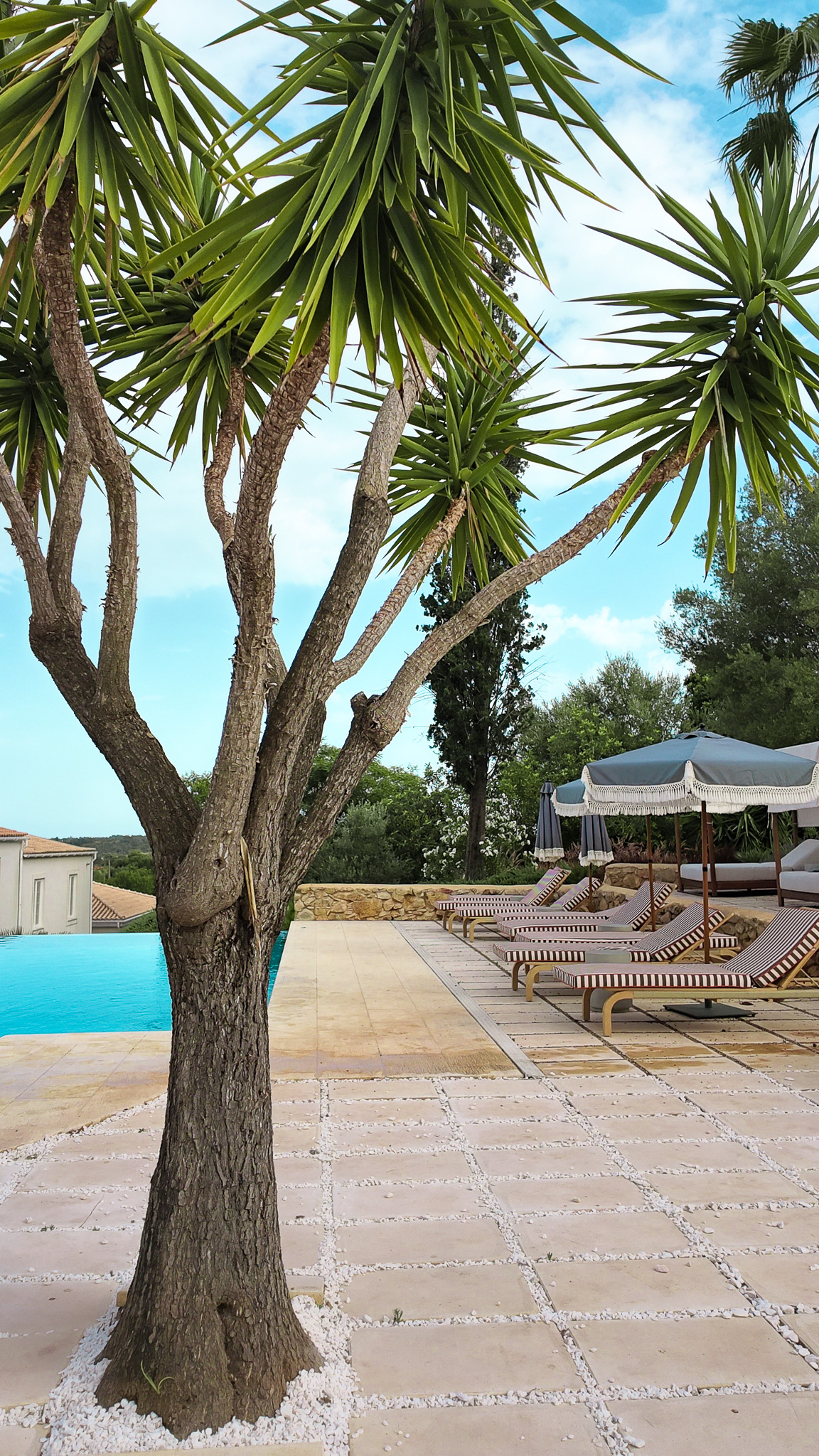
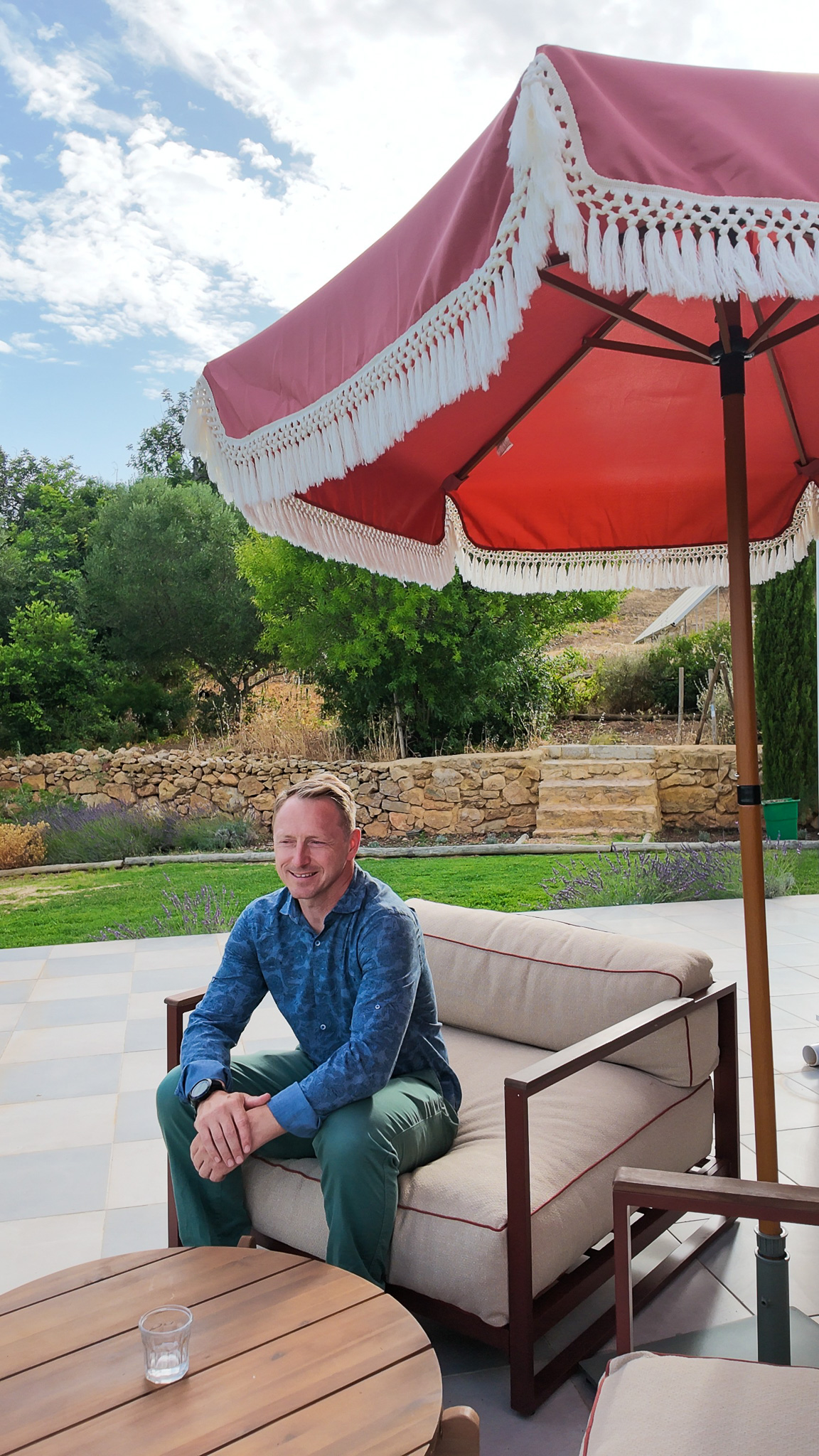
- Solar Alvura Farmhouse Hotel — A beautifully renovated farmhouse tucked among orange groves about 15–20 minutes from Tavira. Modern boho design, gorgeous pool, and a breakfast spread featuring fresh OJ from their own groves. The on-site restaurant is worth staying in for dinner. Great if you want quiet, space, and a retreat feel.
- Pousada Convento de Tavira — A former 16th-century convent right in the heart of Tavira. Historic architecture, beautiful courtyards, and the best possible location for exploring the old town on foot.
- AP Maria Nova Lounge — Resort-style amenities, walkable to Tavira’s center, and genuinely stunning rooftop views over the city.
- Pure Formosa Concept Hotel (Olhão) — A modern boutique hotel with a rooftop pool, steps from the waterfront market and marina. The pick if you’d rather base yourself in Olhão.

What to See & Do
In Tavira
🏘️ Wander the Old Town
Allow: 2+ hours
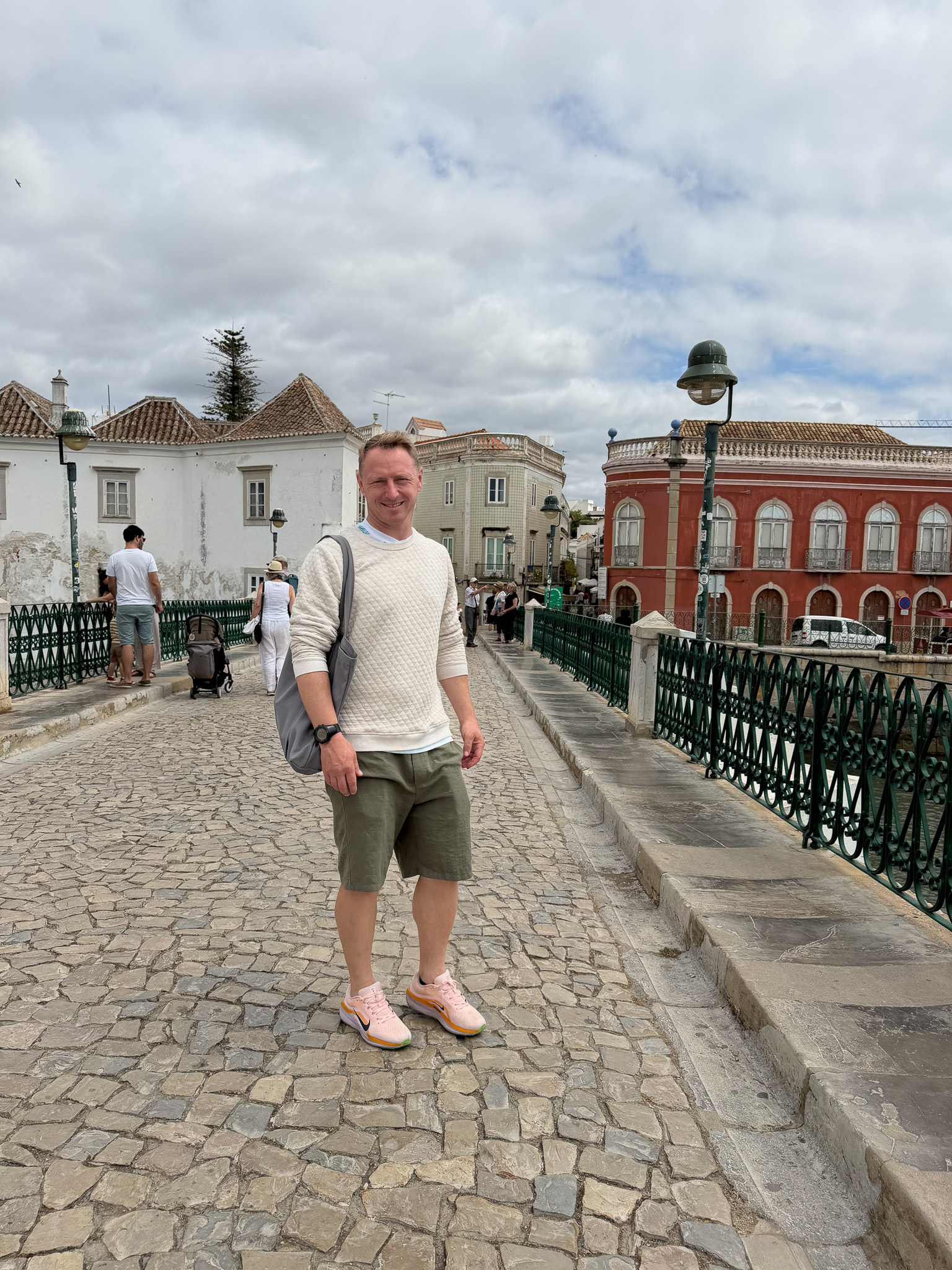
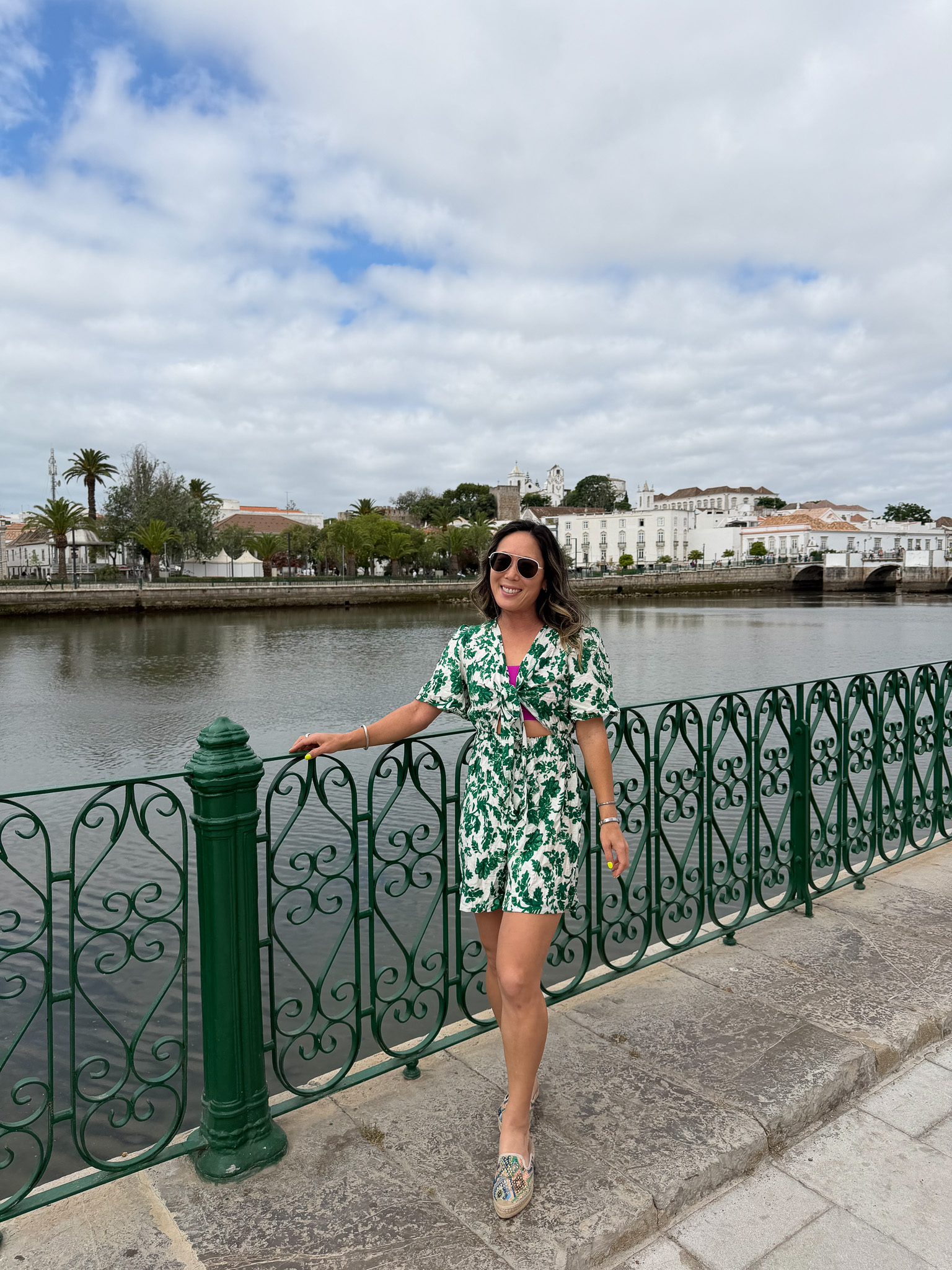
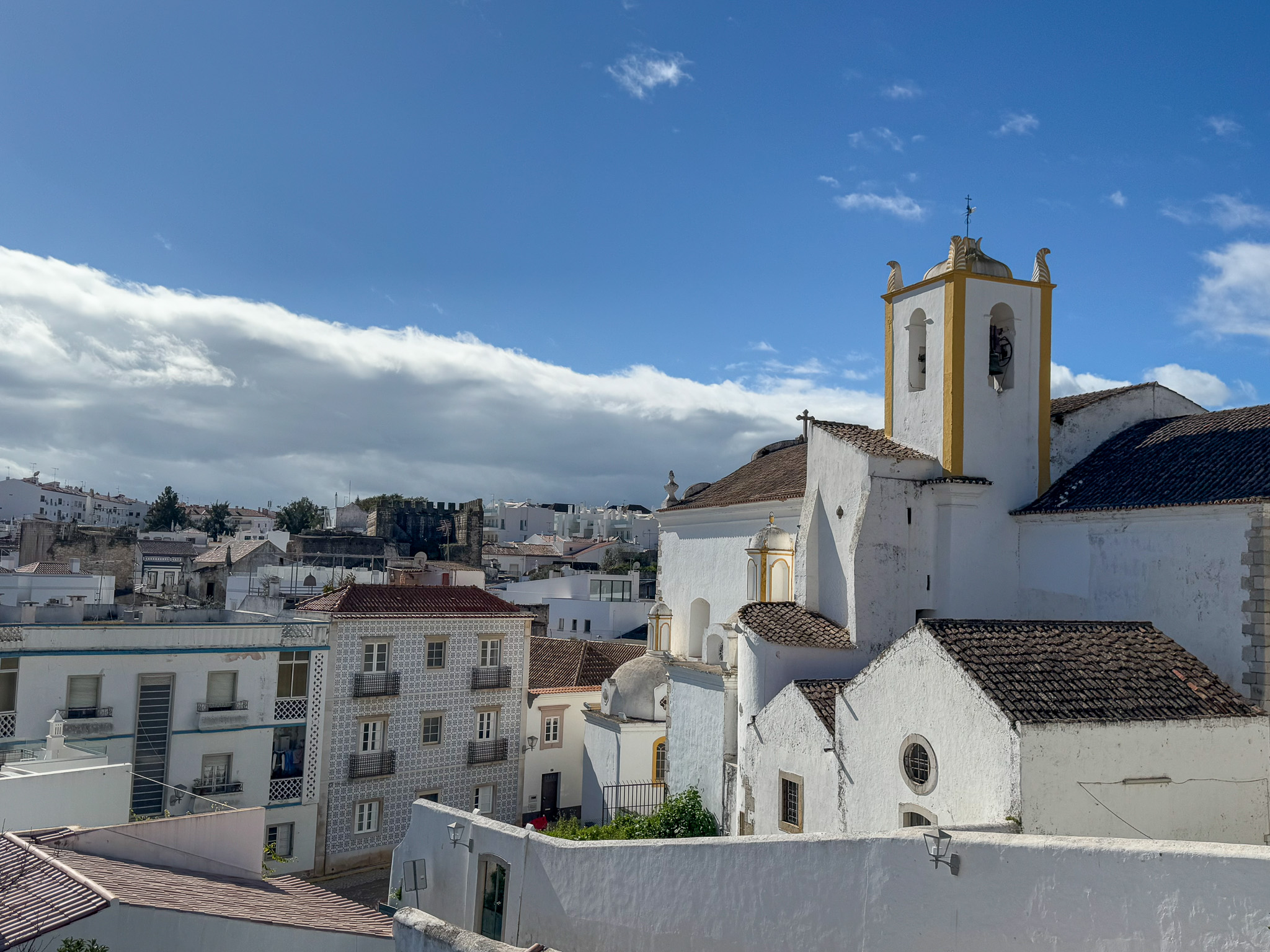
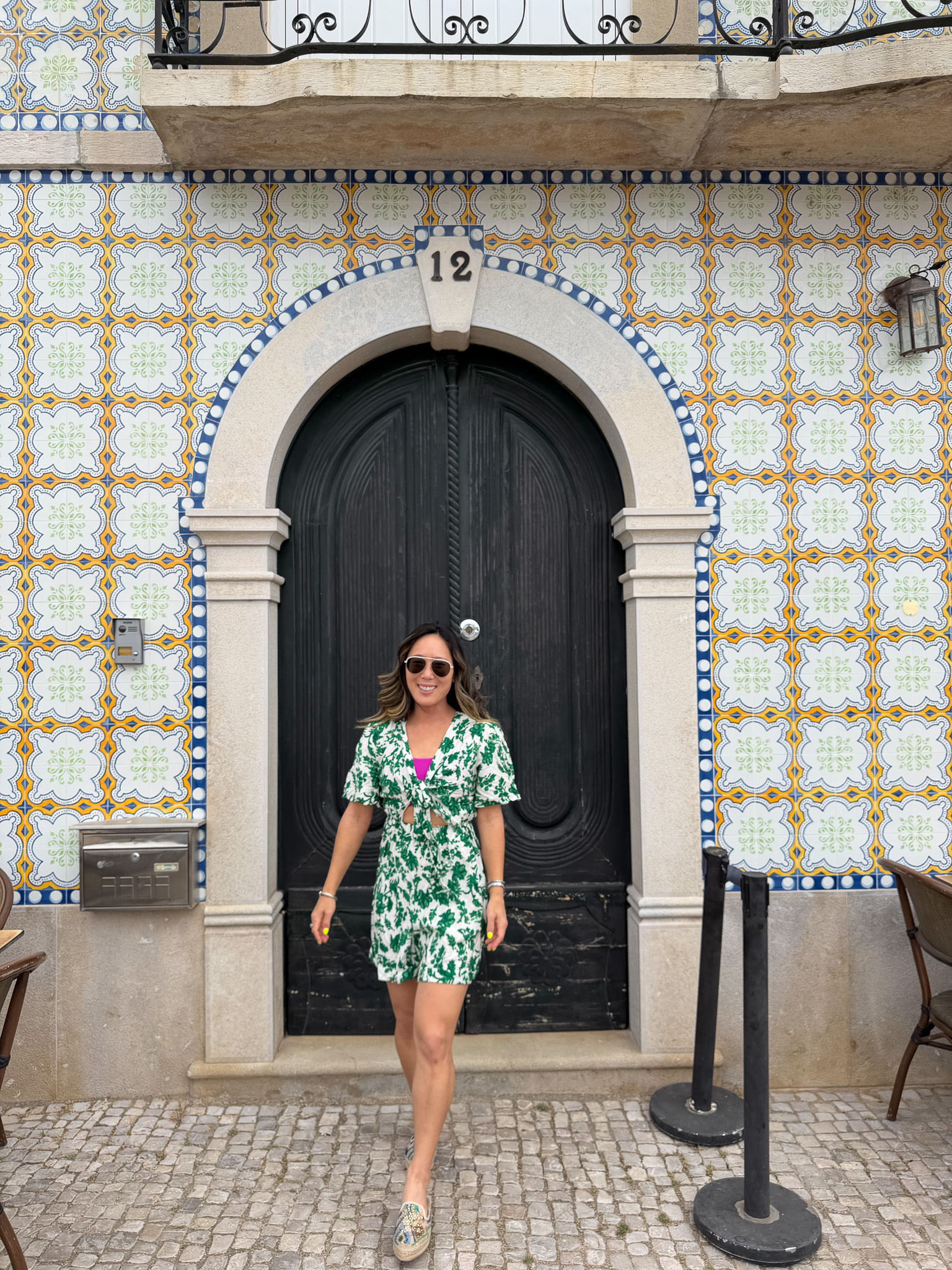
Tavira is one of the Eastern Algarve’s real hidden gems — often called the Queen of the Eastern Algarve, and the old town earns it. The town sits along the Gilão River with cobblestone streets, elaborate tiled facades, and a quiet, unhurried atmosphere that’s increasingly rare. It’s the kind of place where you wander with no particular agenda and keep turning corners onto something lovely.
Don’t miss:
- The Roman Bridge (technically much of it is medieval, but the name stuck)
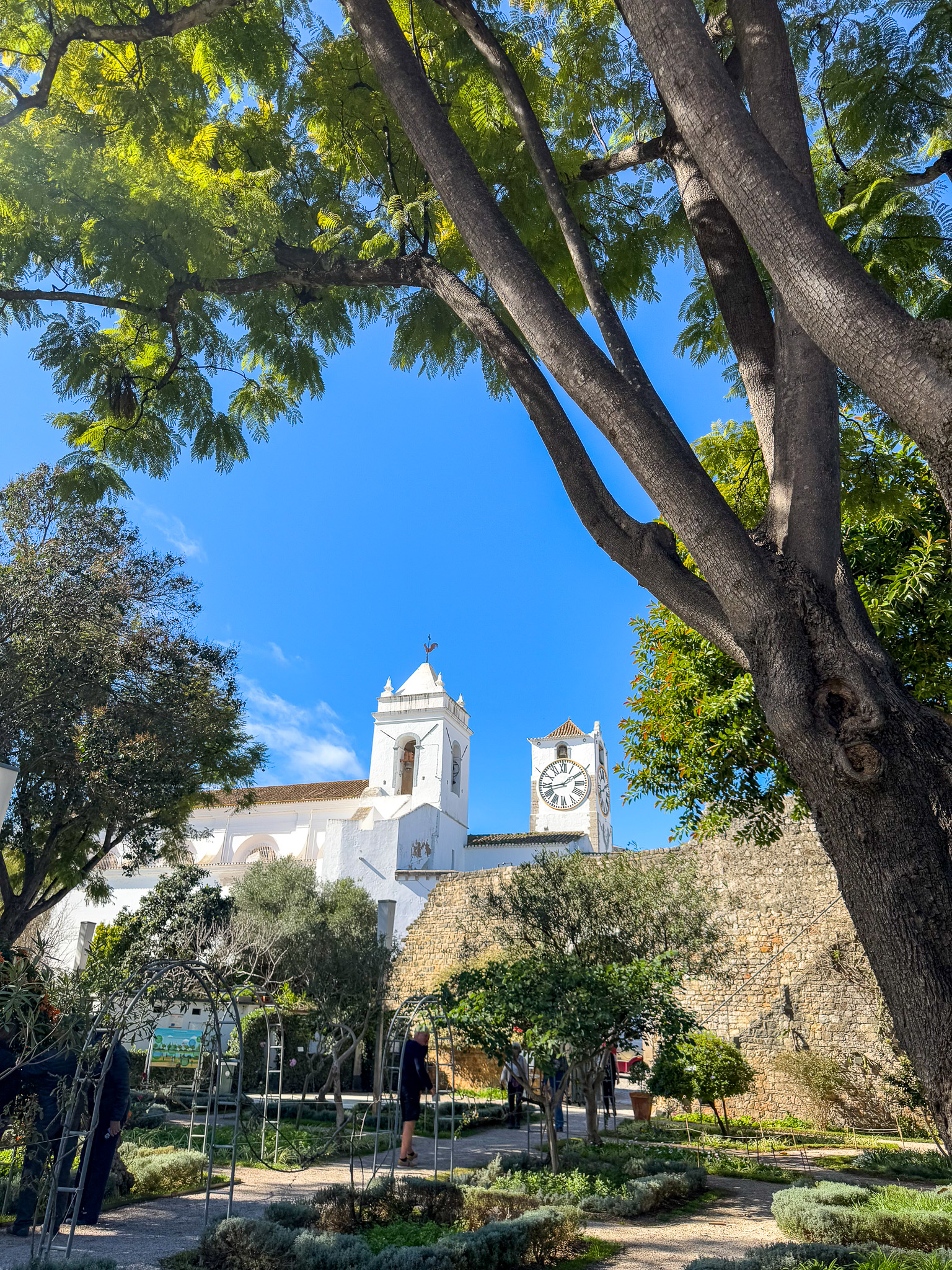
- Tavira Castle and the castle gardens
- The quiet side streets away from the main drag
- A riverside drink as the afternoon slows down
🫒 Monterosa Olive Oil Estate
Allow: 1–2 hours (if you book a tour or tasting)
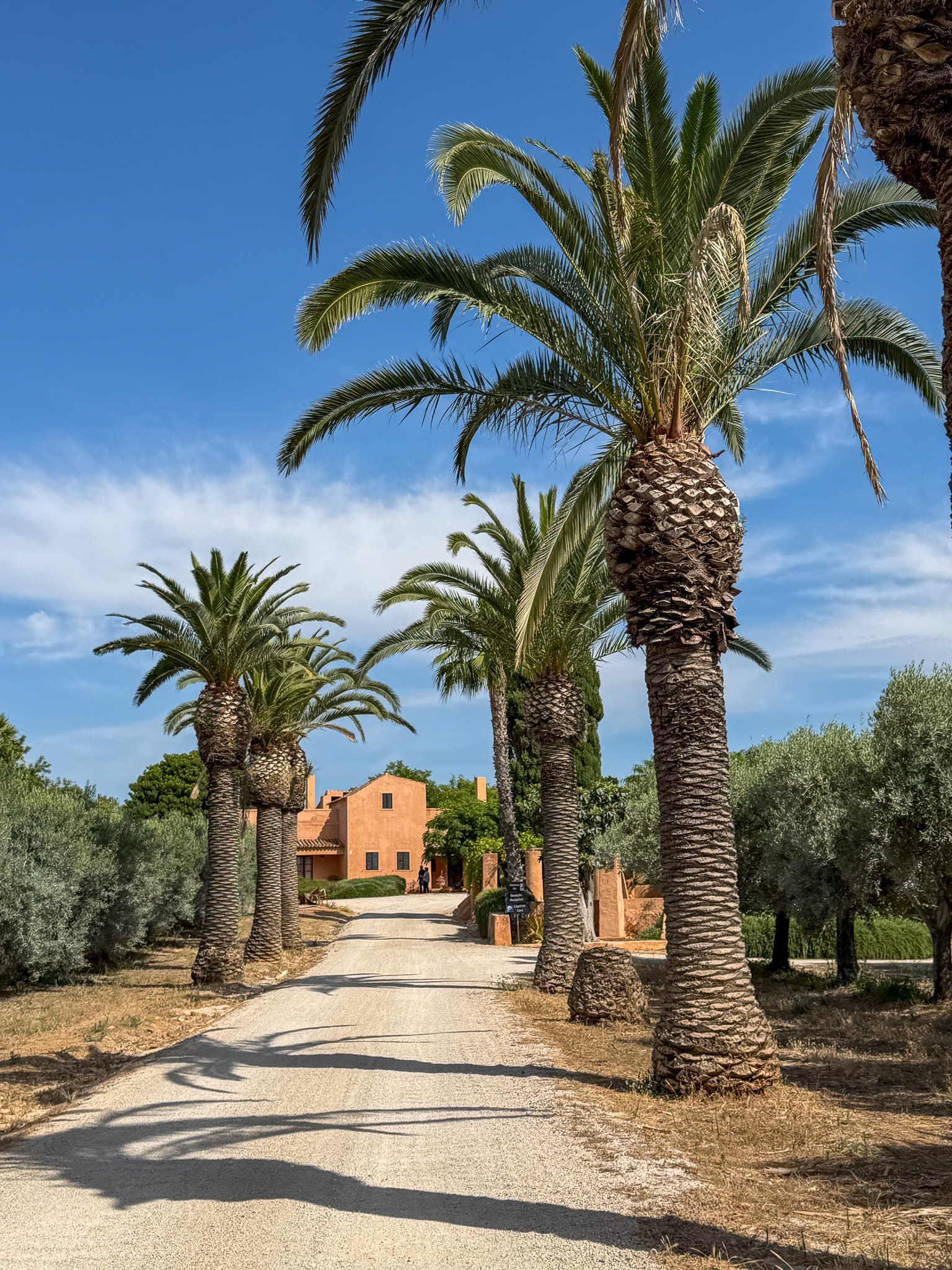
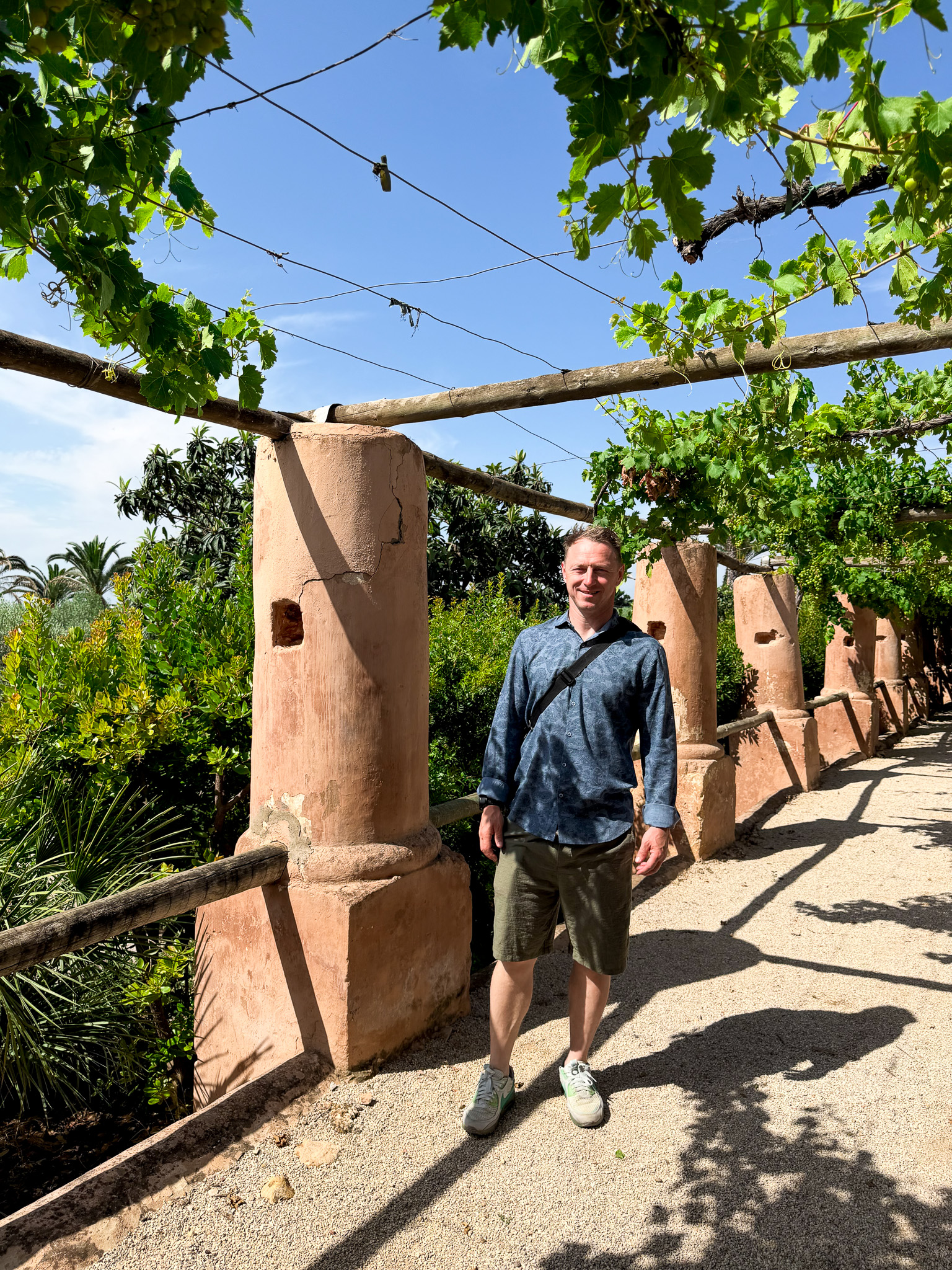
We stopped in at Monterosa on an impromptu visit and picked up some excellent olive oil — genuinely delicious — along with a bottle of pomegranate vinegar and a few other local goodies. The grounds alone are worth a look: beautiful olive tree groves lined by palm trees, and picturesque in that unhurried Algarve way.
Honest take: a casual drop-in is fine for a browse and a shop, but to really get the most out of a visit, book one of their guided tasting experiences or a picnic basket in advance.

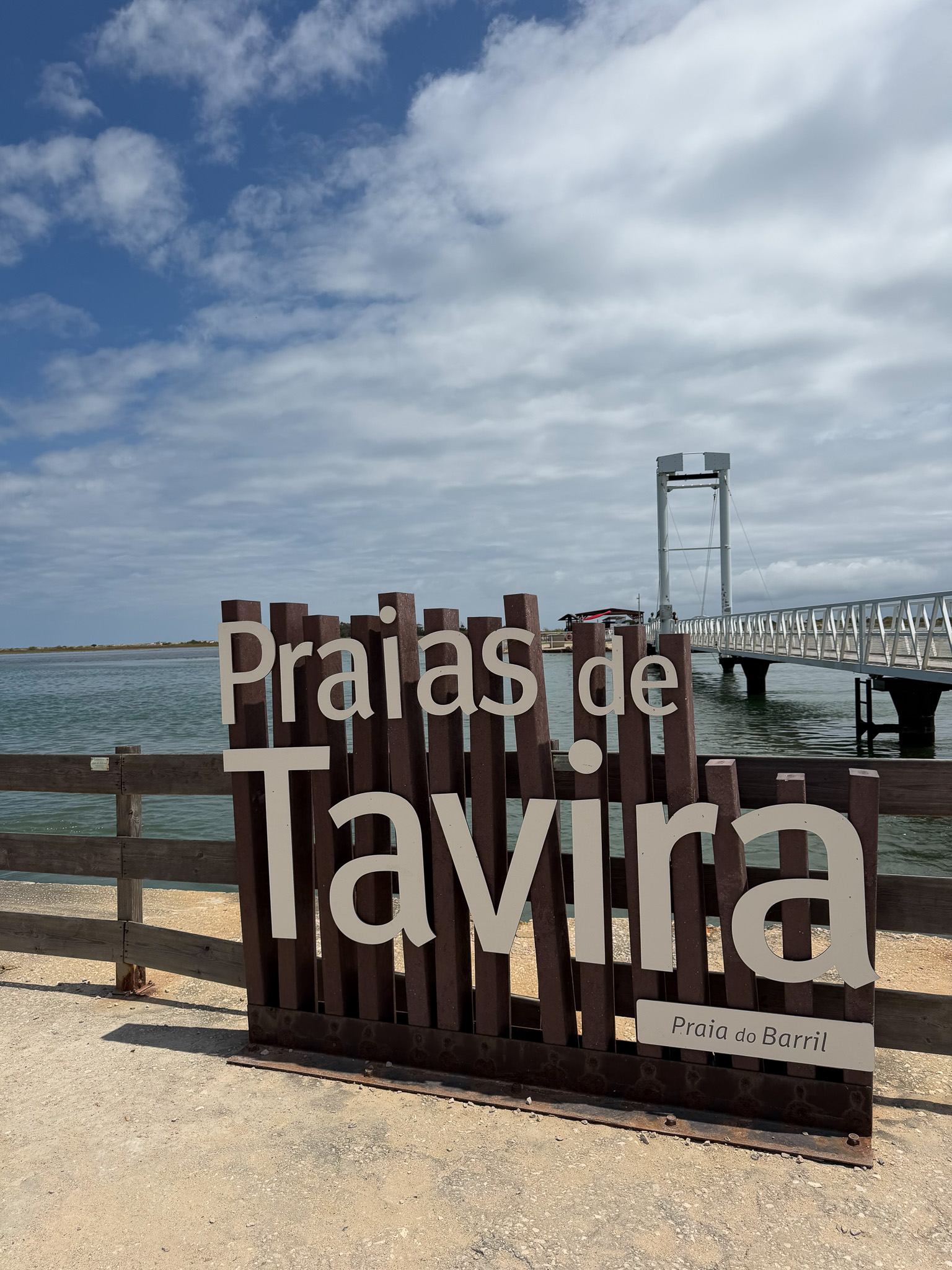
🚂 Praia do Barril — The Ultimate Beach Hideaway
Allow: Half a day
One of the best things we did the entire trip.
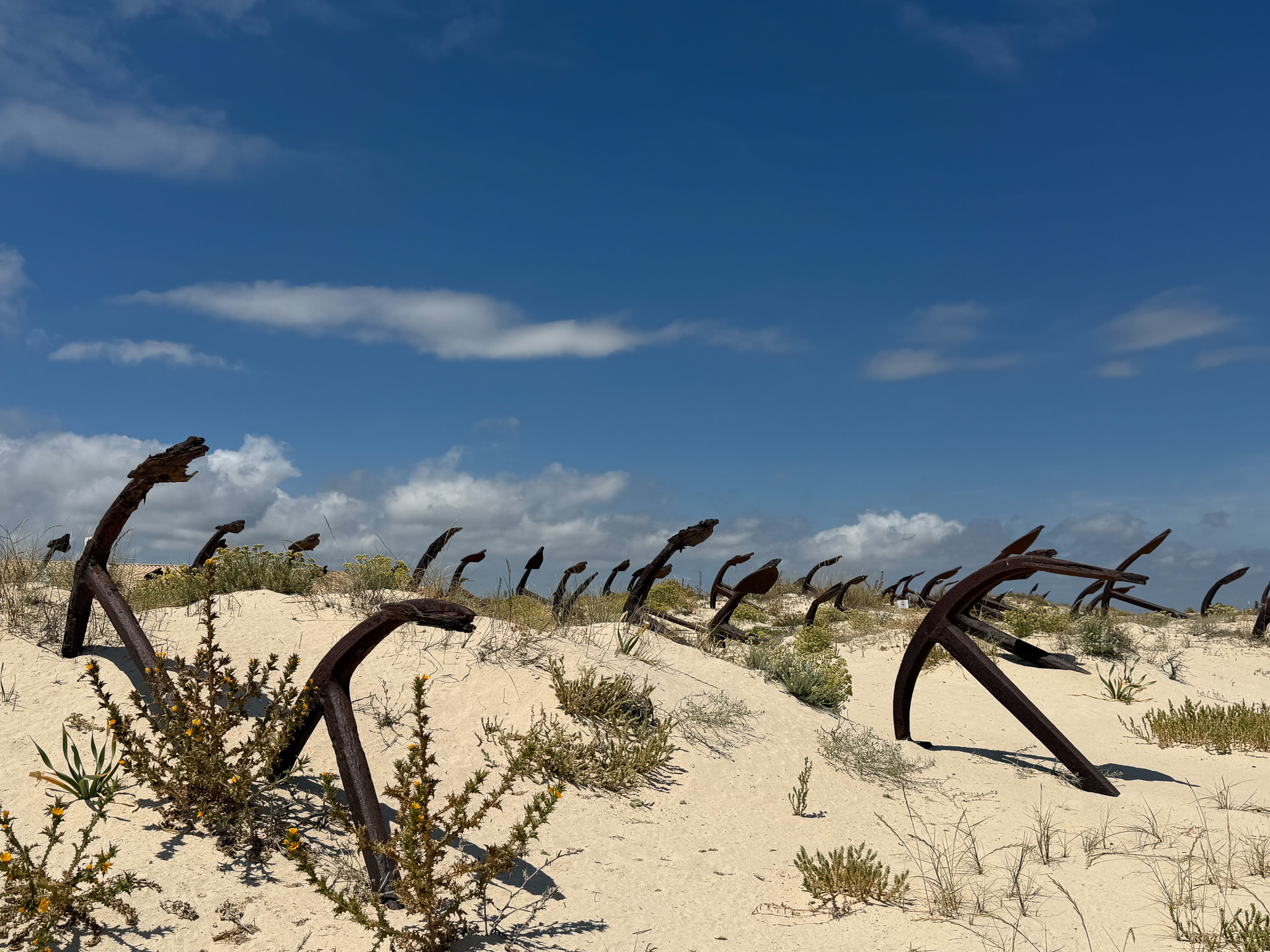
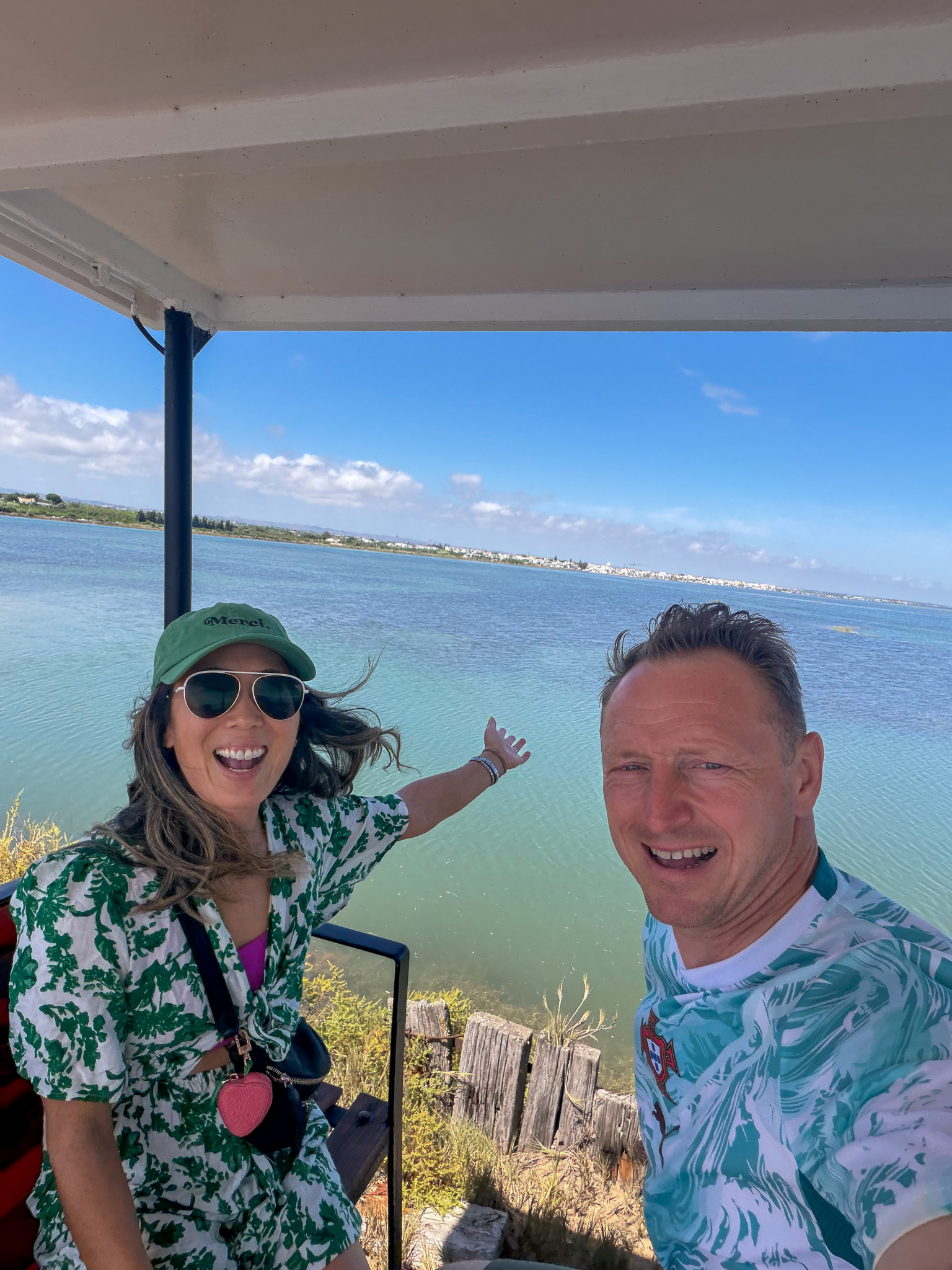
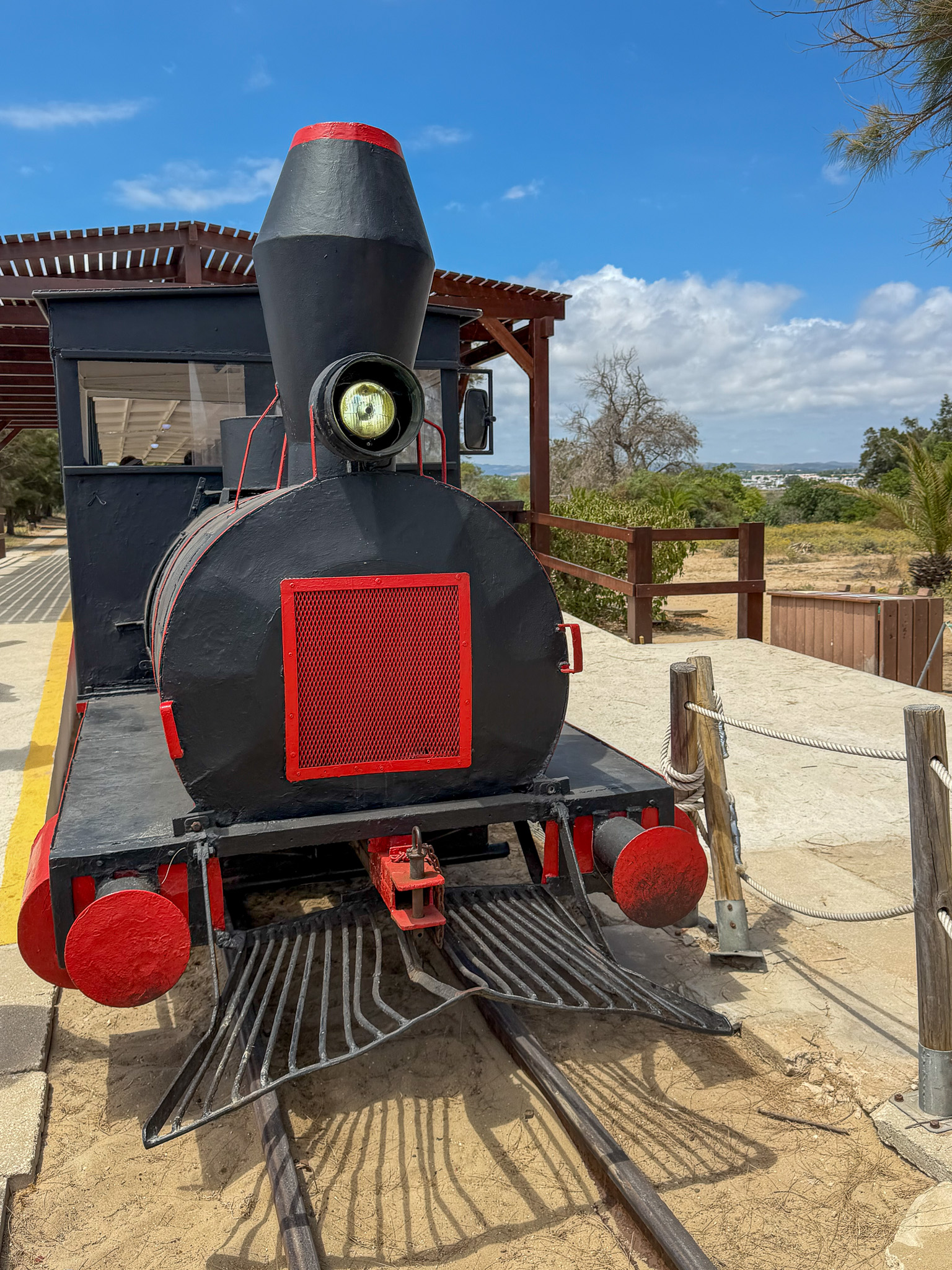
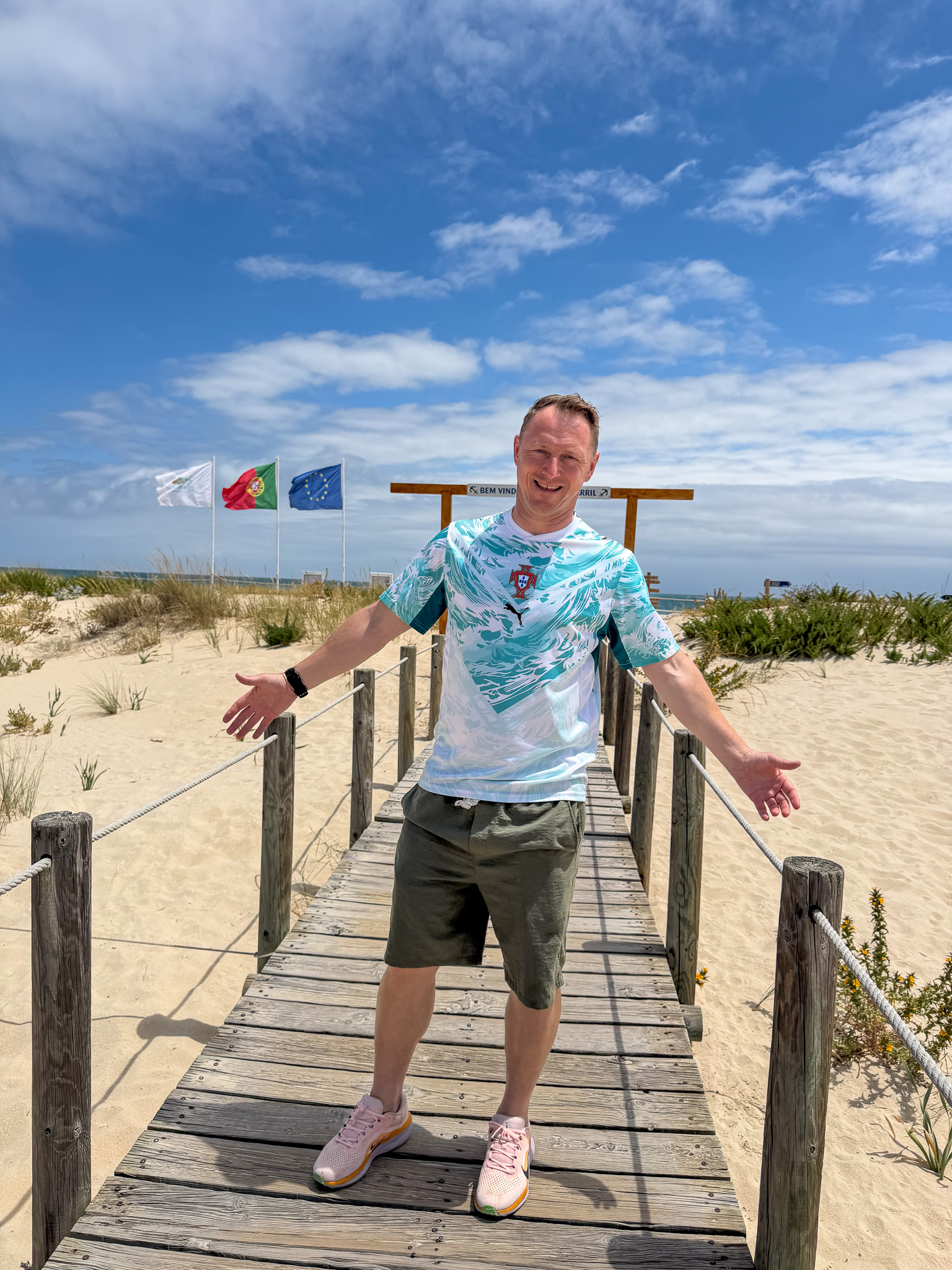
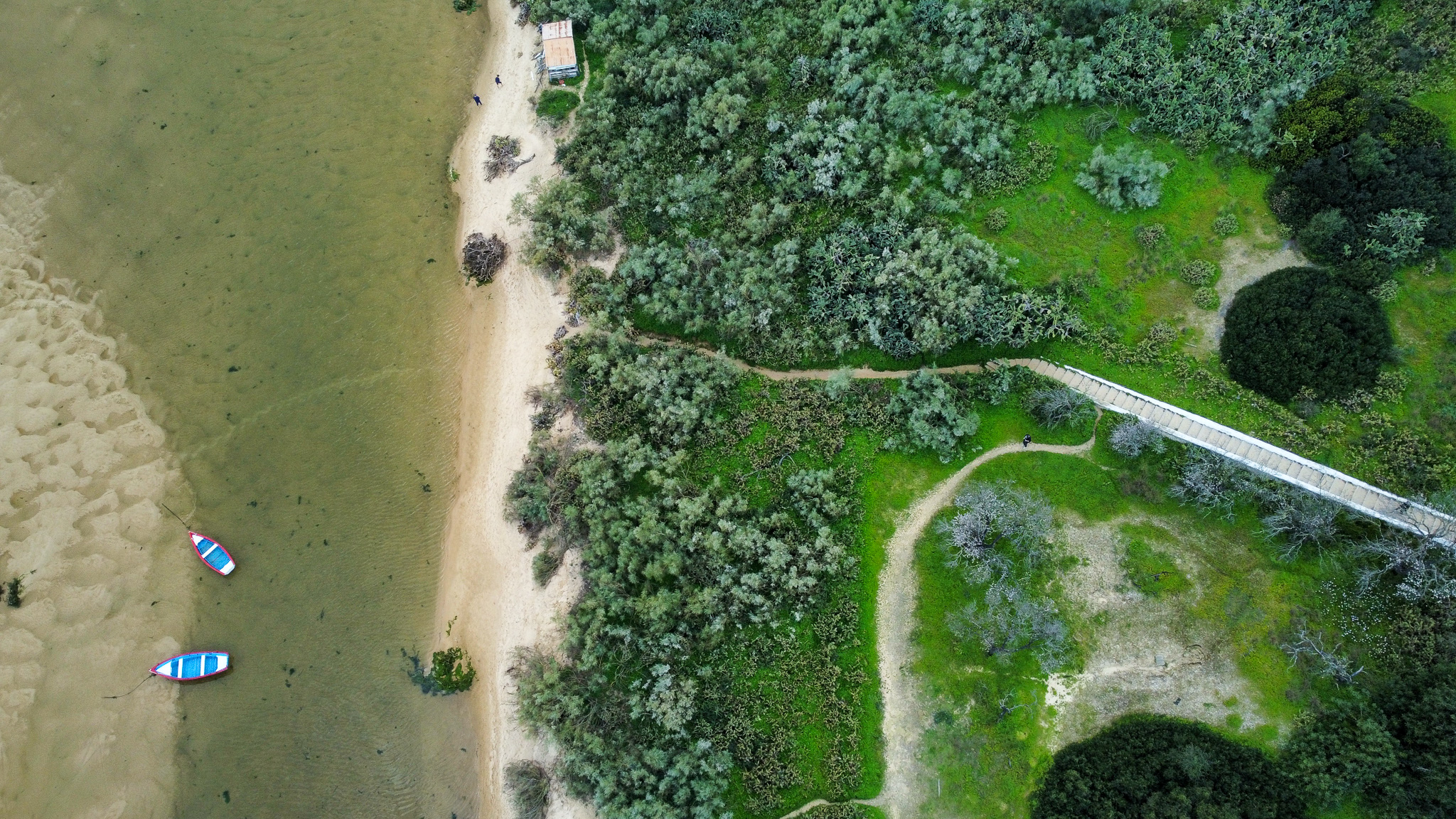
A tiny train carries visitors across the lagoon to Praia do Barril (you can also walk the path if you prefer) — and along the way, you pass the Anchor Cemetery, a striking installation of hundreds of rusted tuna fishing anchors left as a tribute to the region’s former tuna fishing industry. It’s eerie, beautiful, and unlike anything else in the Algarve.
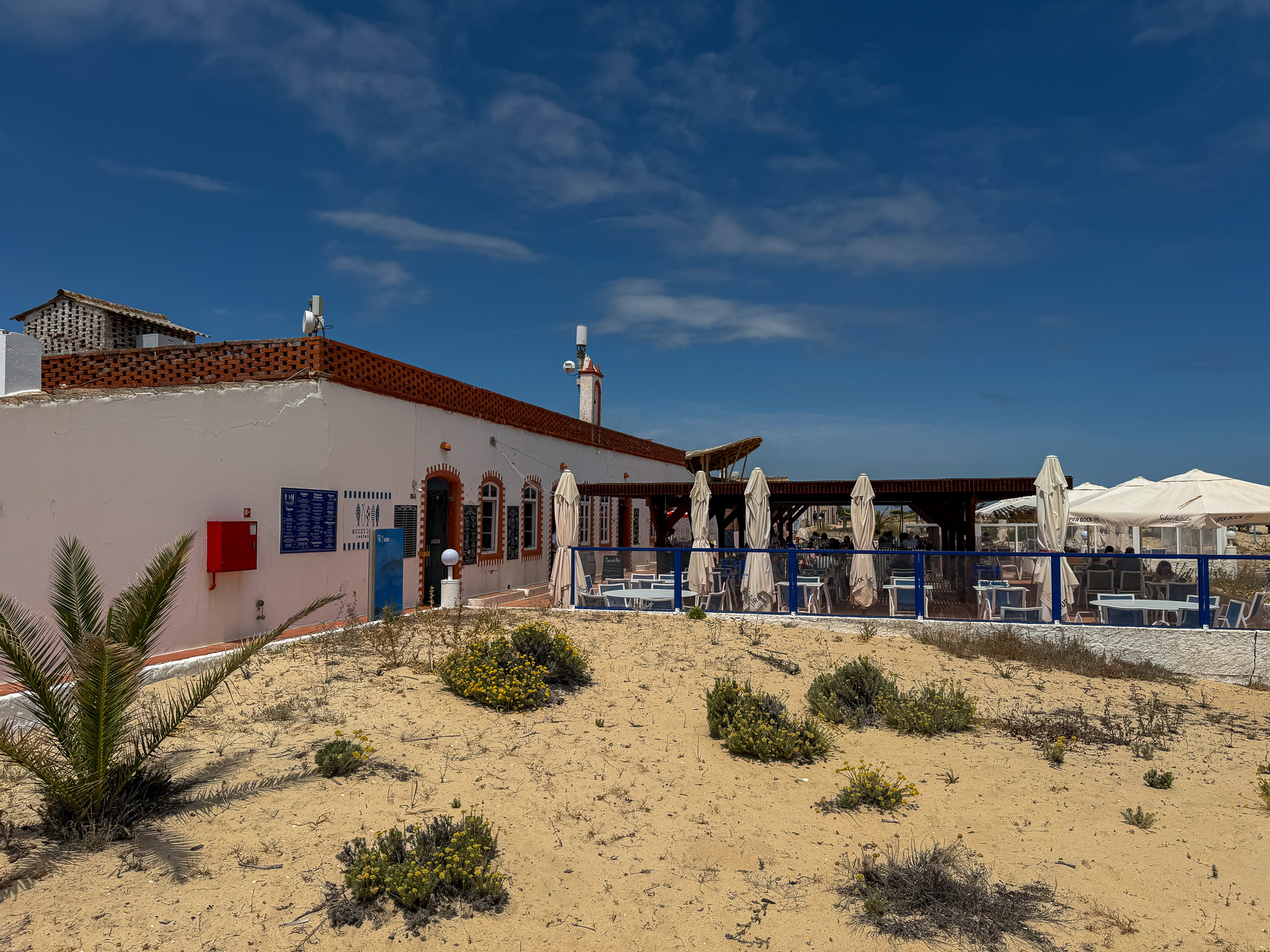
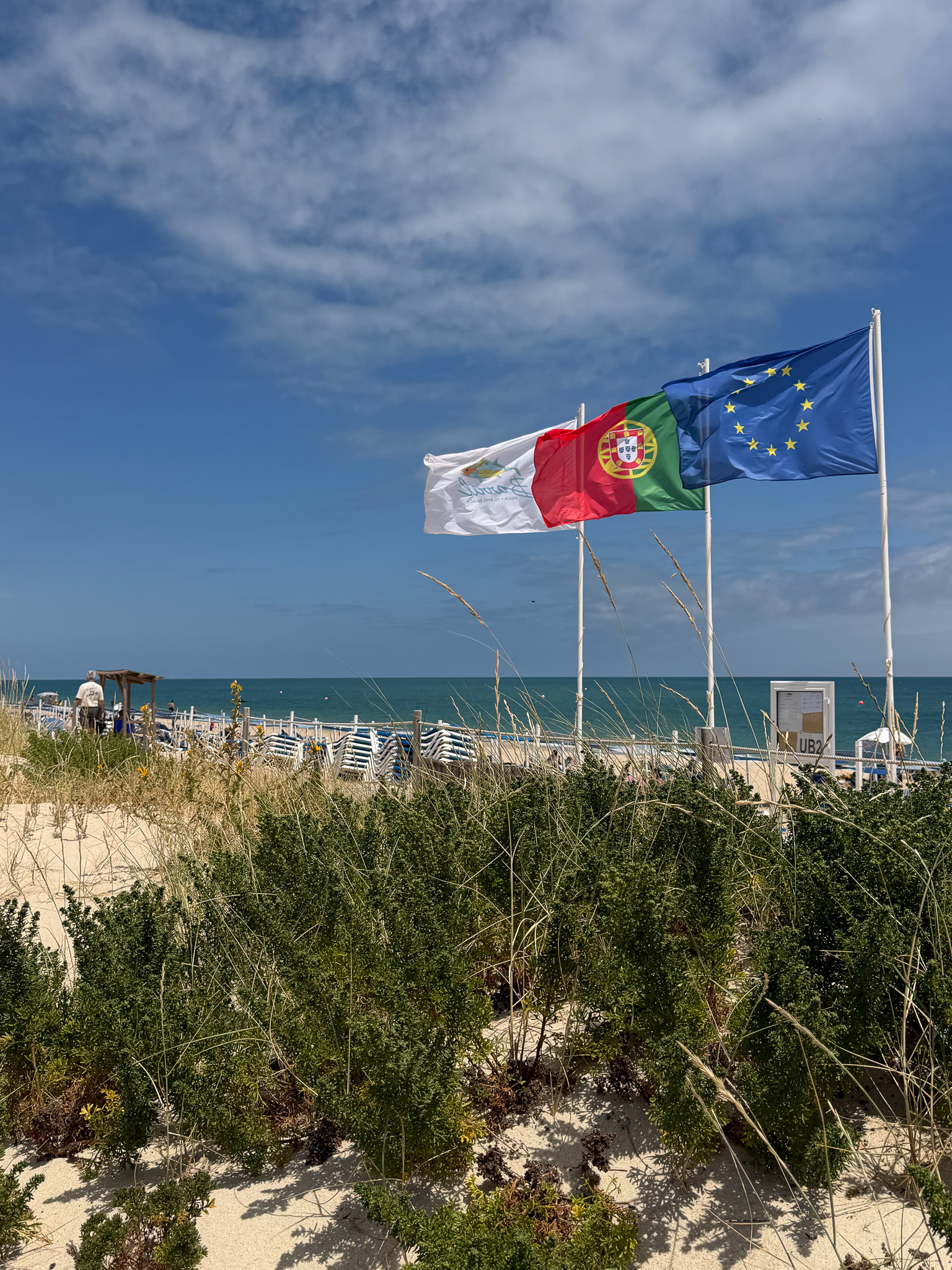
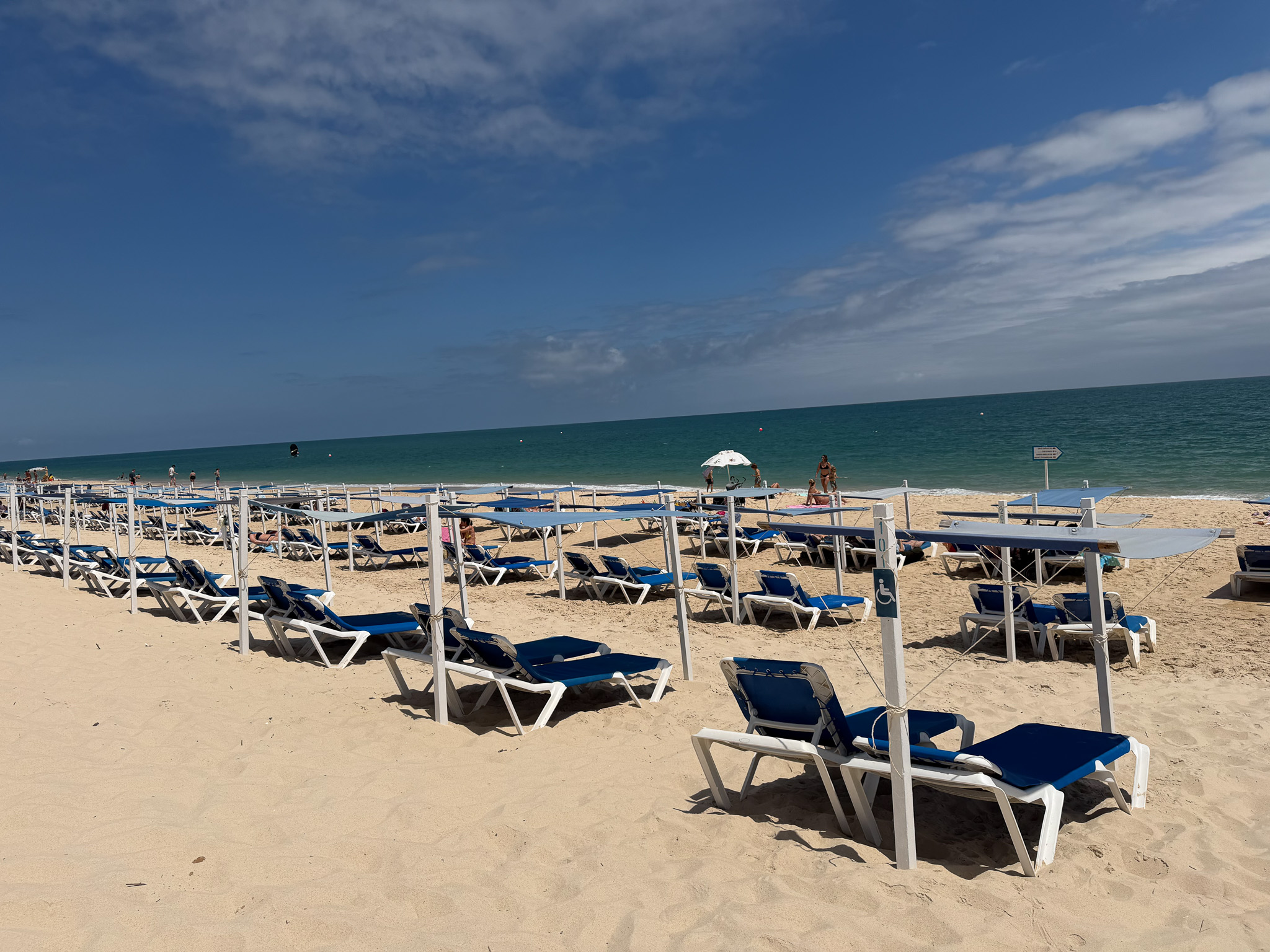
The beach itself delivered everything we hoped for: peaceful, not crowded, and exactly the kind of unhurried beach day you picture when you imagine the Algarve without the crowds. We grabbed two daybeds with a sunshade for €22 for the day — solid value. There’s also a cute cluster of restaurants right at the beach if you want to make a full afternoon of it.
🎟️ Train fare: €8 roundtrip. You can pay by card or cash at the station.
In Olhão
🐟 Waterfront Market
Allow: 1 hour
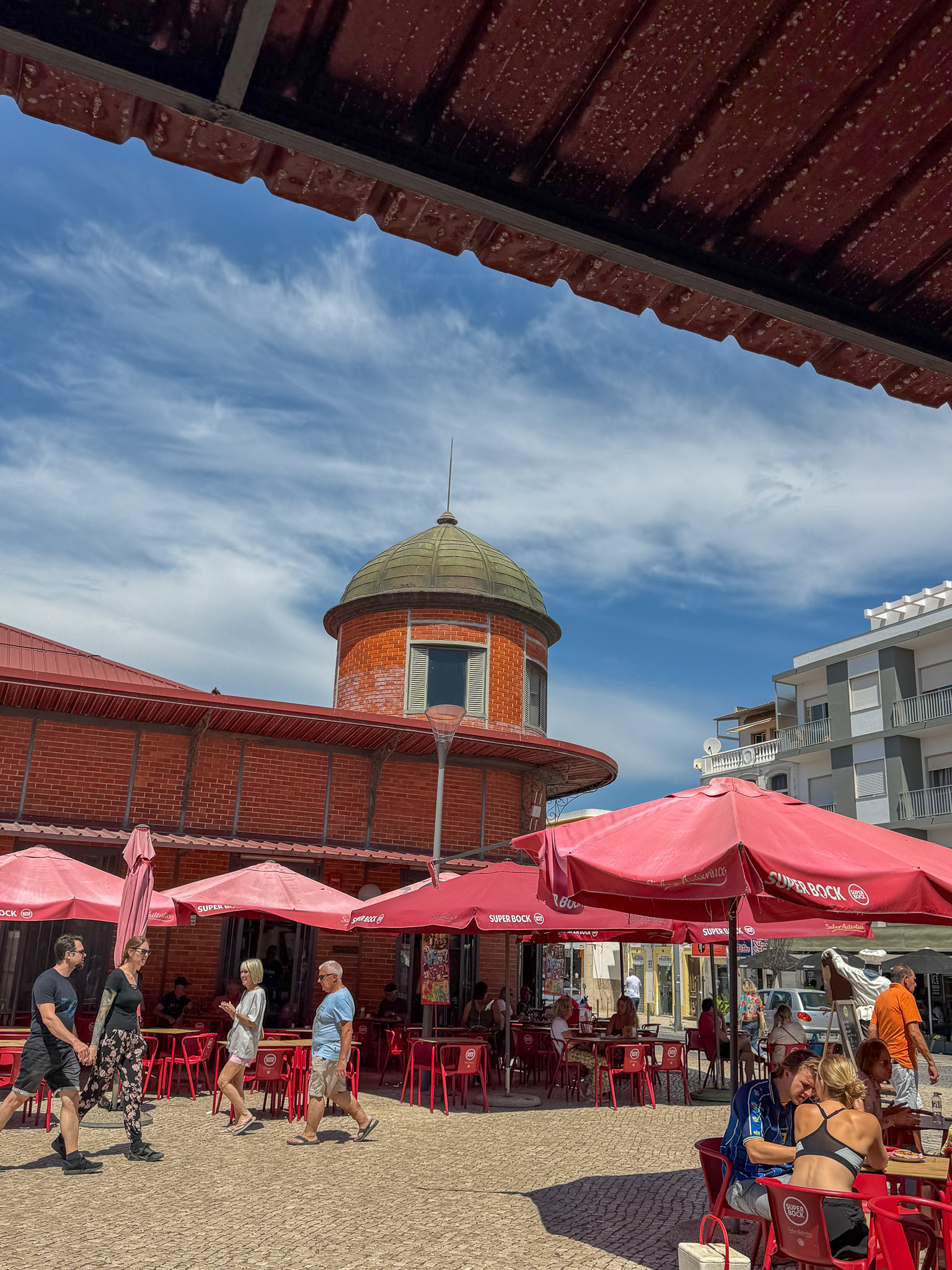
Olhão’s market dates back to 1916 and was built deliberately beside the harbor so fishermen could bring their catch straight from the boats to the stalls. That original logic still shapes the whole experience.
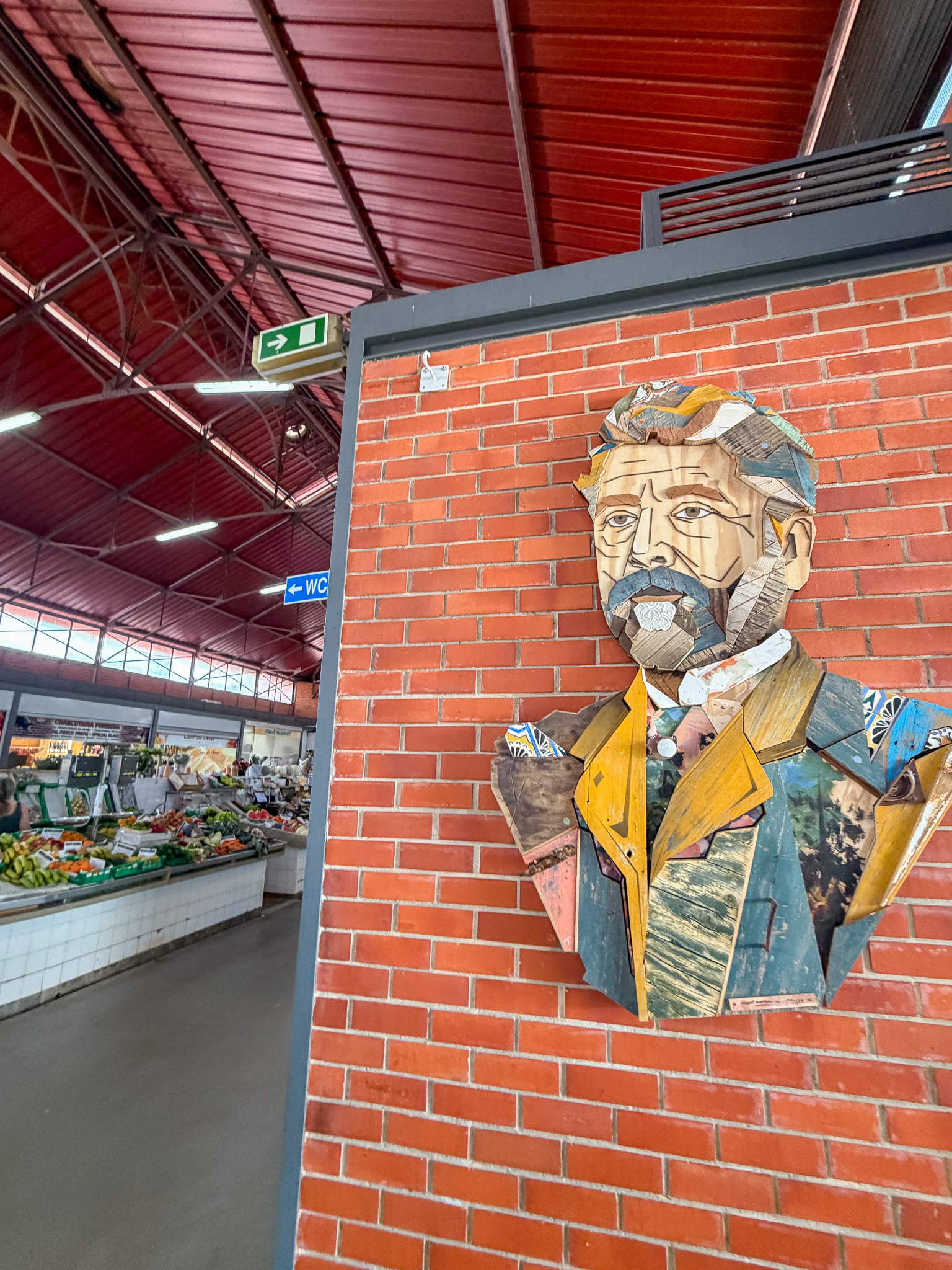
The market splits into two buildings — fresh fish and seafood in one, fruit, vegetables, and local products in the other. Even if you arrive after the morning rush, it’s worth the visit for the building and the atmosphere alone. We picked up some great local products here — it’s an ideal spot to stock up on things to bring home.
💶 Bring cash. Many market stalls are cash-only. There are ATMs nearby if you need them.

⛵ Boat Tours Through the Ria Formosa
Allow: 2–3 hours
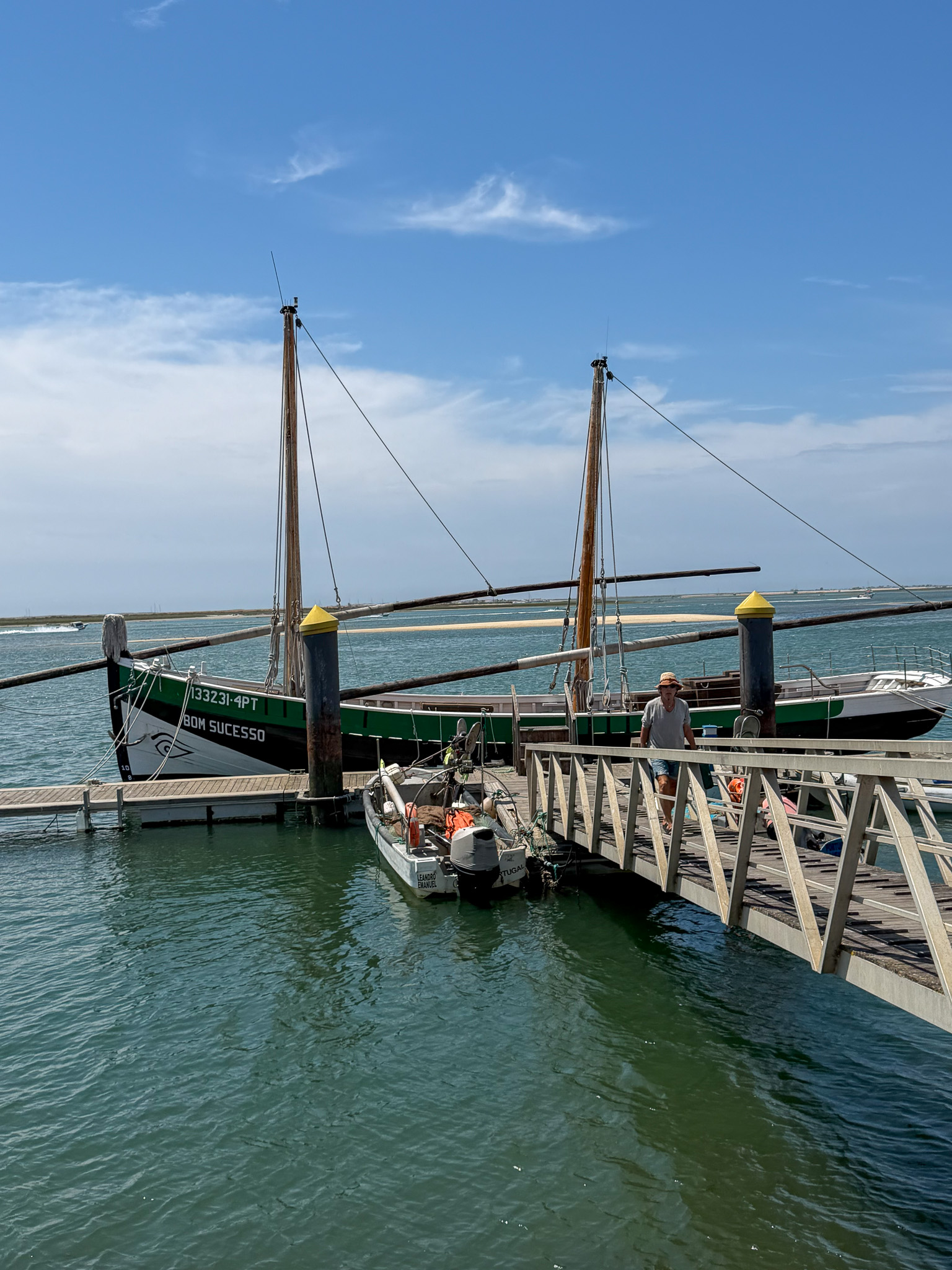
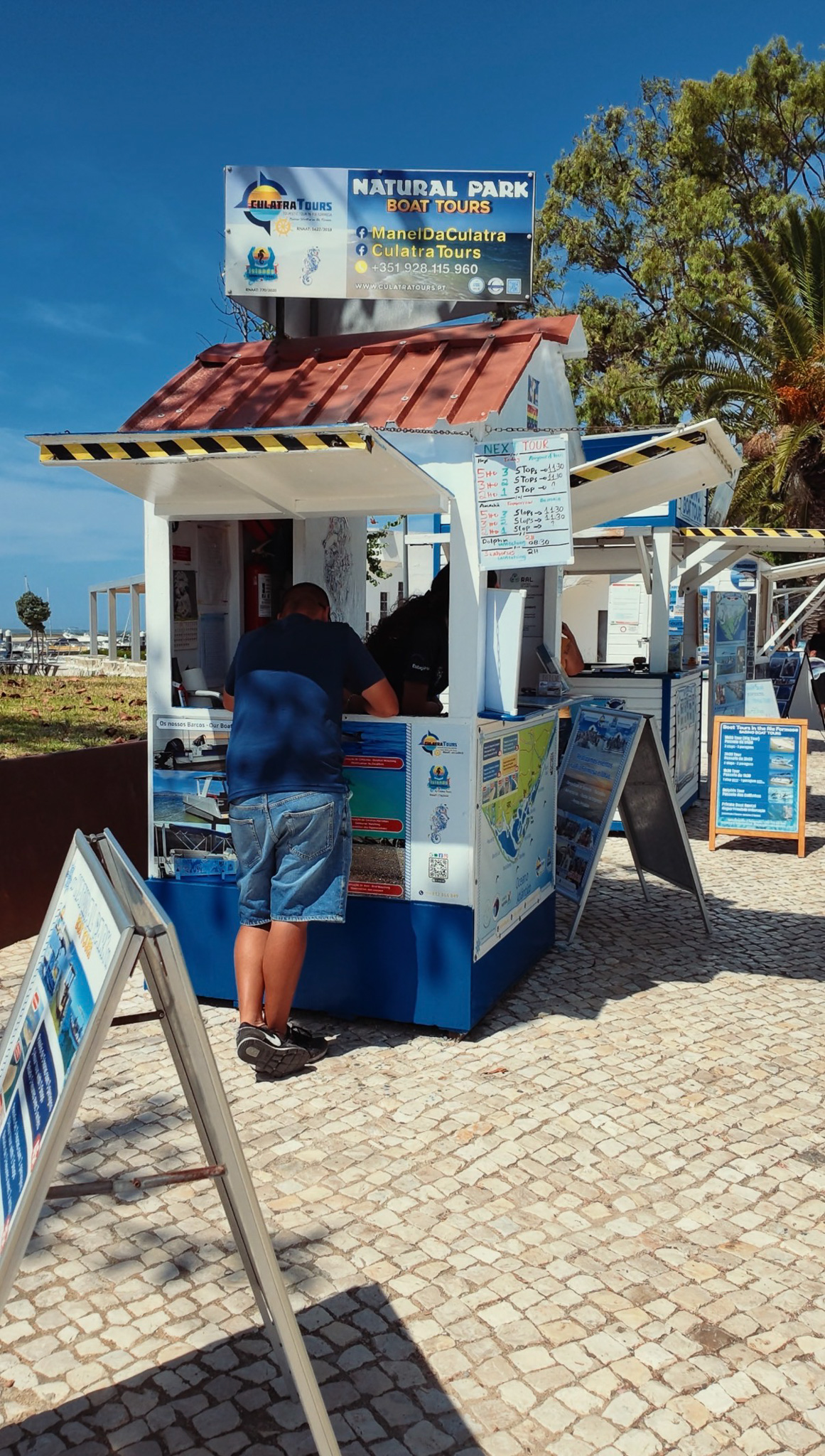
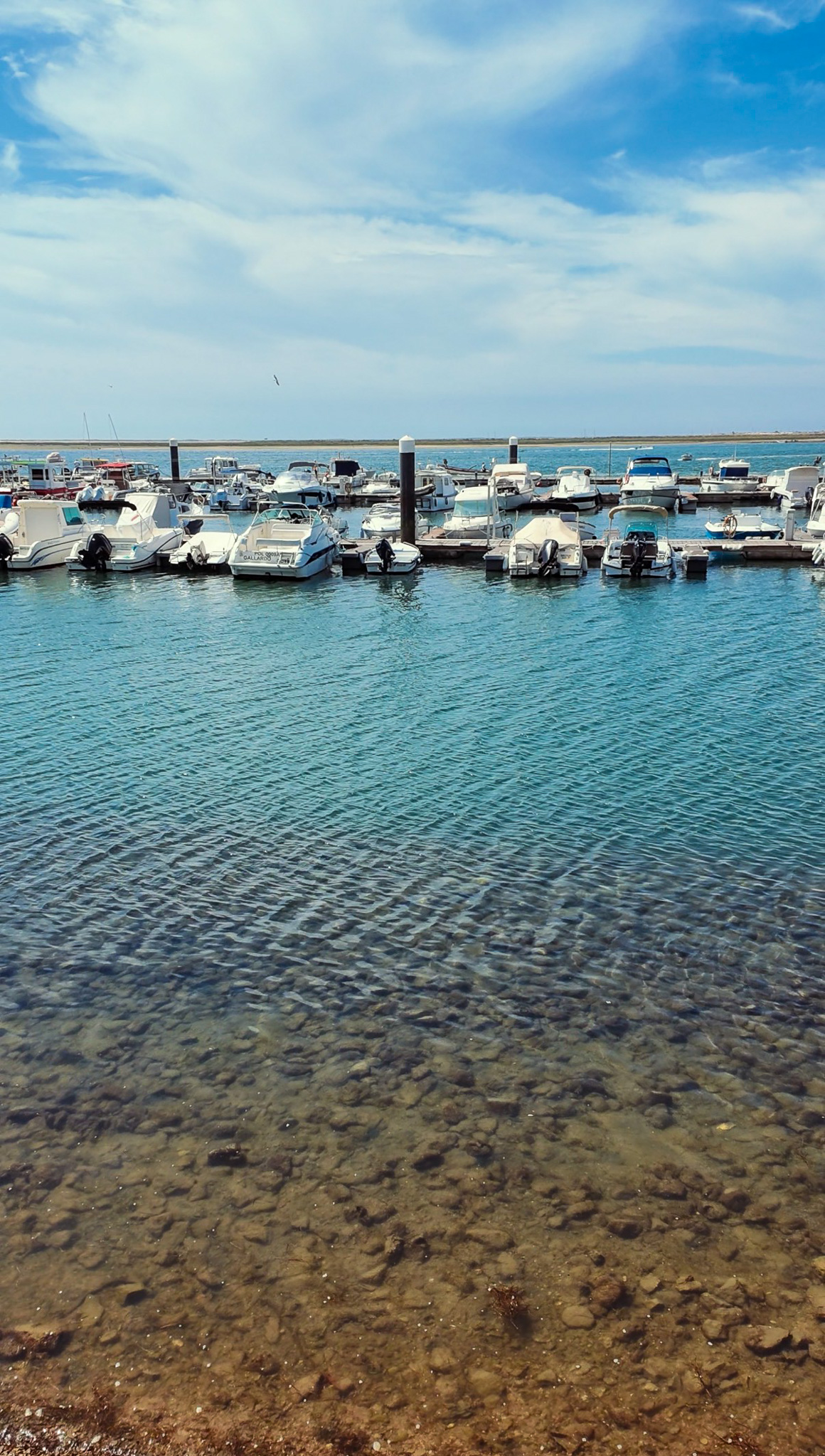
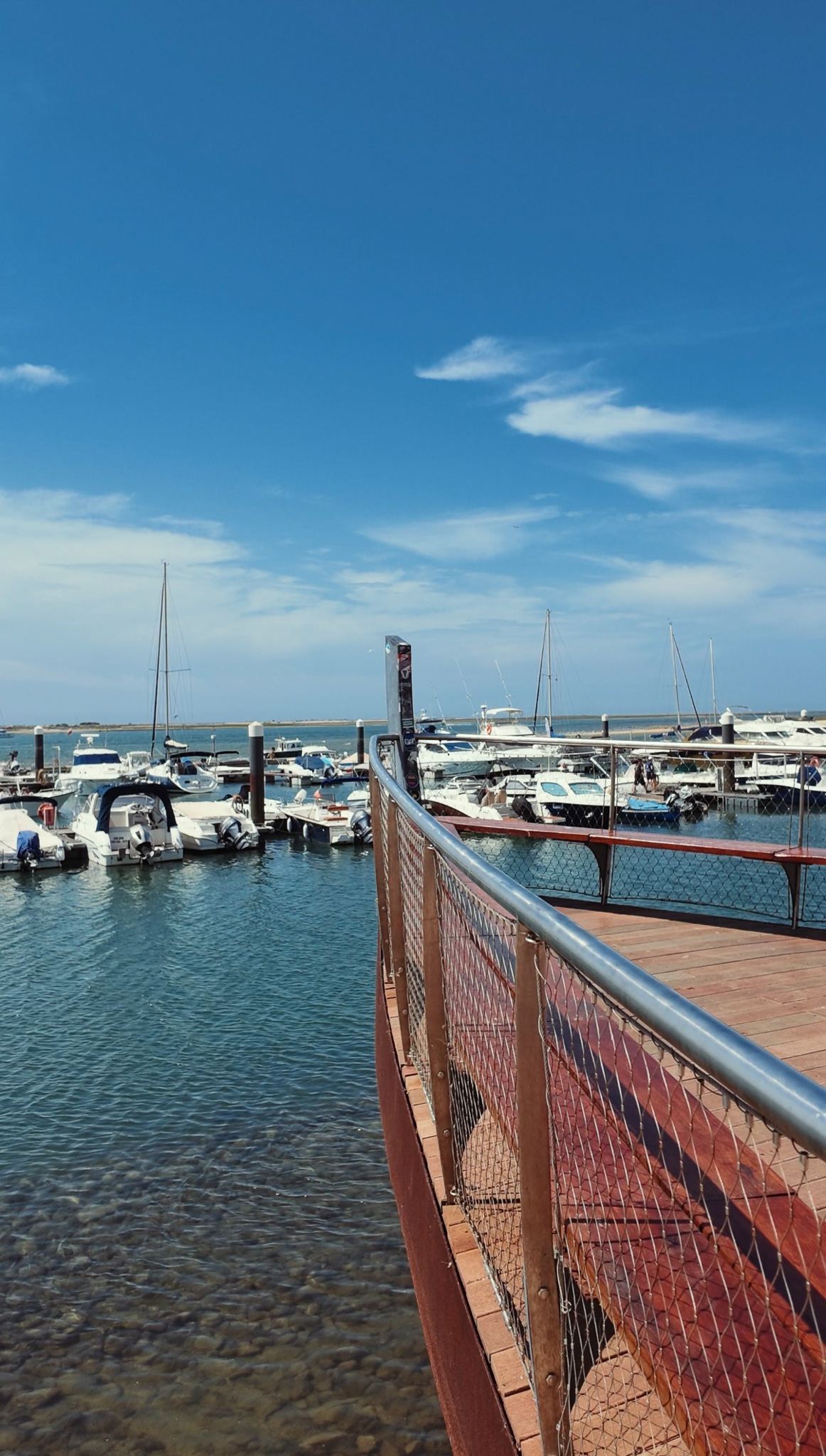
The boat tours that depart from the Olhão marina are one of the best ways to experience the natural park — gliding through the lagoons, spotting wildlife, and getting out to the barrier islands. This is at the top of our list for a return visit. Check the marina when you arrive for schedules and options.
🧂 Salina do Grelha
Allow: 30–45 minutes
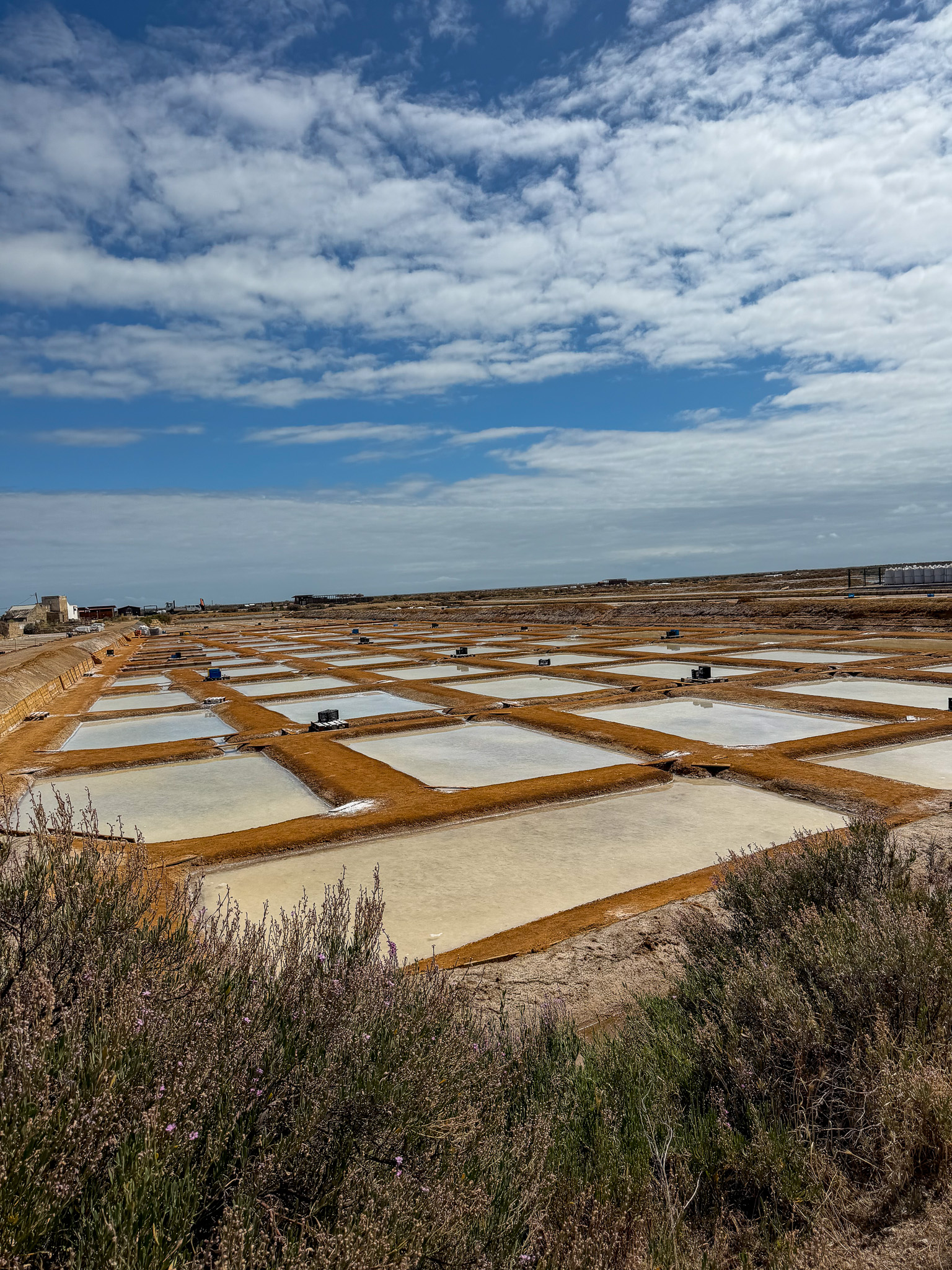
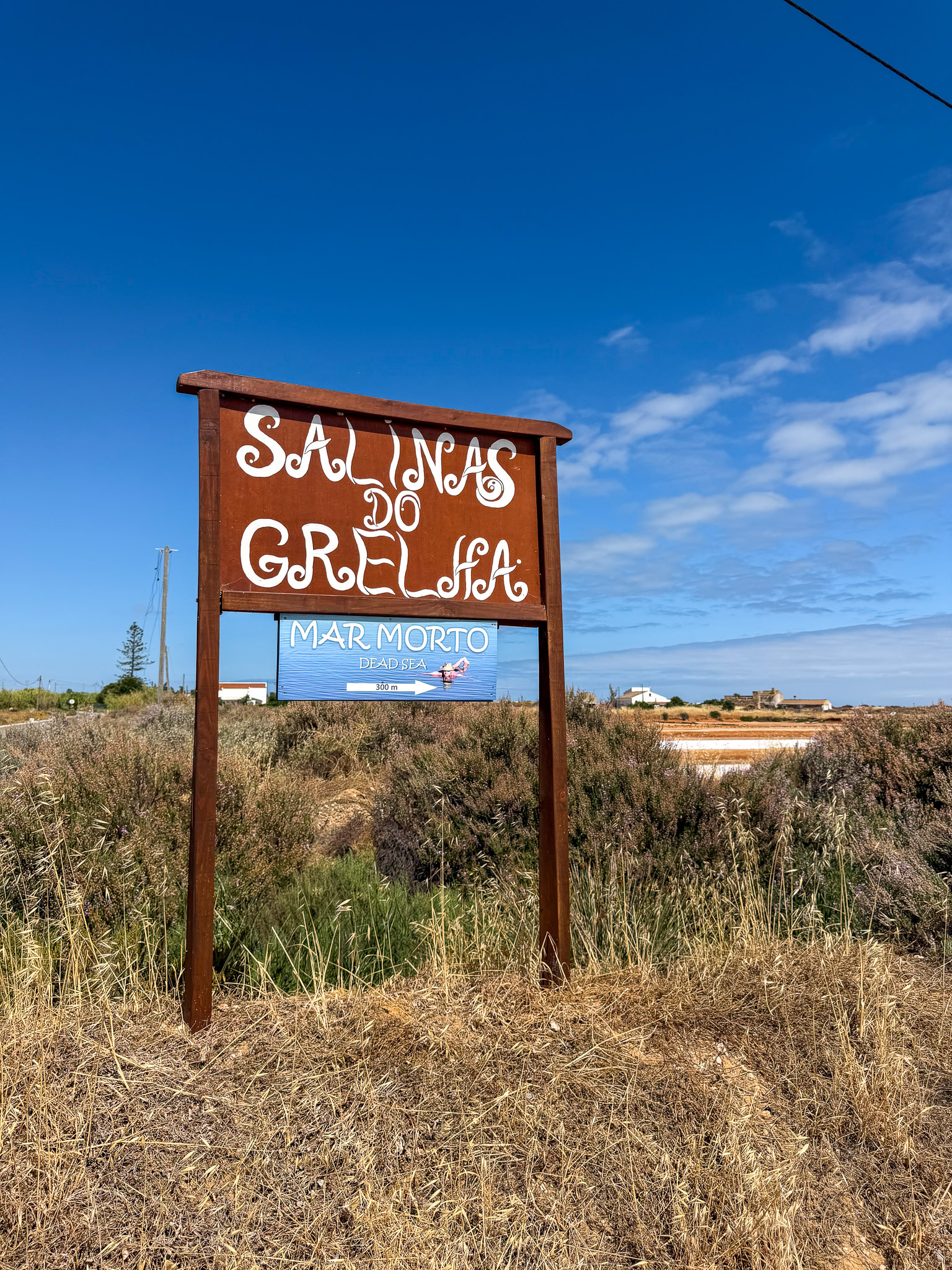
We stopped by this working salt production facility and found it closed the day we visited — but it was still worth the detour just to take in the salt pans and the landscape. From what we’ve heard, when it is open you can do a proper tour, spot flamingos in the surrounding wetlands, and there’s apparently even the option to float in them. Worth looking into and planning ahead for.
In Santa Luzia
🐙 Walk the Waterfront & Have a Very Long Lunch
Allow: 2–3 hours
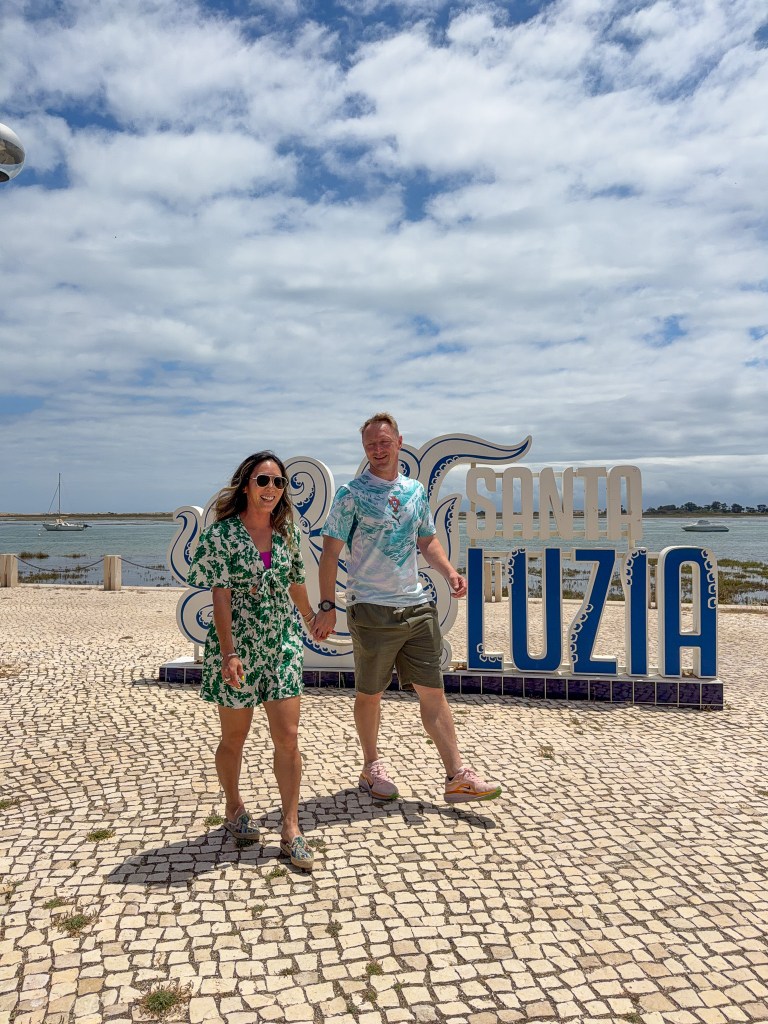
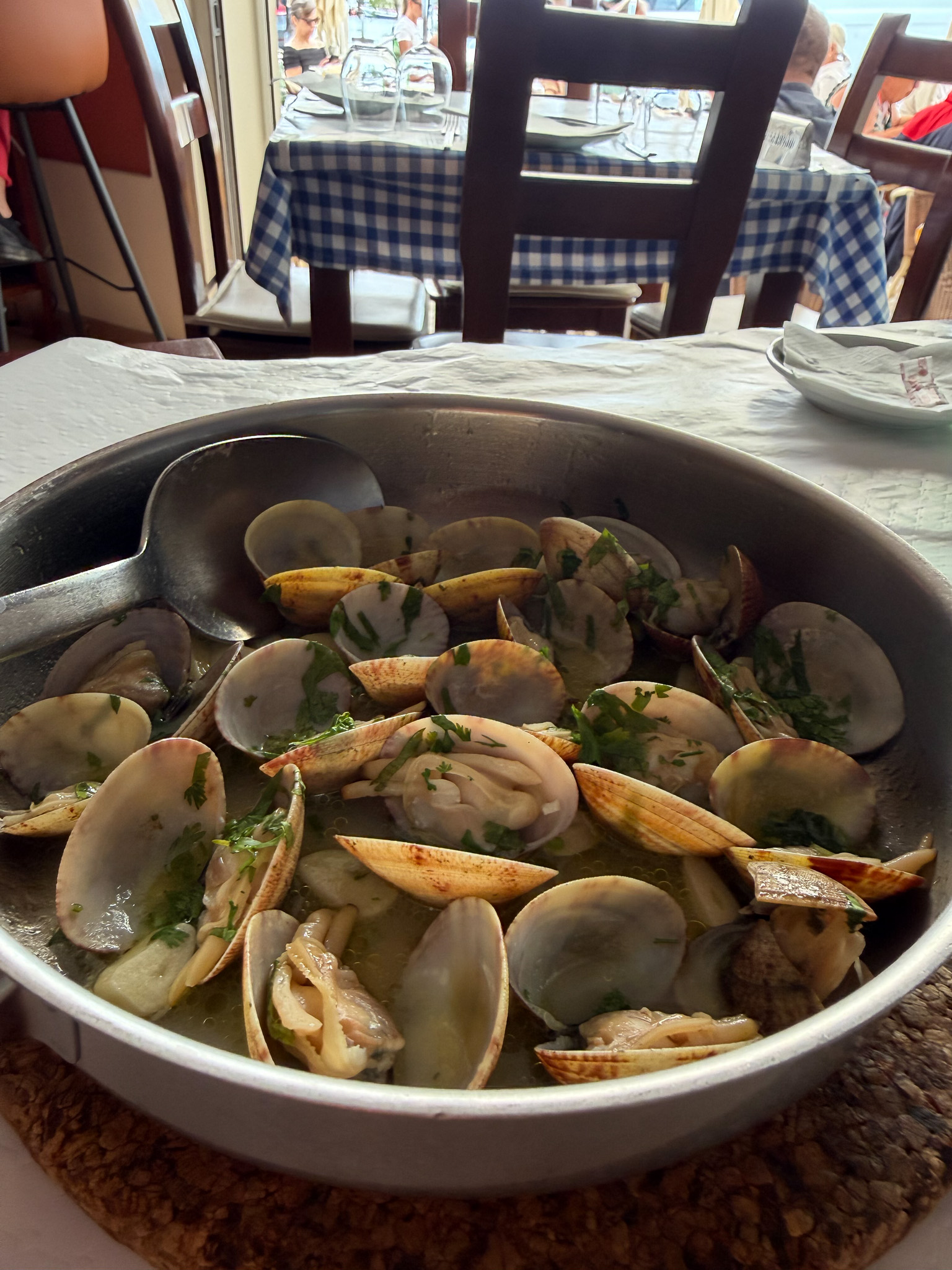
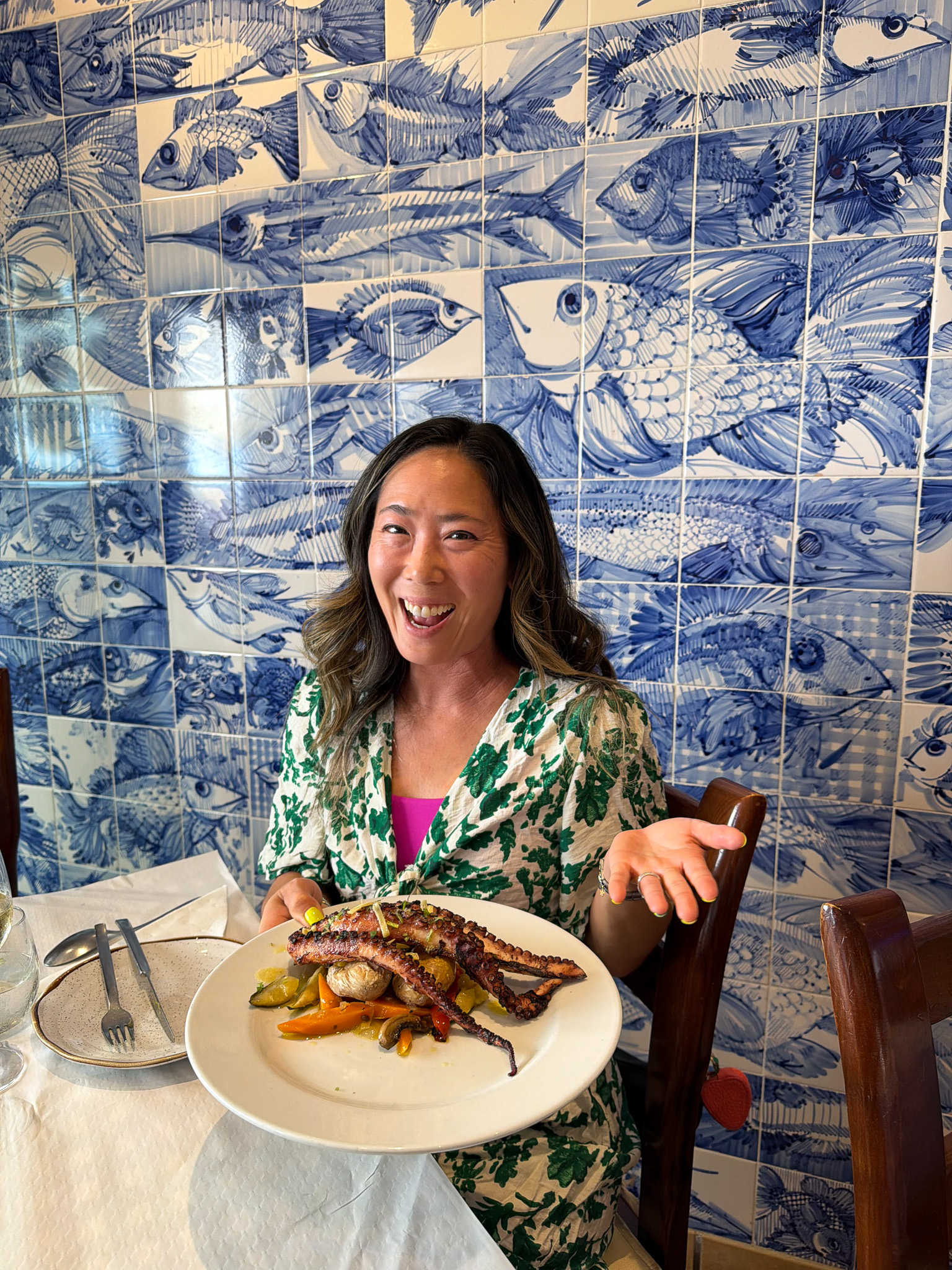
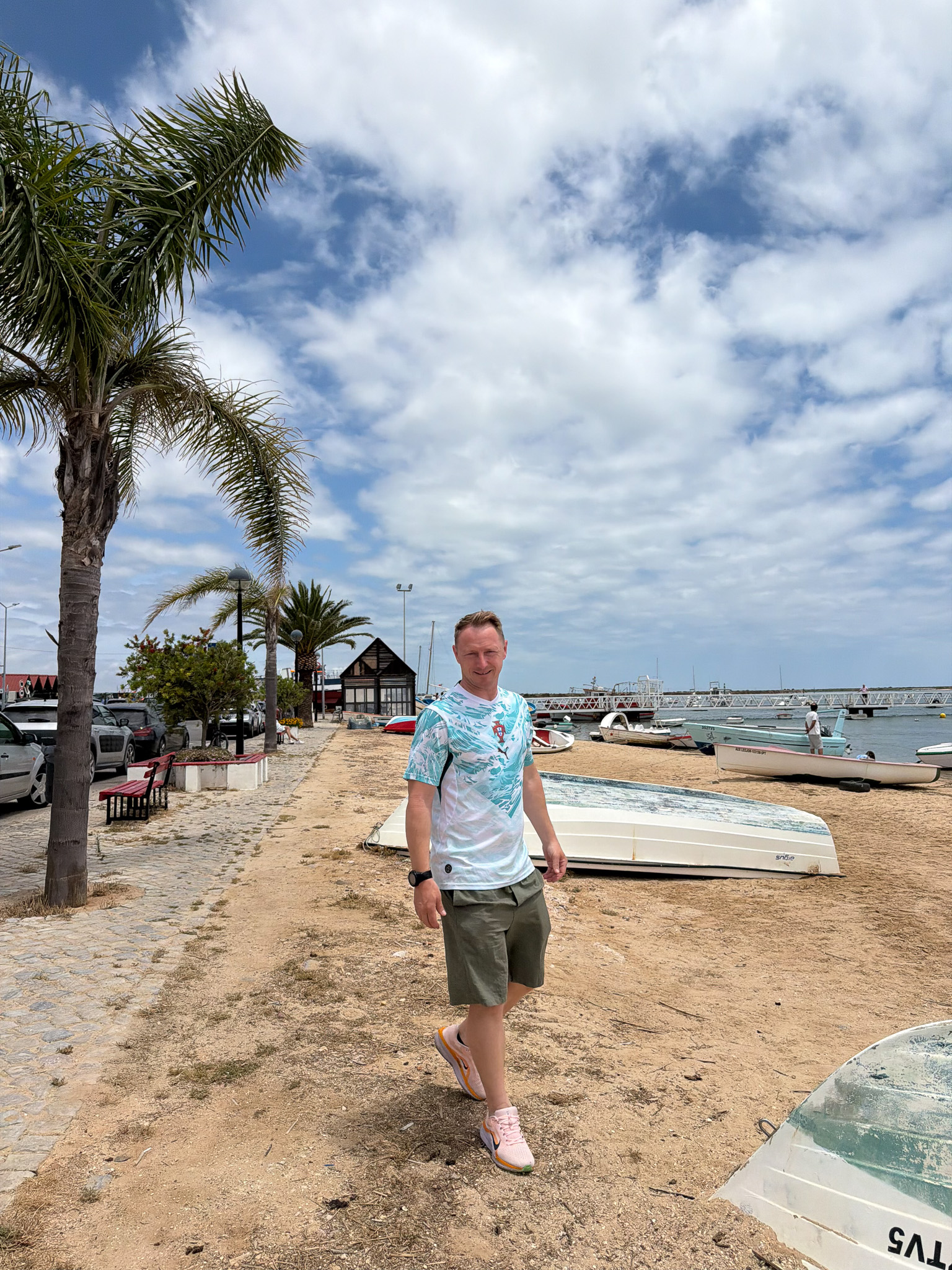
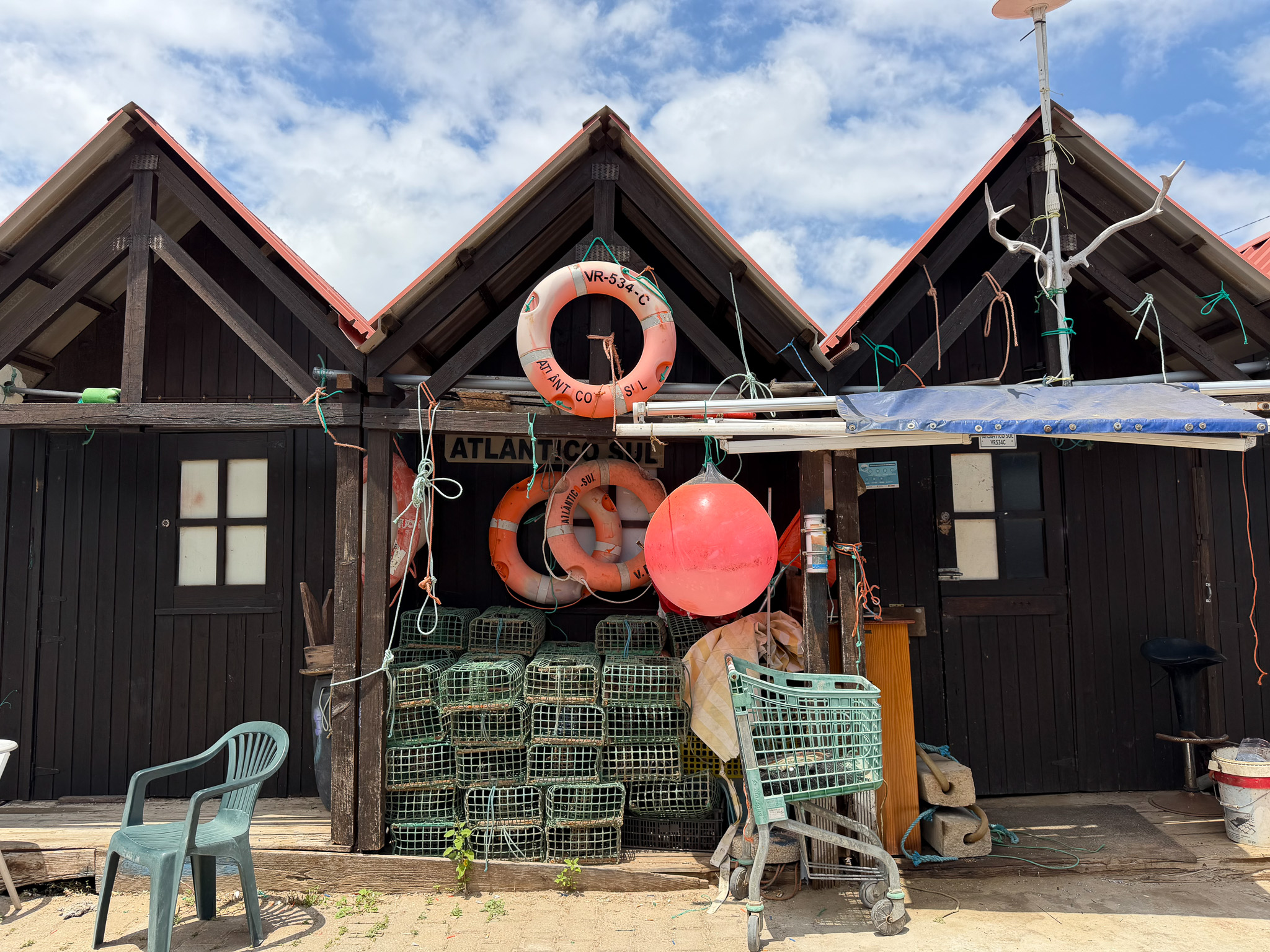
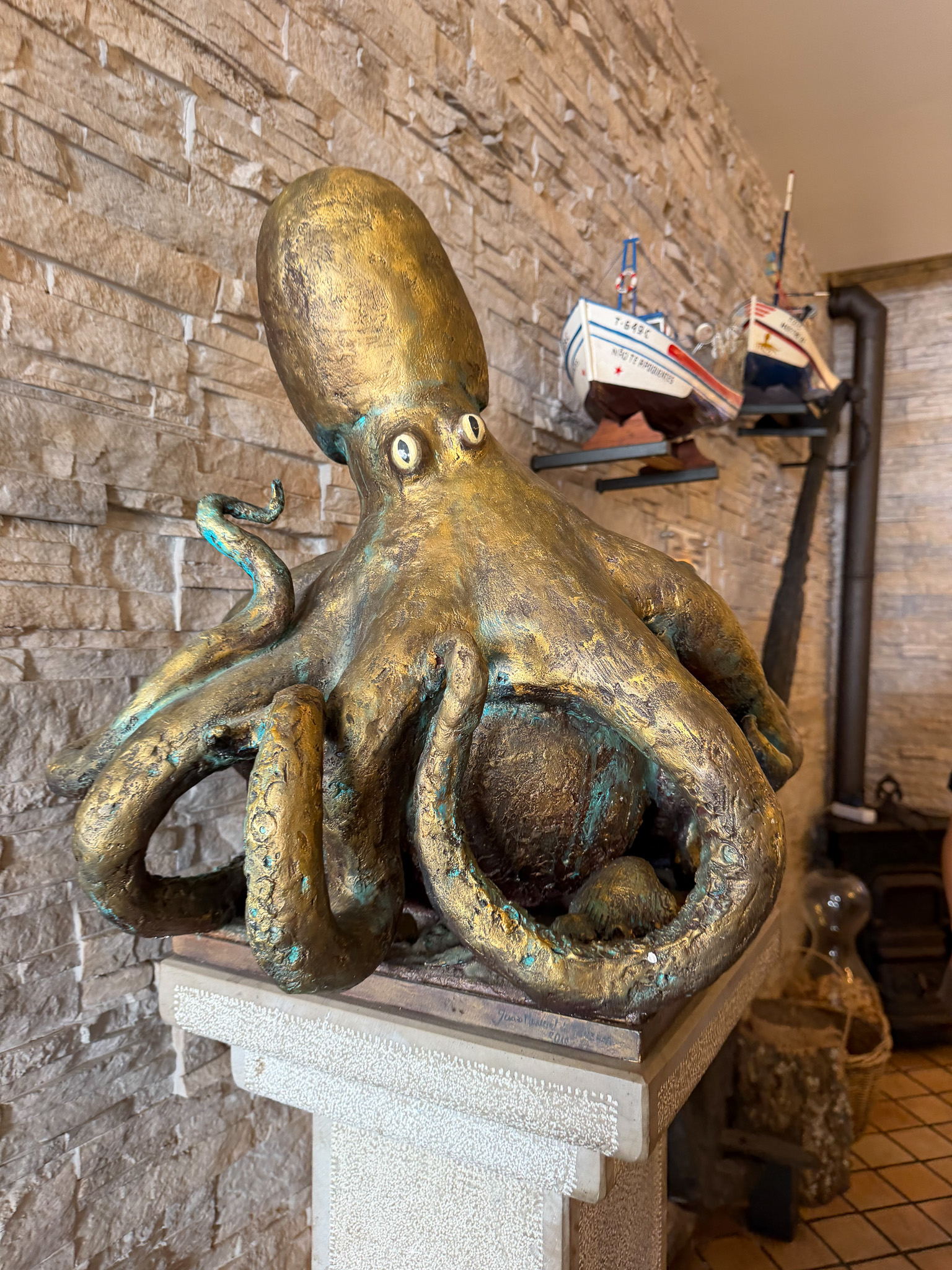
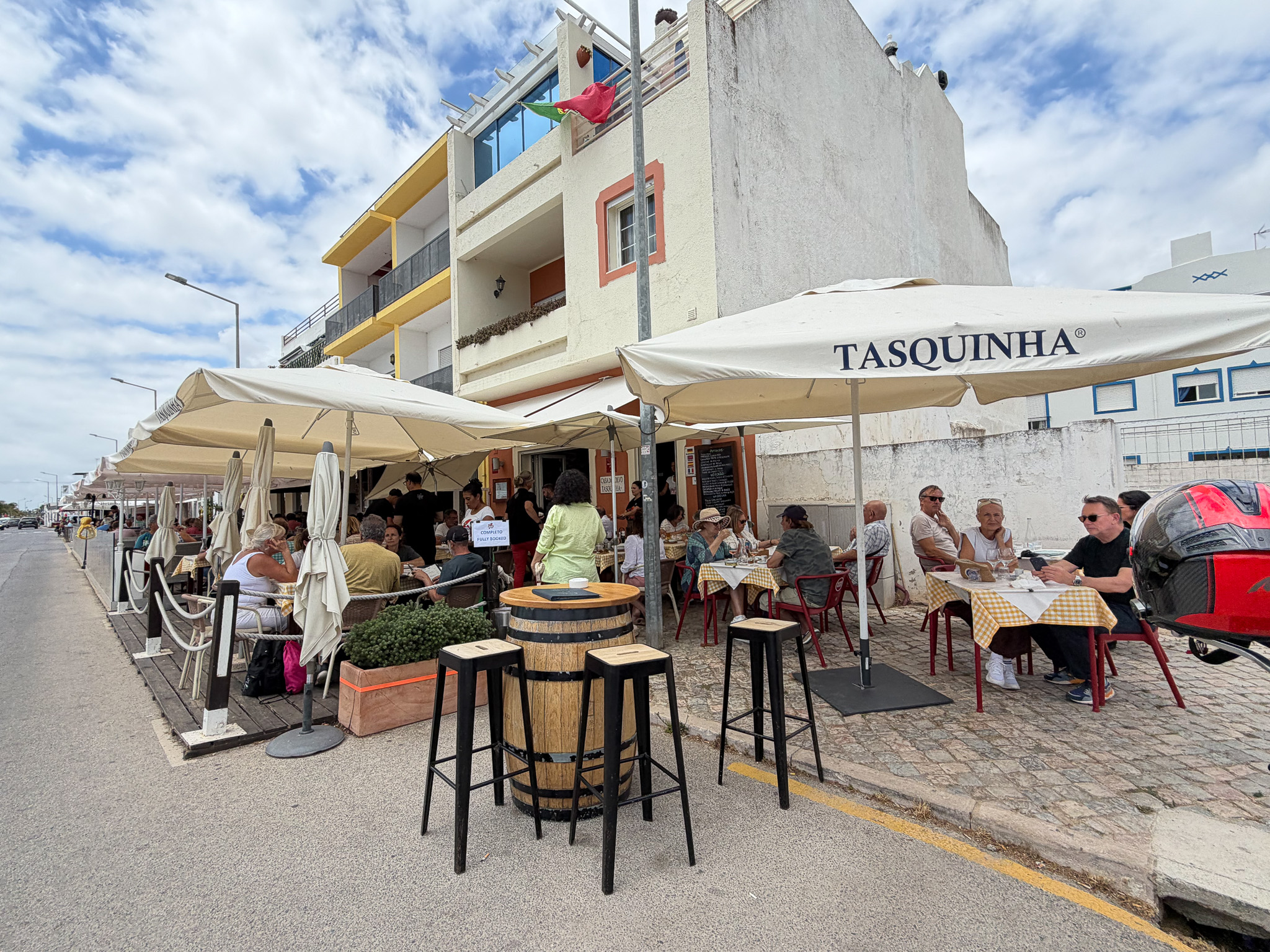
Santa Luzia proudly calls itself the octopus capital of Portugal — and it earns the title.
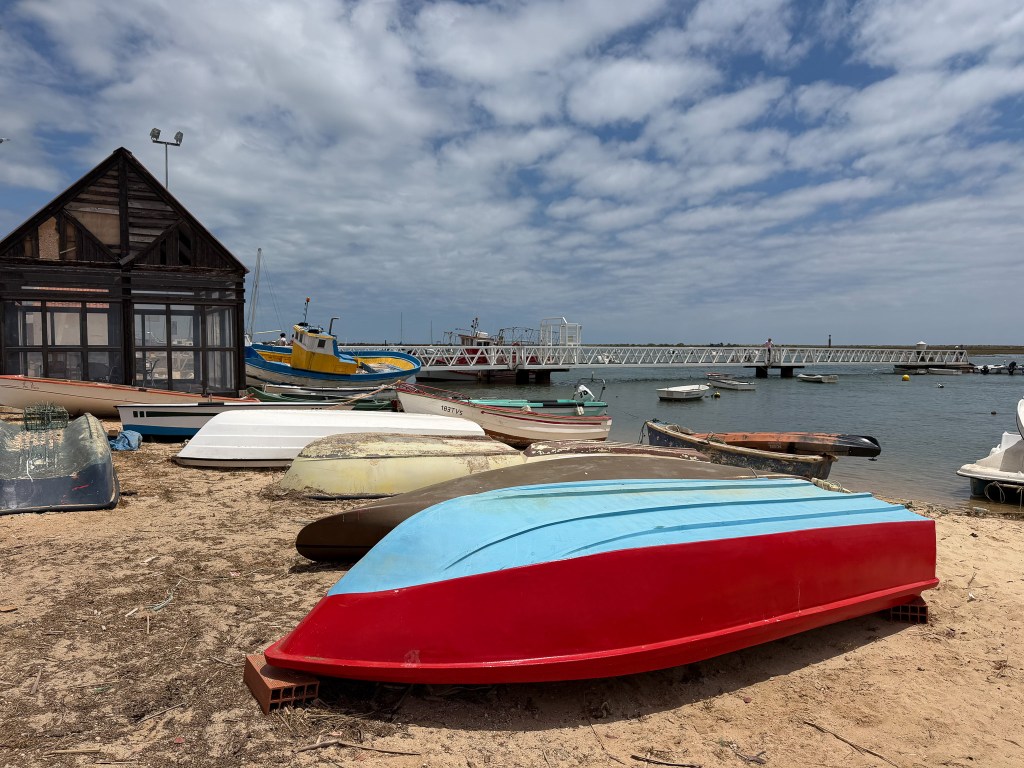
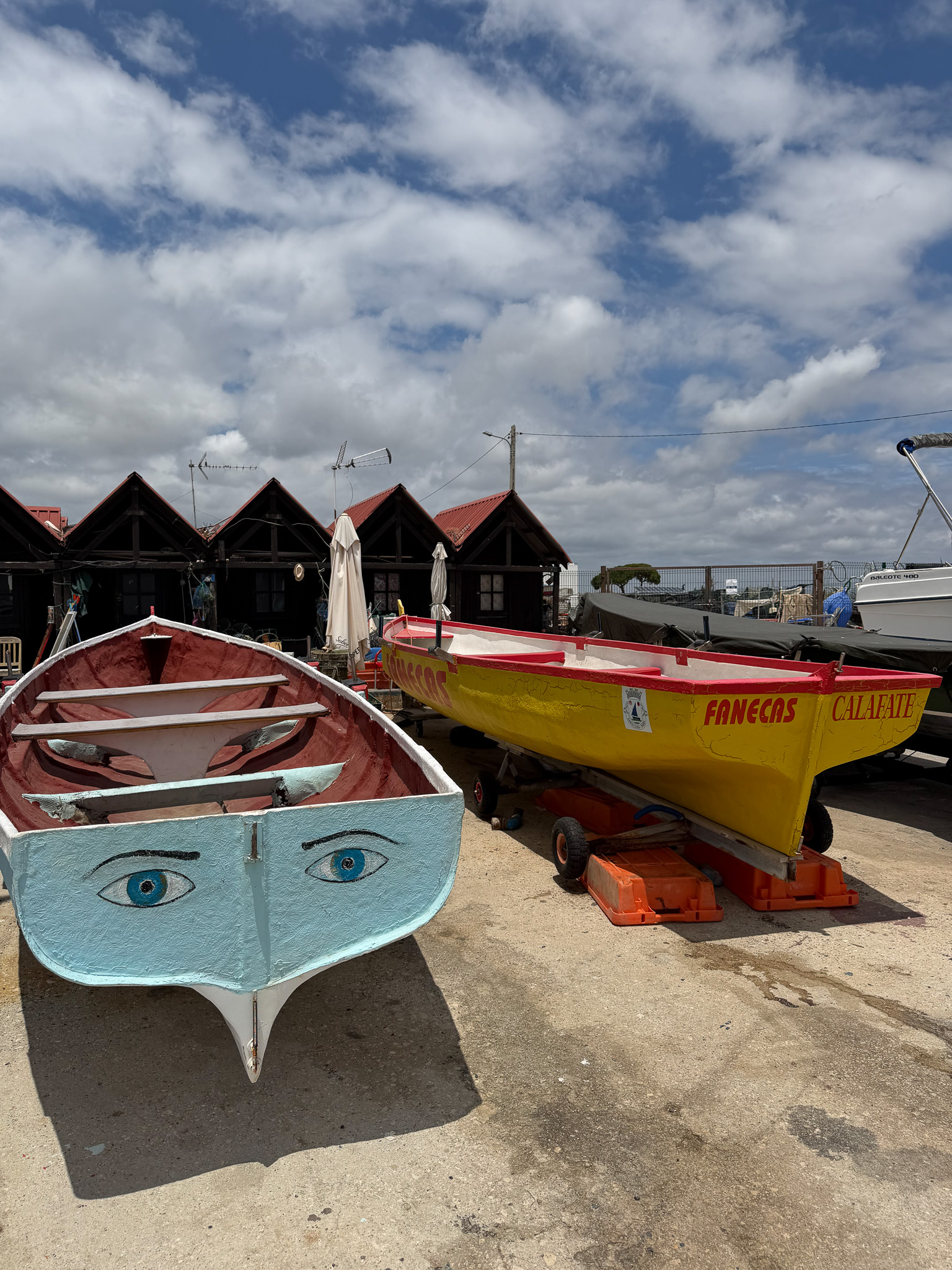
This small working fishing village is where octopus traps are stacked along the waterfront and the catch of the day is genuinely the day’s catch. One of our favorite moments was just wandering the waterfront and taking in the fishing houses — the crabbing gear, the octopus equipment, the general sense that this is a place where people still make their living from the sea in the most direct way. It’s a small detail that makes the village feel completely real.
The colorful fishing boats, the quiet promenade, the small-scale feel. The whole point here is to slow down — ideally over a very long lunch.
Worth the Drive
🏖️ Cacela Velha
Allow: 1–2 hours
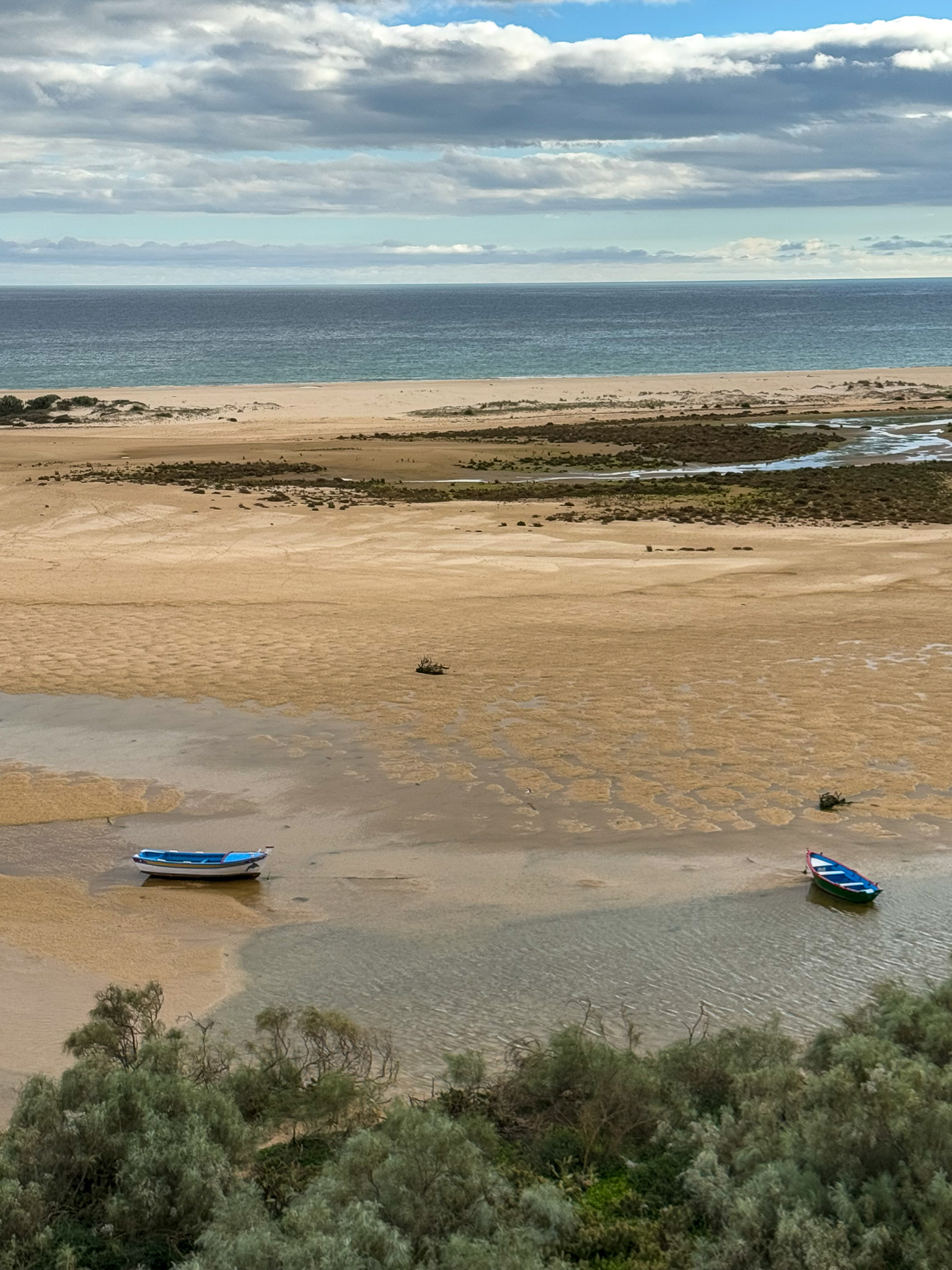
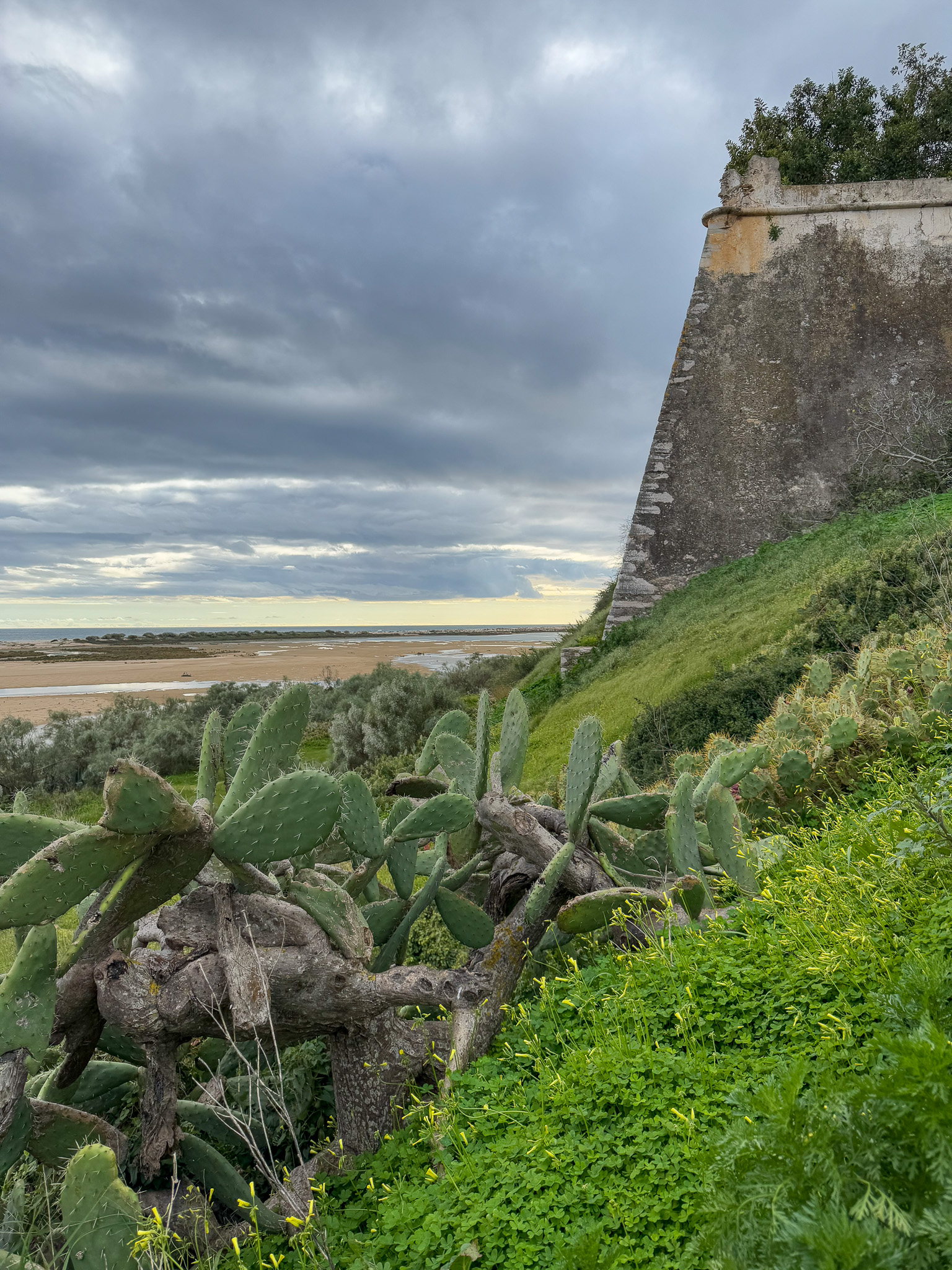
Drive east to Cacela Velha if you have a spare half day — it’s only about 15 minutes from Tavira and absolutely worth it. This tiny hilltop village overlooks the Ria Formosa and has one of the prettiest viewpoints in the entire Algarve.
But don’t stop at the viewpoint. Head down to Praia de Cacela Velha and you’ll find one of the most unspoiled beaches on the entire coast — wide sandbanks, calm turquoise water, and almost no one there. The beach is only accessible by boat or on foot at low tide, which keeps it that way. We walked along the shoreline and couldn’t quite believe how empty and beautiful it was.
The water is calm and great for swimming, and the lack of facilities is very much the point — bring your own food, water, and sun protection and treat it as the escape it is. This is the kind of beach that makes you want to keep it a secret.
Where to Eat & Drink
🍽️ Tavira
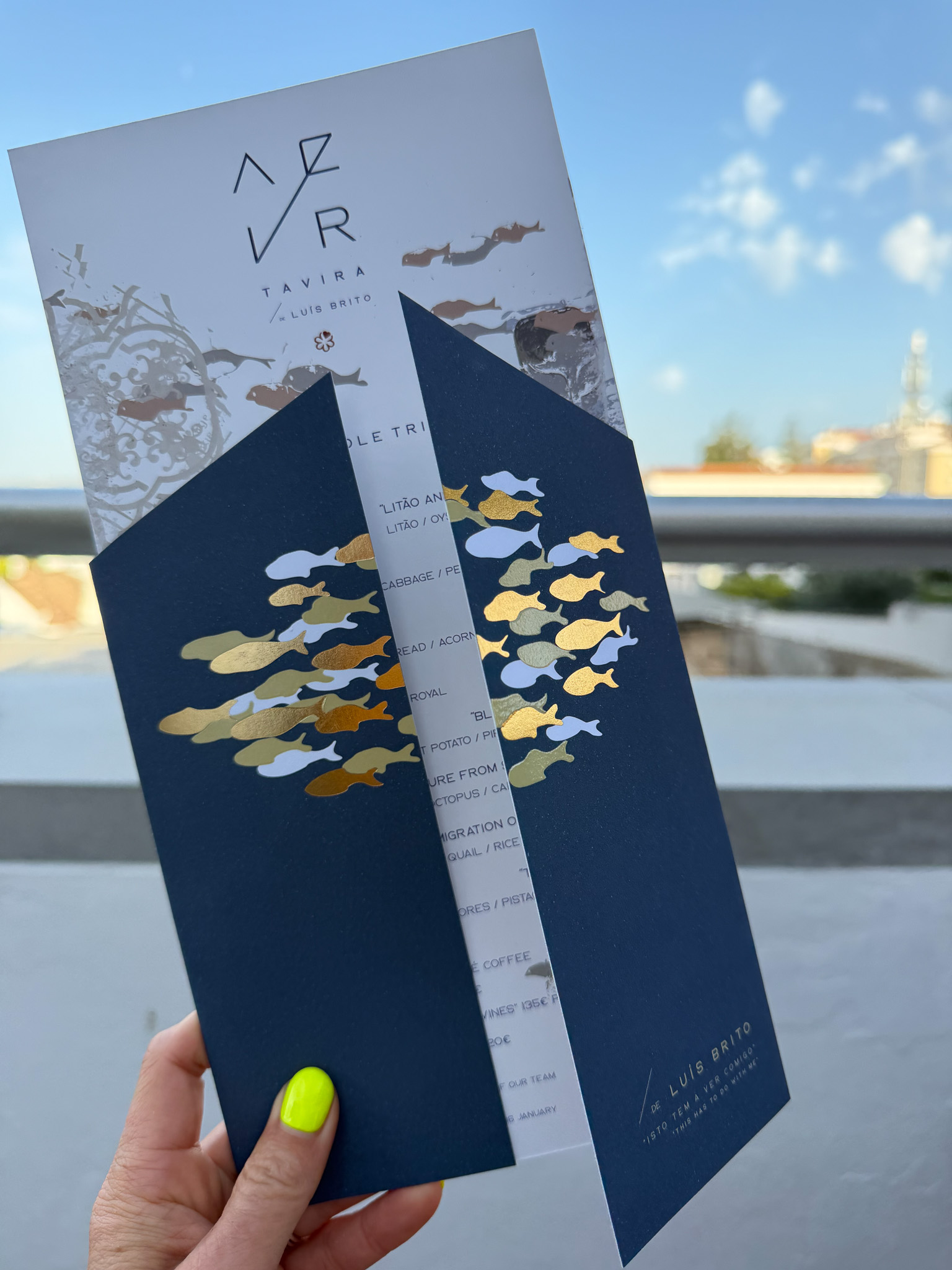
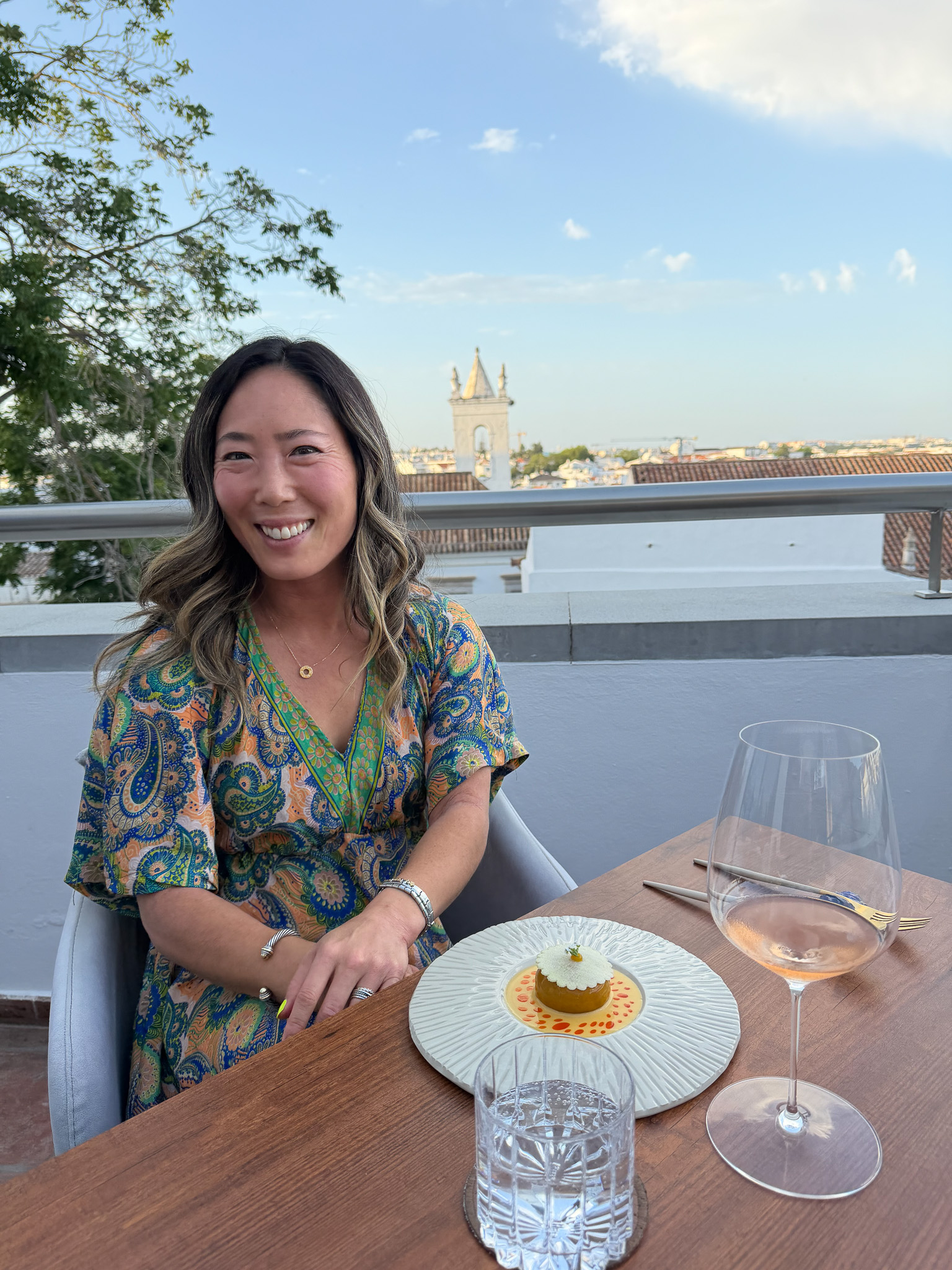
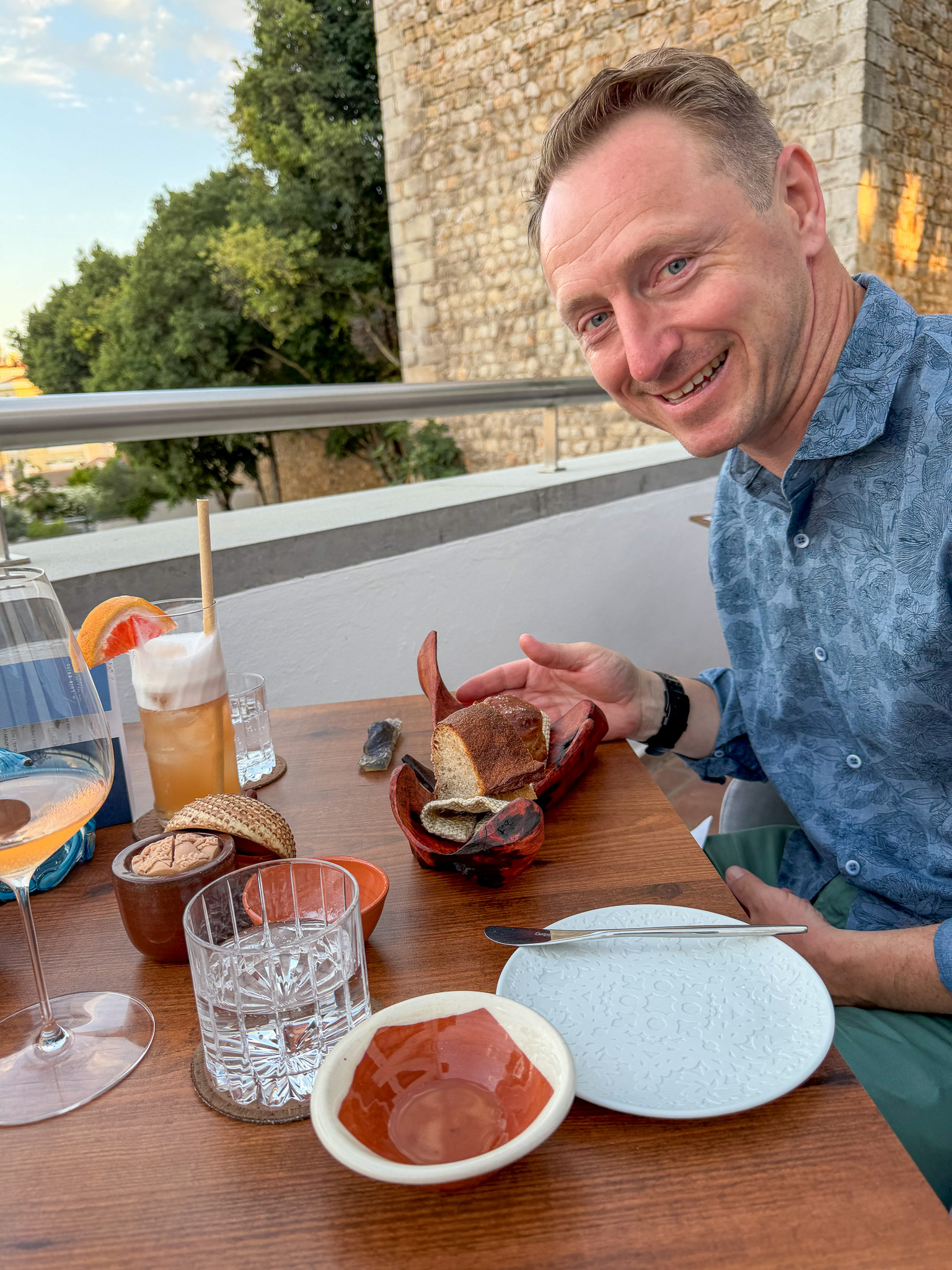
- A Ver Tavira — This is where we celebrated our 7-year anniversary and we’d return without hesitation. The food is excellent — they use local Algarve salt in their cooking and we got to try it; genuinely exceptional. Book the patio if you can. If you can’t get a dinner reservation, at minimum stop by for a drink on the rooftop terrace around sunset. The views over Tavira are the kind of thing you photograph knowing the photo won’t do it justice.
- Quatro Águas — A classic Tavira spot right on the water near the estuary, close to where the ferry crosses to Ilha de Tavira. Known for traditional, well-executed seafood and beautiful waterfront views. Good for a relaxed lunch.
- Mesa Farta — On our list for next time. Chef João Viegas grew up in Tavira, went off to train at El Celler de Can Roca and Mugaritz in Spain, and came back home to open this modern Portuguese restaurant in a renovated storehouse near the train line. The kind of local-makes-good story we love.
- Três Palmeiras — Also on our radar: a charcoal-grilled fish spot with a great format. When you arrive, write your name on the chalkboard and wait to be called — a fixed-price spread of whatever’s fresh that day (dorada, mackerel, cuttlefish) for around €15–17. No frills, packed with locals, exactly the kind of place we’re always looking for.
🍽️ Santa Luzia
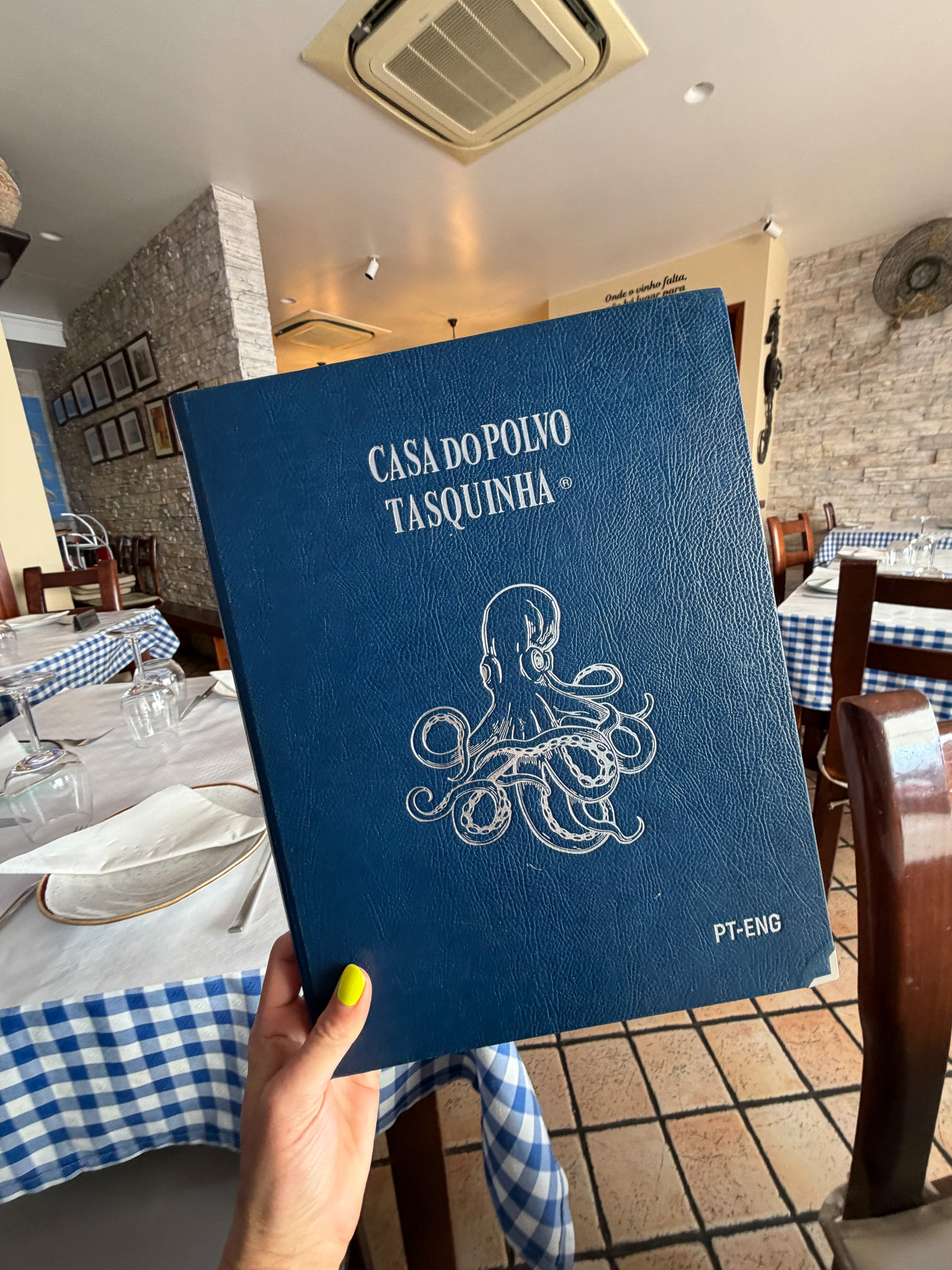
- Casa do Polvo Tasquinha — Quite possibly the best octopus we’ve ever eaten, and given Santa Luzia’s reputation, that’s saying something. We ordered the grilled octopus and the ceviche — both were exceptional. The atmosphere is cozy and unpretentious, exactly what a tasquinha should be. Make a reservation — this place fills up.
🍽️ Olhão
- Vai e Volta — Consistently turns up as one of the best in Olhão: a backstreet gem known for fresh fish, a simple all-you-can-eat format for around €17, and the kind of loyal regulars that say everything. We didn’t make it this trip but it’s first on the list next time.
- Terra i Mar — Tapas-style dishes on the waterfront with a strong wine list and a focus on Ria Formosa produce. A good option if you want something a bit more relaxed than picking a random patio — though honestly, that can work too.
- The Waterfront (generally) — Part of the charm here is that there’s no single definitive answer. Pick a sunny patio along the marina, order grilled fish, clams, local oysters, and a carafe of white wine. Simple food done well in a beautiful setting. That’s the whole point.
Tips & Things to Know
🚗 Rent a car. Trains connect Faro, Olhão, and Tavira, but this region rewards flexibility — the smaller villages, beaches, and viewpoints aren’t on any train line. Parking was easy everywhere we went.
💶 Carry cash in Olhão. The market stalls are largely cash-only. ATMs are close by but easier to sort in advance.
🗓️ Book Casa do Polvo Tasquinha ahead. Santa Luzia is small and this restaurant is popular. Don’t assume you can walk in.
🌿 Plan the Salina do Grelha and Monterosa visits in advance. We struck out on both by just showing up — check opening hours before you go and book the Monterosa tasting experience if that’s on your list.
⛵ Don’t skip the boat tour. We ran out of time, but a Ria Formosa boat tour from Olhão is clearly the right call. Build it into your itinerary from the start rather than treating it as optional.
Final Thoughts
If Western Algarve is about dramatic scenery and beach towns, Eastern Algarve is about slowing down. It’s long seafood lunches, fishing boats, whitewashed villages, salt pans, and discovering a corner of southern Portugal that still feels like it belongs to the people who live there.
It surprised us — and we think it’ll surprise you too.
Have questions about visiting the Eastern Algarve? Drop them in the comments — we’re happy to help plan your trip.





Leave a Reply