Busan was our second stop in South Korea, and it felt completely different from Seoul. It’s South Korea’s second-largest city, but with beaches, mountains, colorful hillside neighborhoods, coastal temples and some incredible food, it has a much more laid-back feel.
It’s also incredibly easy to add to a Korea itinerary. The high-speed KTX train from Seoul takes under three hours, and we spent two nights here before continuing on to Jeju. We packed a LOT into our short stay, including one very full day tour (more on why we recommend that later!), but still left feeling like this is easily a place we could spend five days or more.
📅 How Many Days Do You Need in Busan?
We spent two nights in Busan, and packed a lot into one full sightseeing day, but we could have easily stayed longer.
After seeing what Busan has to offer, we’d recommend at least two full days and ideally three, but if you like beaches, cafés, food and exploring at a slower pace, you could easily fill five days or more. We had planned a slower final morning walking the coast from Haeundae toward Mipo and Cheongsapo, but pouring rain changed those plans.
→ TIP: Don’t underestimate Busan’s size. It’s a huge city and many of its biggest attractions are really spread out, which is one of the reasons a day tour worked so well for us.
🏨 Where to Stay in Busan
Haeundae: Our Pick for a First Trip
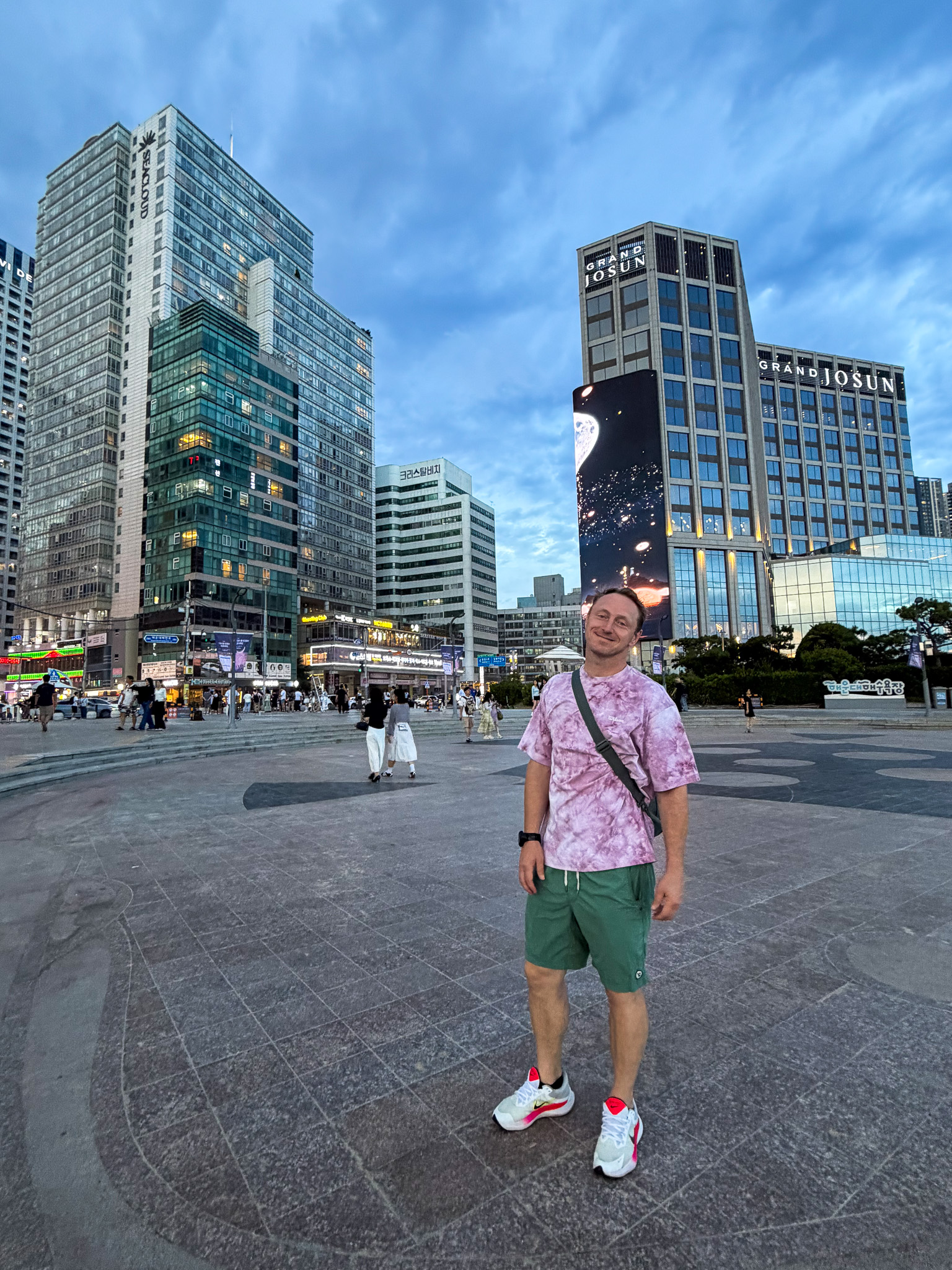
We stayed at the Grand Josun Busan in Haeundae and loved it. Our room was huge and beautiful, the service was incredibly attentive, and there’s a great pool and spa area. Best of all was the location: Haeundae Beach is right outside, with the market, tons of restaurants and shops all within easy walking distance. It made a fantastic base for our first visit, and we’d happily stay here again.
🚐 Our Biggest Busan Tip: Book a Day Tour
We don’t always recommend organized tours, but Busan is one place where we definitely would. It’s a huge, spread-out city, and some of its major sights are nowhere near each other. We booked this small-group Busan day tour through Klook for just $39/person, which combined the Haeundae Sky Capsule, Haedong Yonggungsa Temple, Ahopsan Forest, a traditional hanok café, Bupyeong Kkangtong Market, Gamcheon Culture Village and Huinnyeoul Culture Village into one day. It would have been difficult to cover nearly as much independently without renting a car, and it saved us a ton of time getting between places.
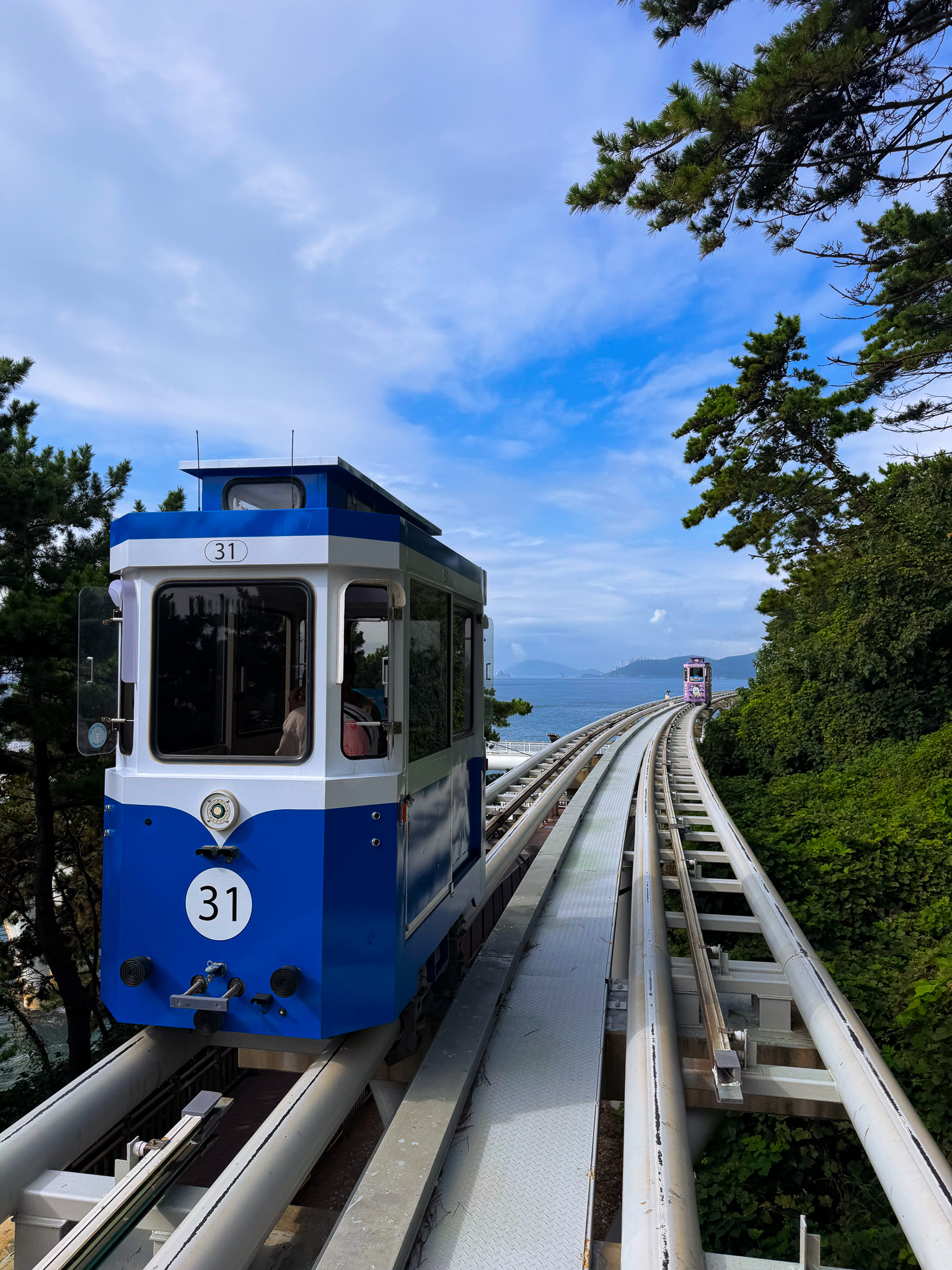
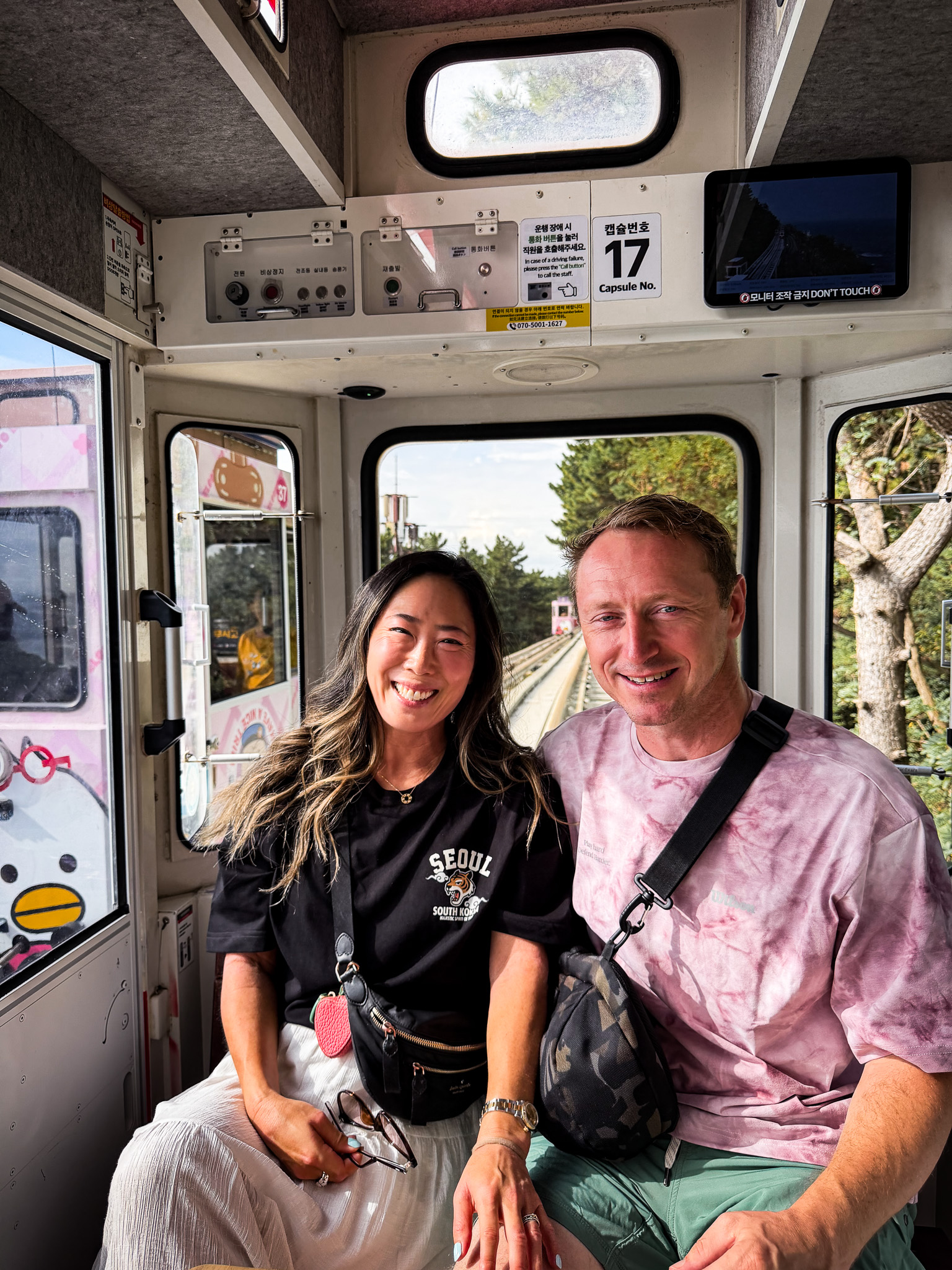
The tour also solved one of our biggest planning problems: the Haeundae Sky Capsule. When we tried to reserve it ourselves, every time slot was sold out online. Our tour got us there early, started from the less-popular end and beat the cruise-ship crowds, so we only had a short wait for same-day tickets. If the Sky Capsule is important to you, we’d either reserve months ahead or book a Busan day tour like we did.
🌊 Best Things to Do in Busan
Ride the Haeundae Sky Capsule
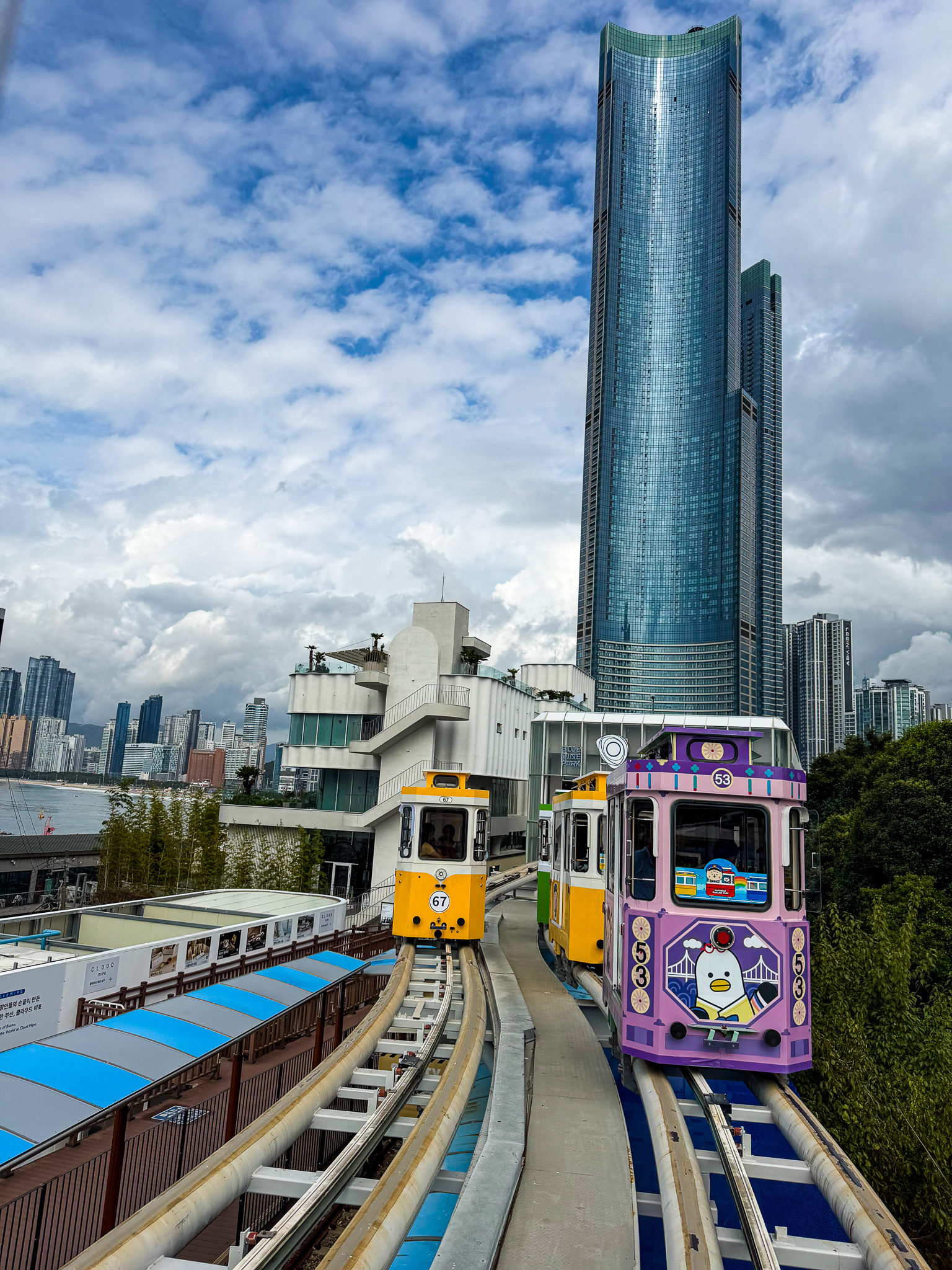
The Haeundae Sky Capsule is a must-do in Busan. The tiny colorful capsules travel slowly above the coastline between Mipo and Cheongsapo, giving you gorgeous ocean views along the way. Tickets are ₩50,000 for two people (about $34 USD) or ₩60,000 for four people (about $41 USD).
As we mentioned above, tickets can be difficult to get, so we’d reserve well ahead or choose a day tour that includes the Sky Capsule.
Visit Haedong Yonggungsa Temple
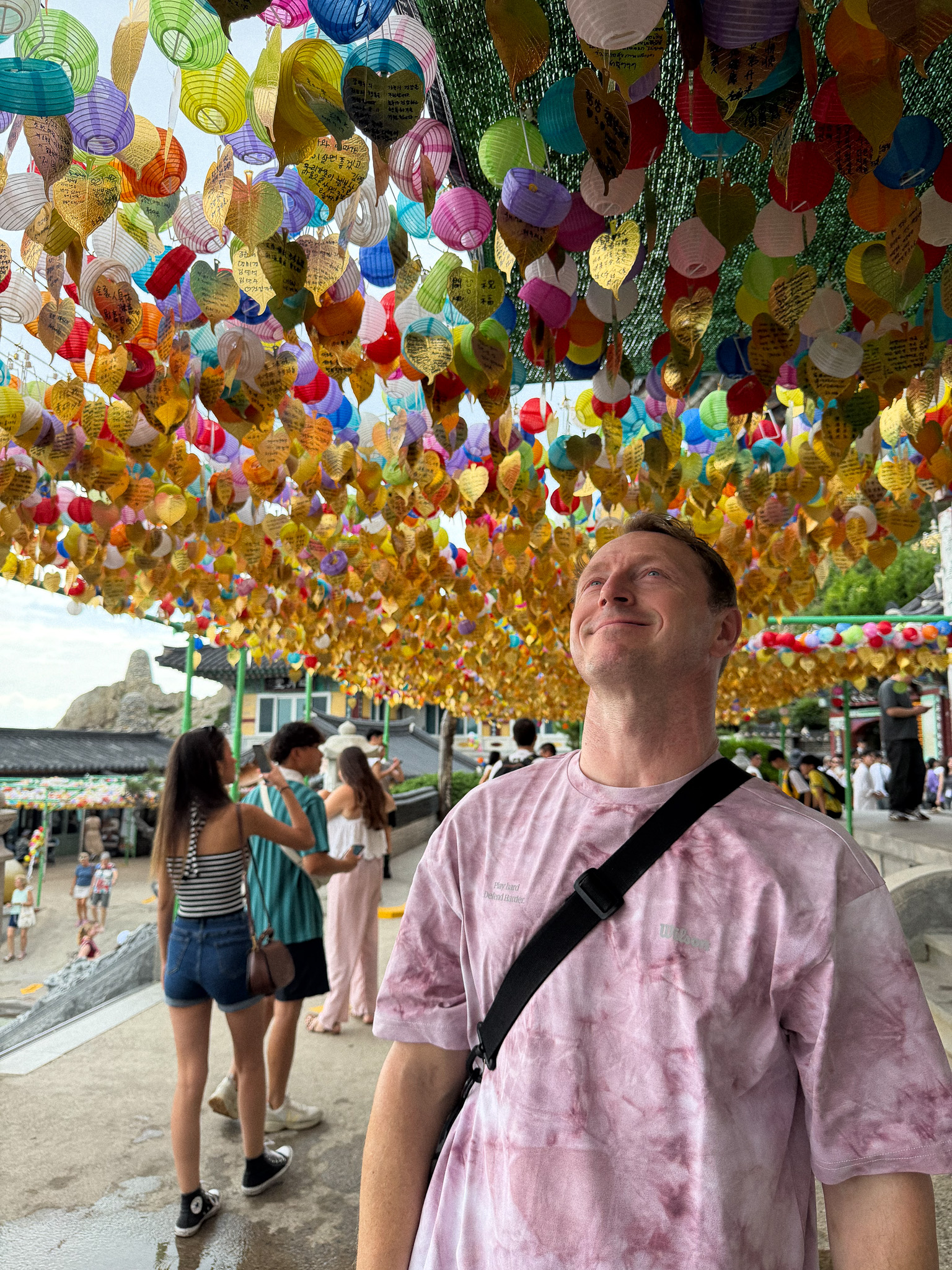
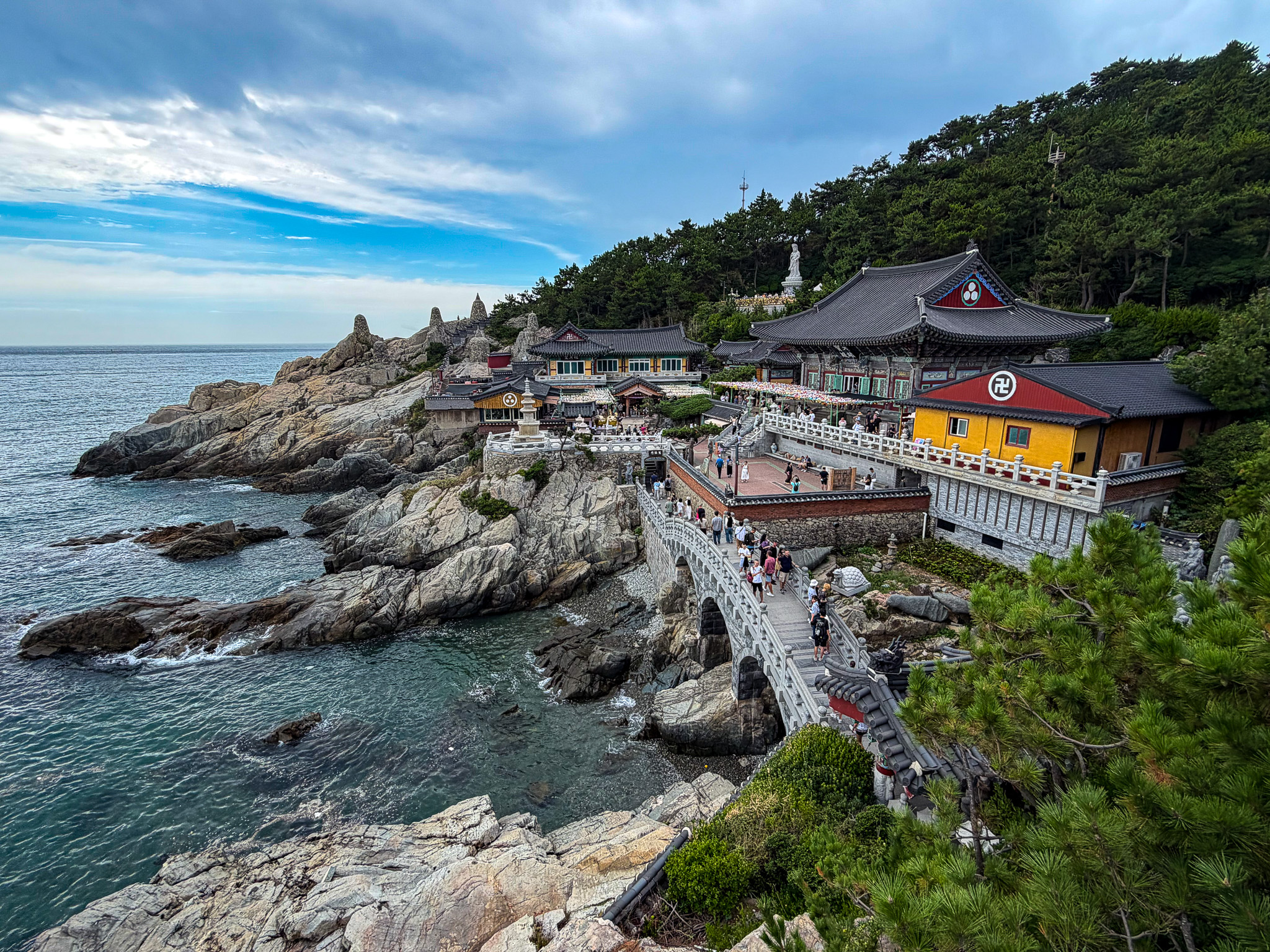
Haedong Yonggungsa was one of the prettiest temples we’ve visited. What makes it particularly special is its setting: while many Korean Buddhist temples are tucked into the mountains, this one sits dramatically along Busan’s rocky coastline overlooking the sea.
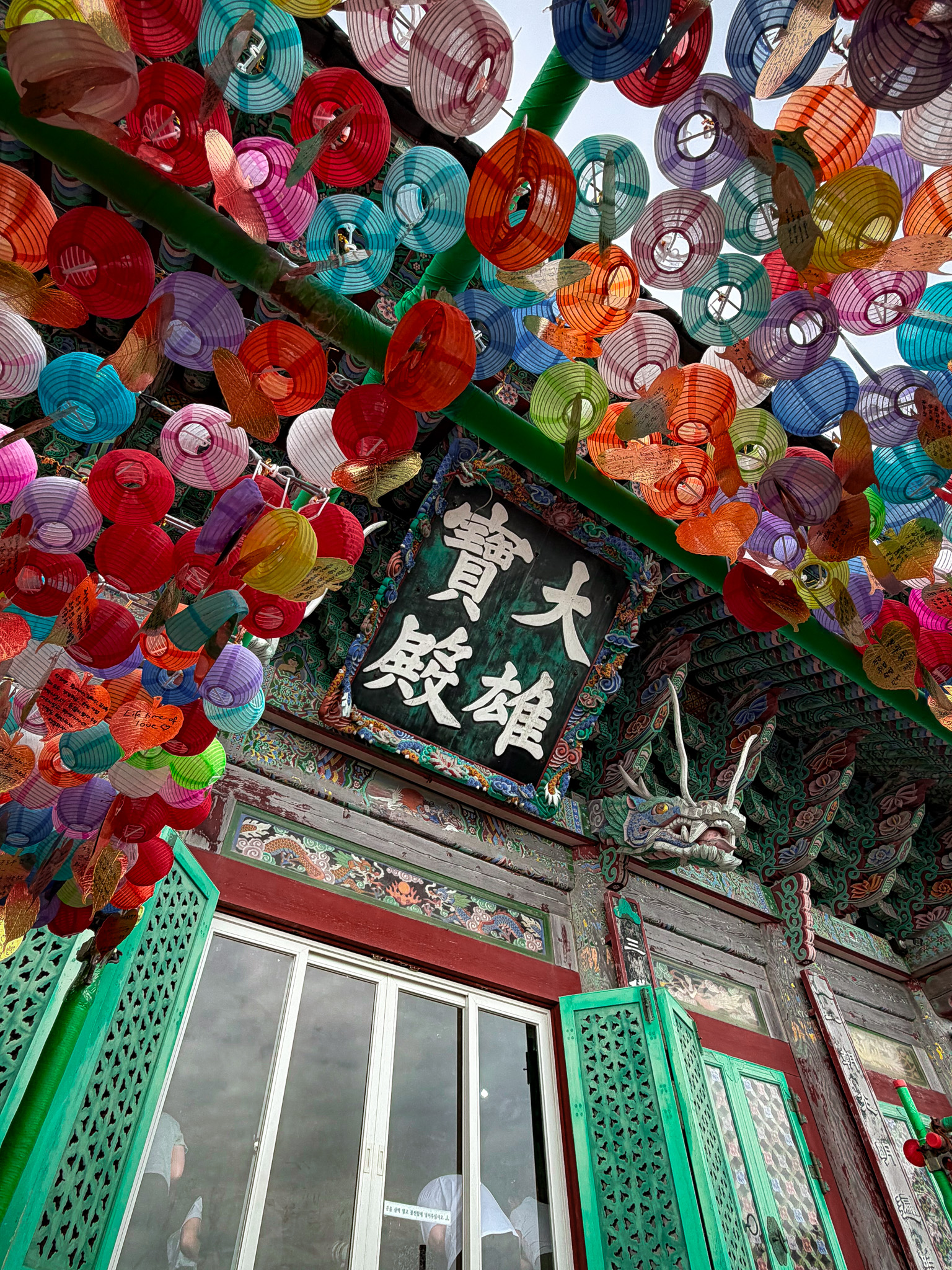
The temple traces its origins to 1376 during the Goryeo Dynasty, although the complex has been destroyed and rebuilt over its long history. We loved learning about the different Buddhas associated with particular wishes and blessings, from having a son to bringing prosperity, and one of our favorite details was the ceiling filled with hanging gold leaves. It was crowded when we visited, but the combination of colorful temple buildings, rocky coastline and ocean was stunning.
Walk Through Ahopsan Forest
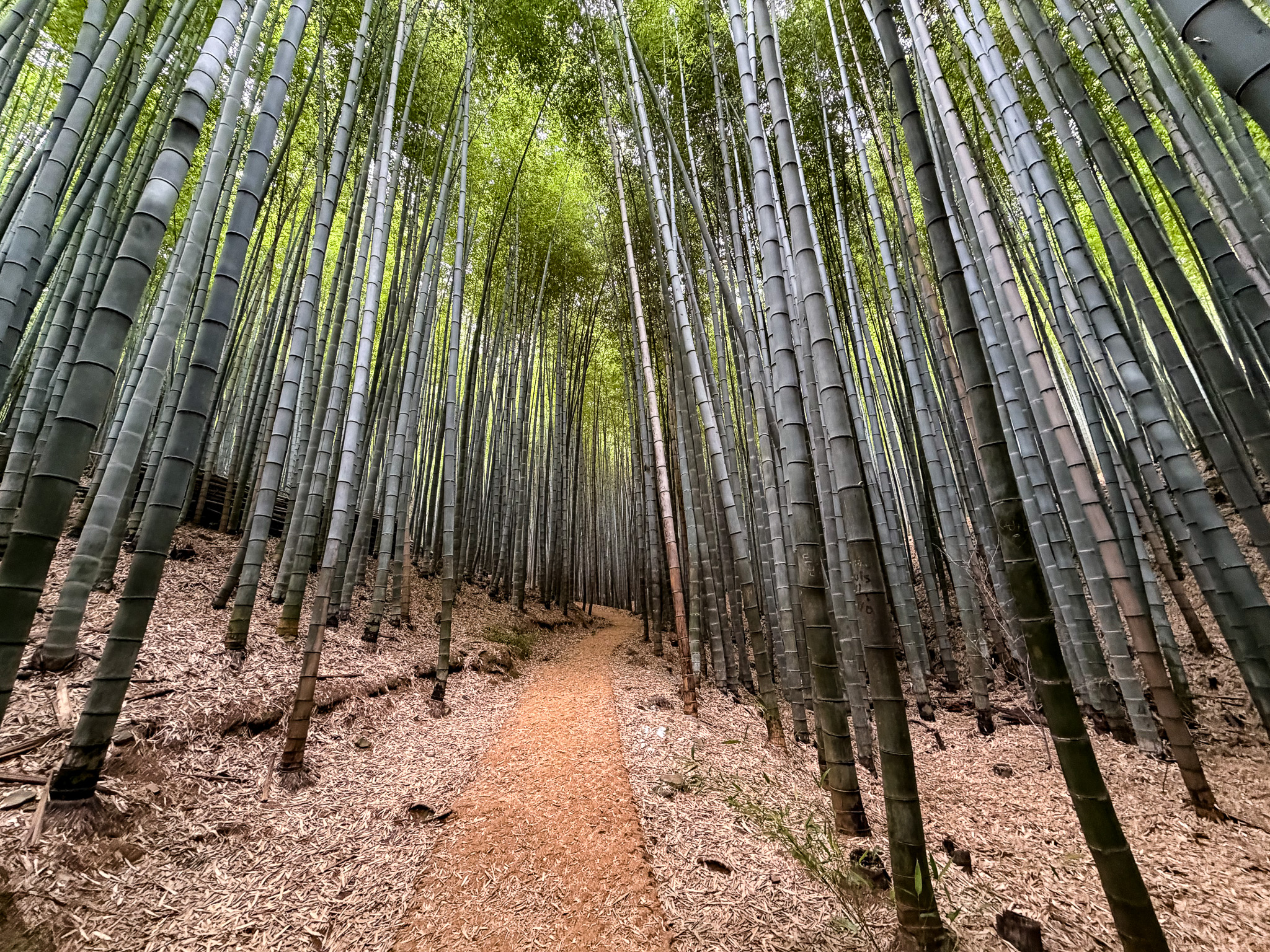
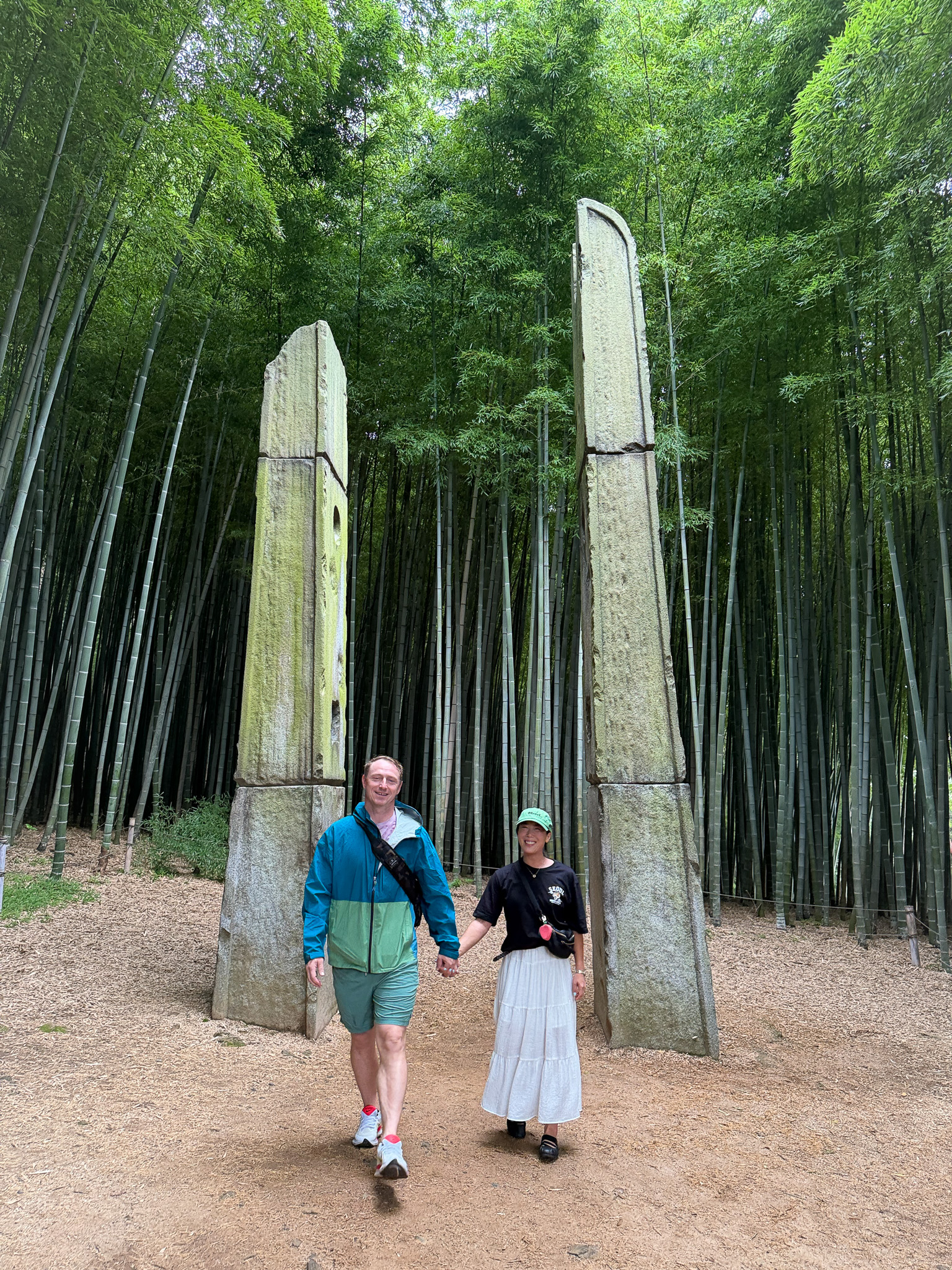
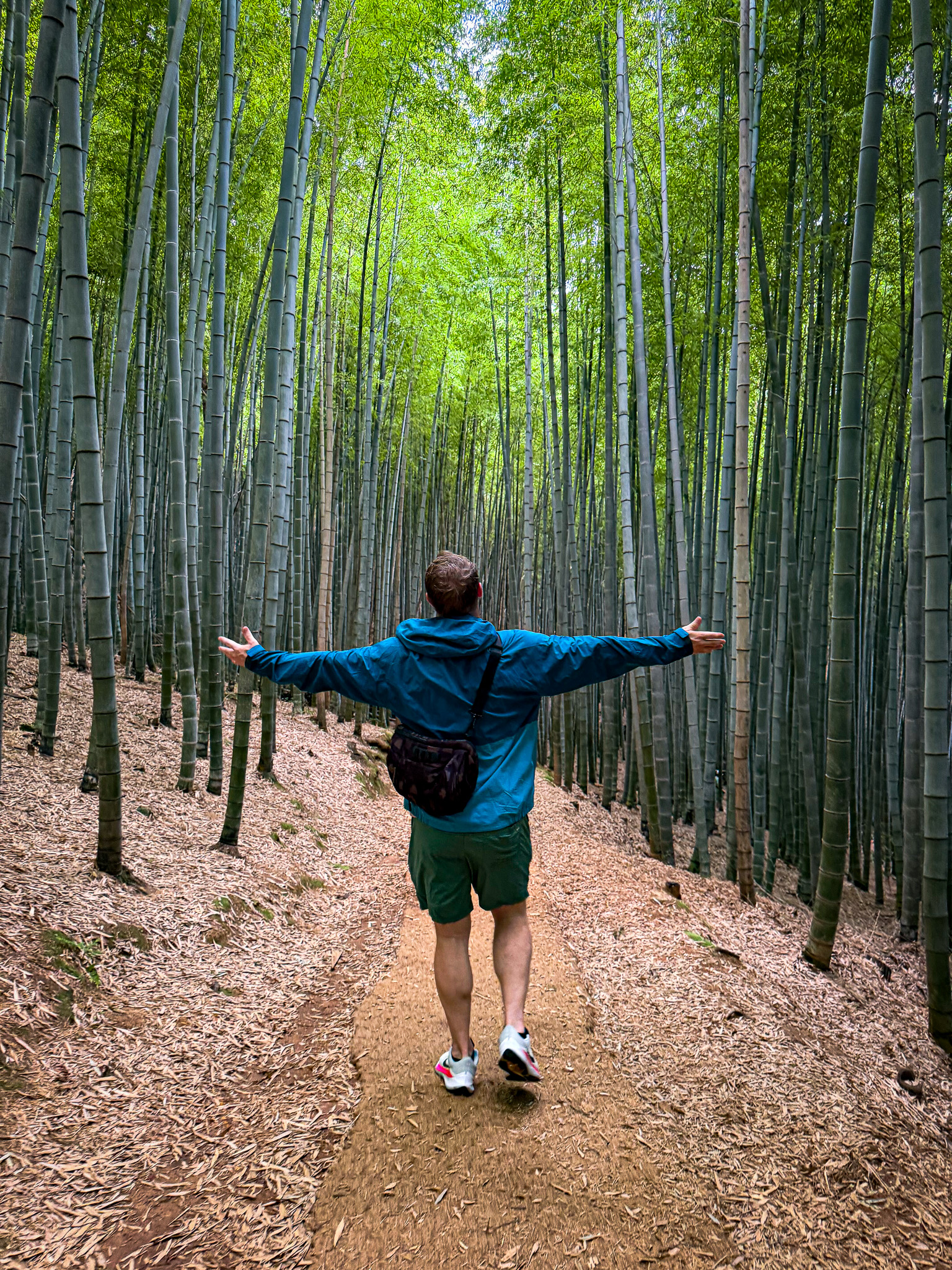
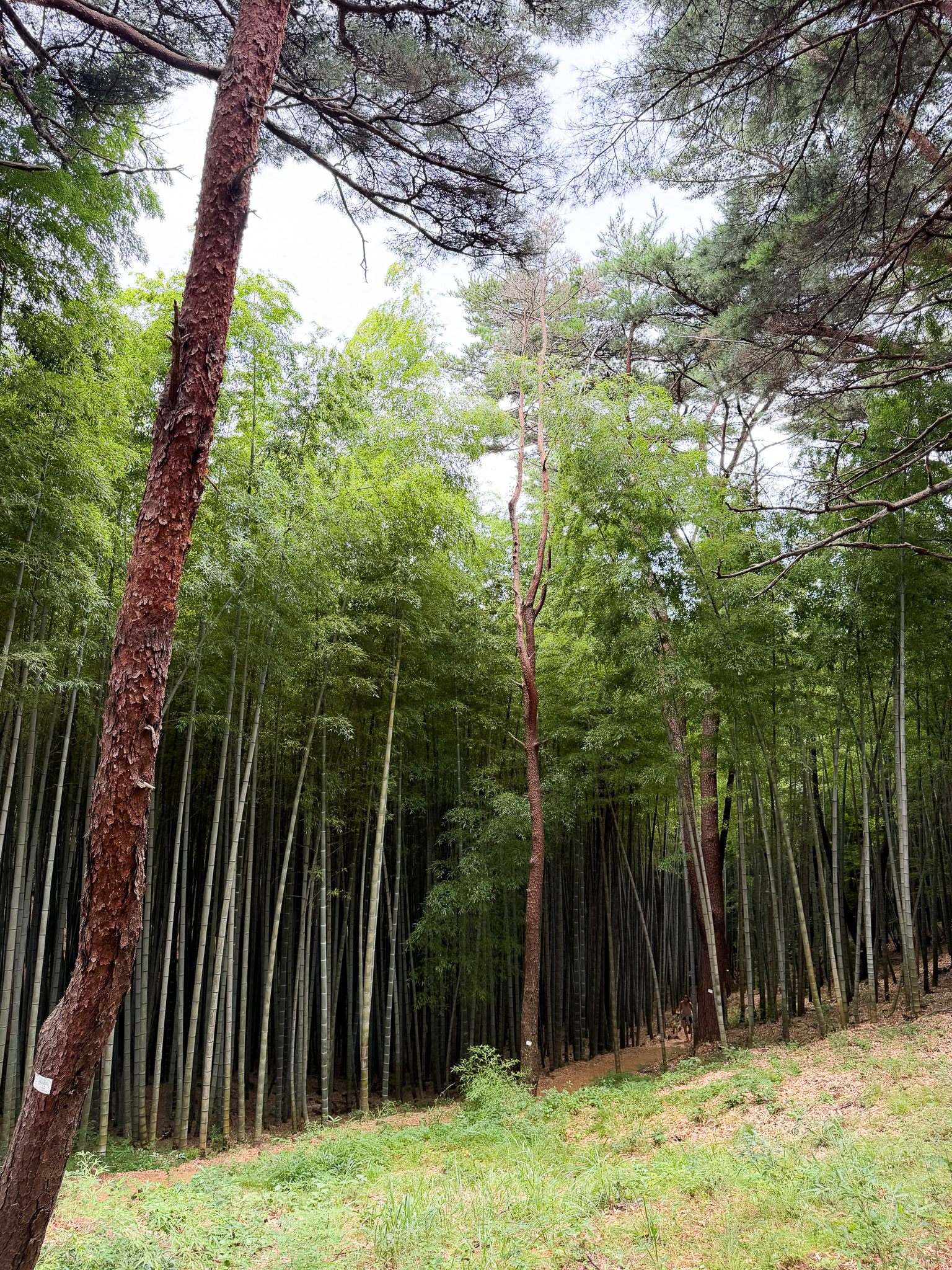
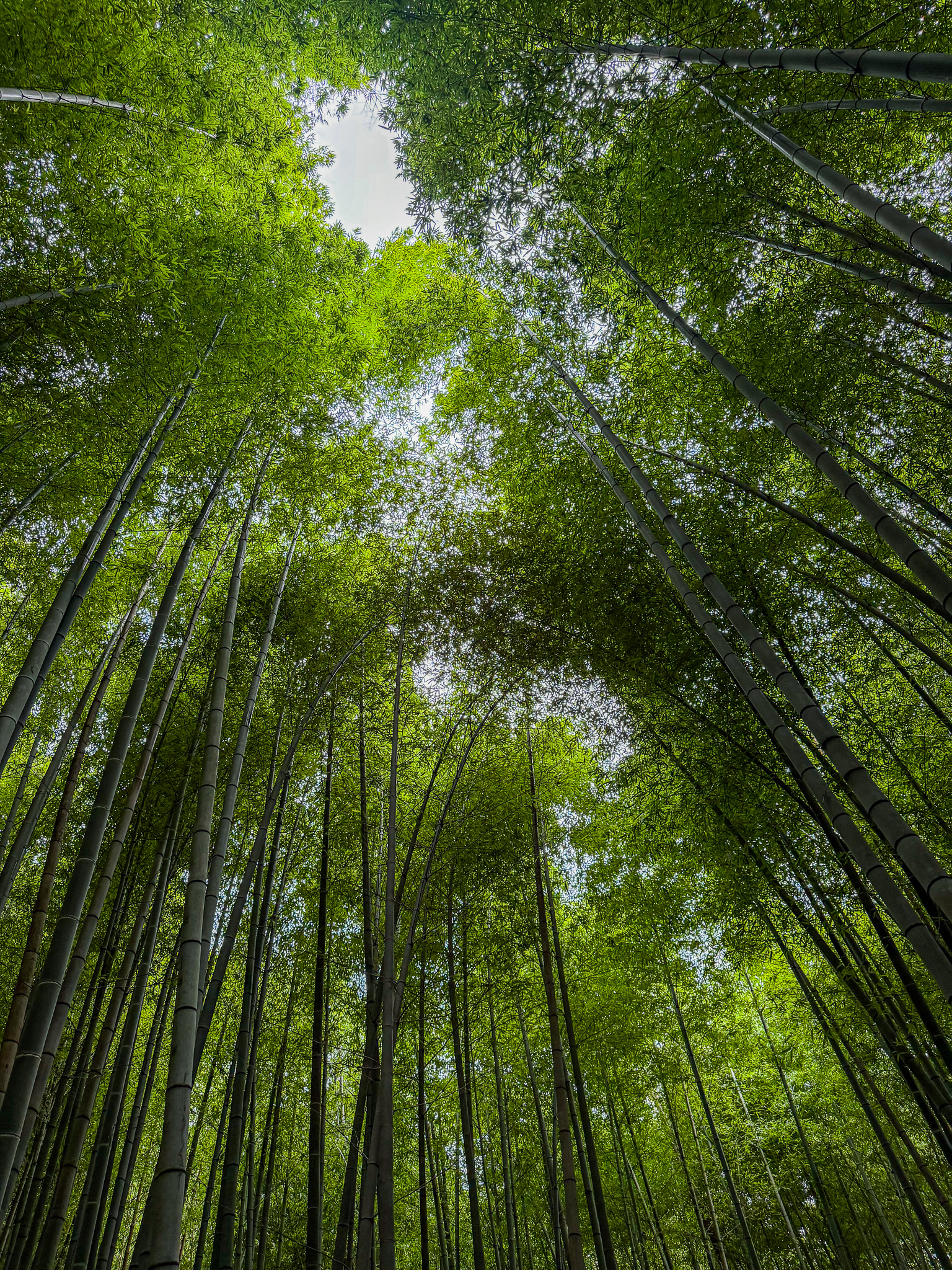
Ahopsan Forest was one of our favorite surprises in Busan. This isn’t just a pretty bamboo grove. The privately owned forest has been preserved by the same family for around 400 years and remained largely protected through the Japanese occupation, Korean War and Korea’s rapid industrialization before finally opening to the public in 2016.
It’s also a Korean filming location. The bamboo forest appeared prominently in the K-drama The King: Eternal Monarch, where it served as the mysterious gateway between parallel worlds, and other Korean dramas and movies have filmed here as well.
Our walk took around 40 minutes, and admission was ₩8,000 per person when we visited. There are two main bamboo forest sections, and our biggest tip is to keep going. The deeper we walked, the better it got. The second section was where we really felt completely immersed in the towering bamboo and was easily our favorite part of the forest.
→ TIP: Don’t take a few photos at the first bamboo section and turn around. The best part is deeper into the forest.
Explore Gamcheon Culture Village
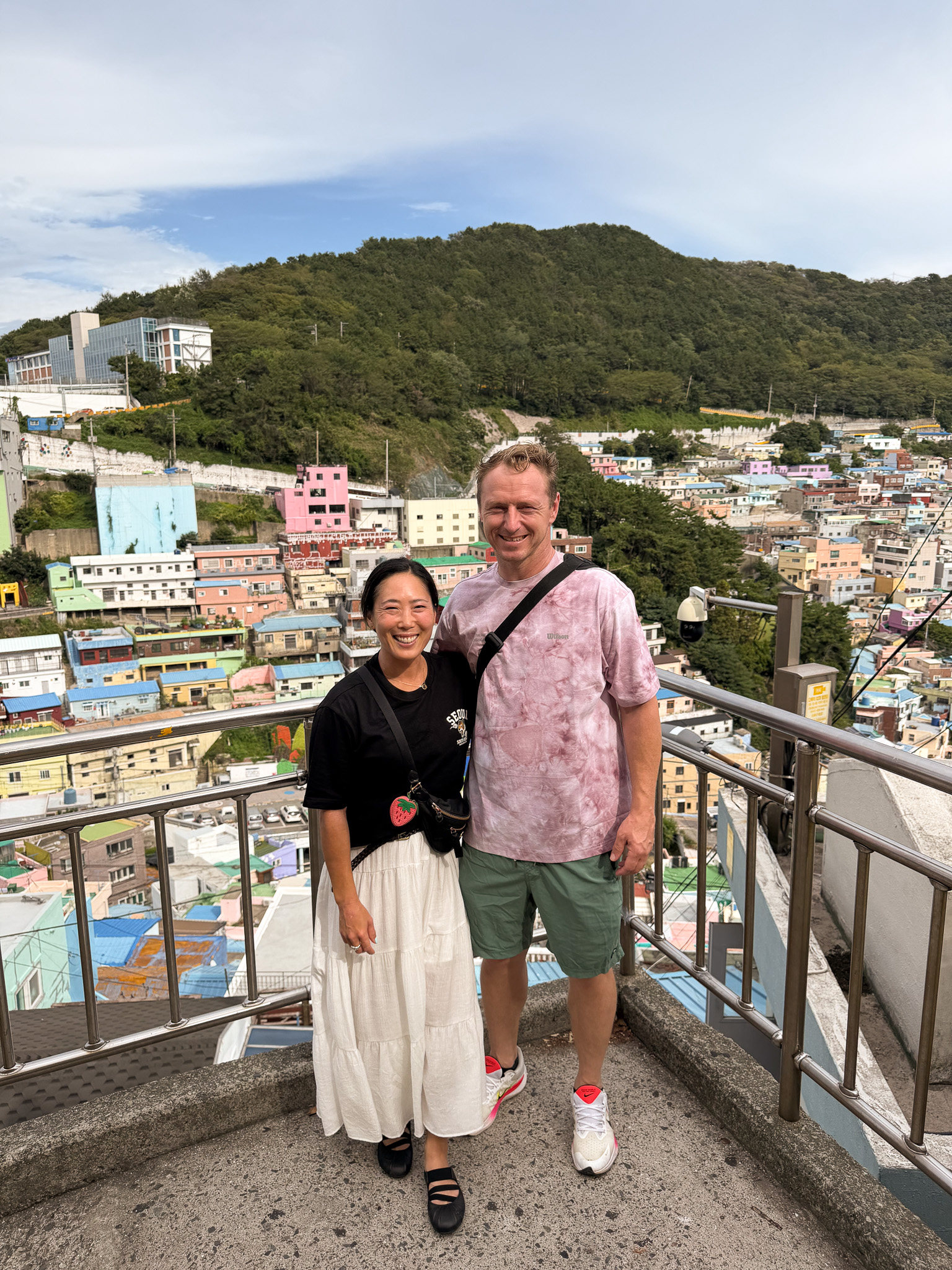
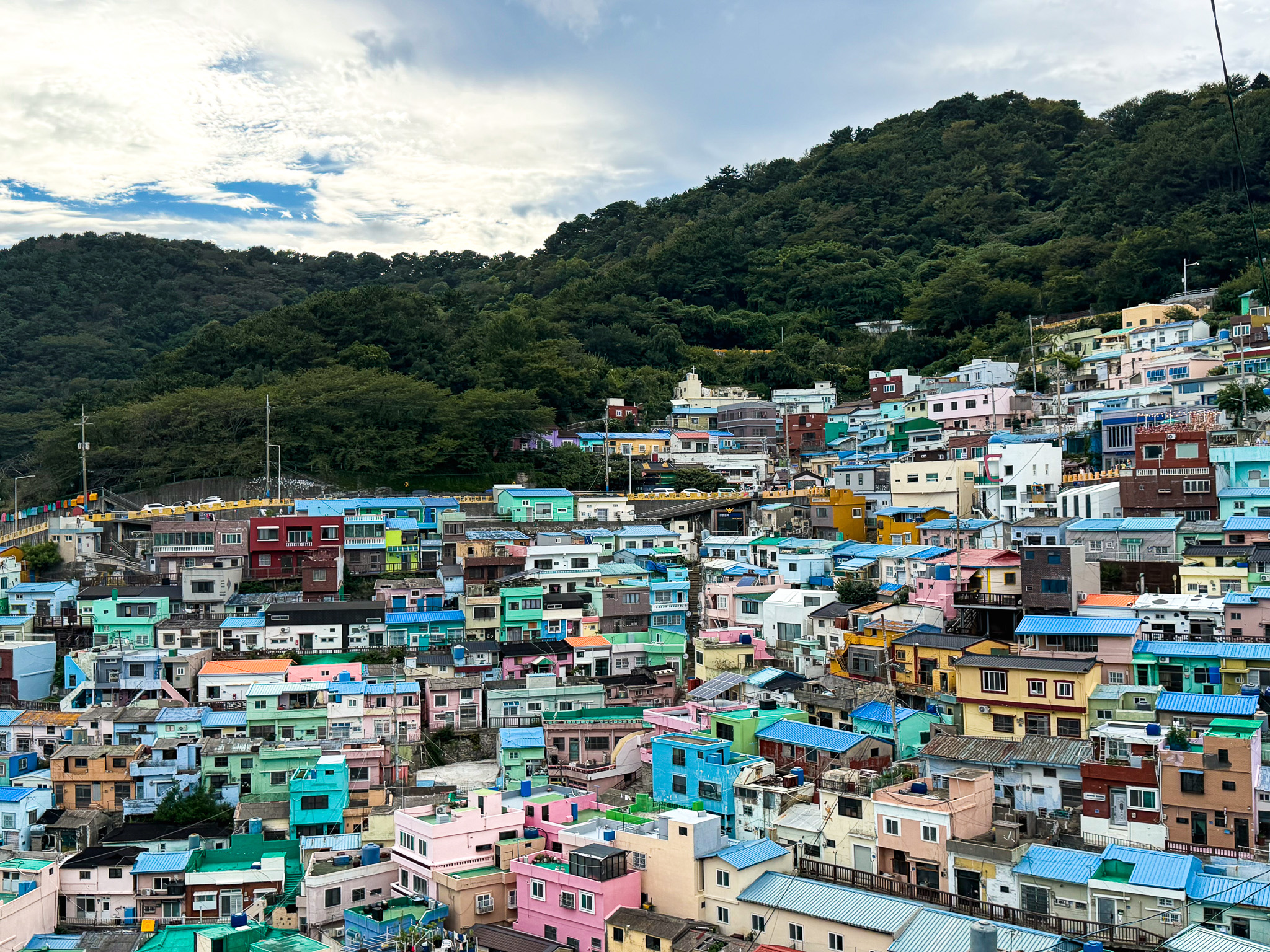
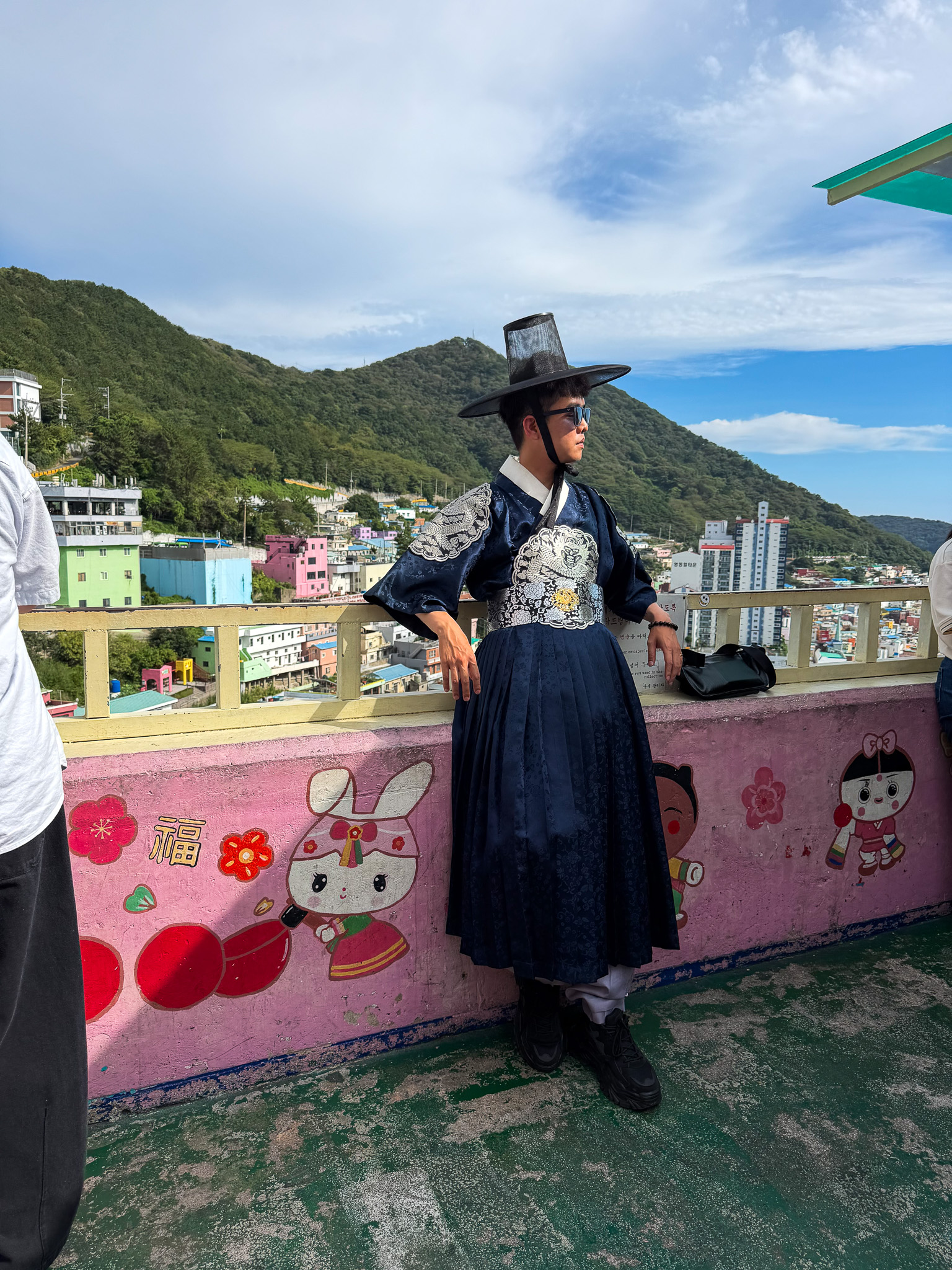
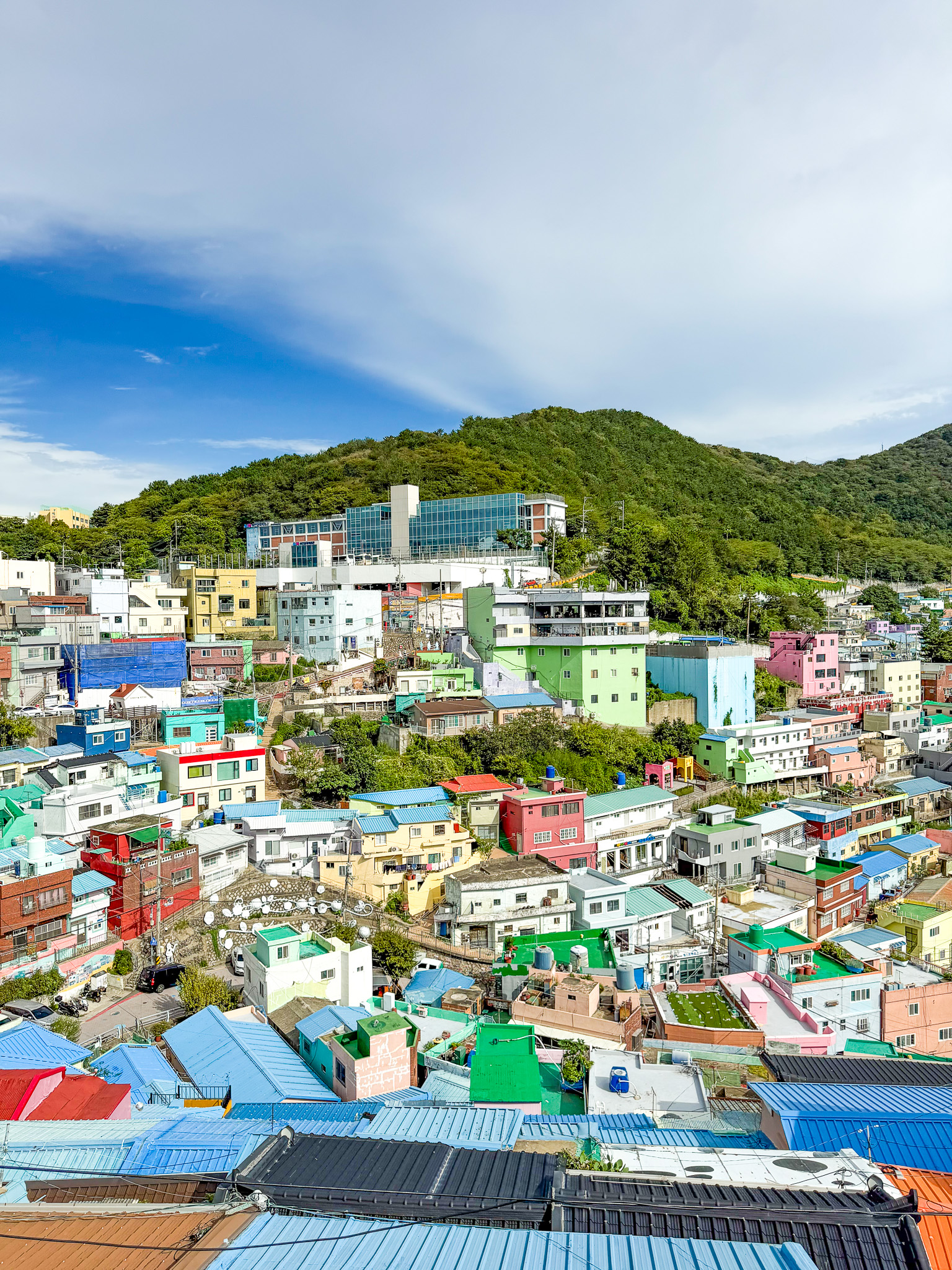
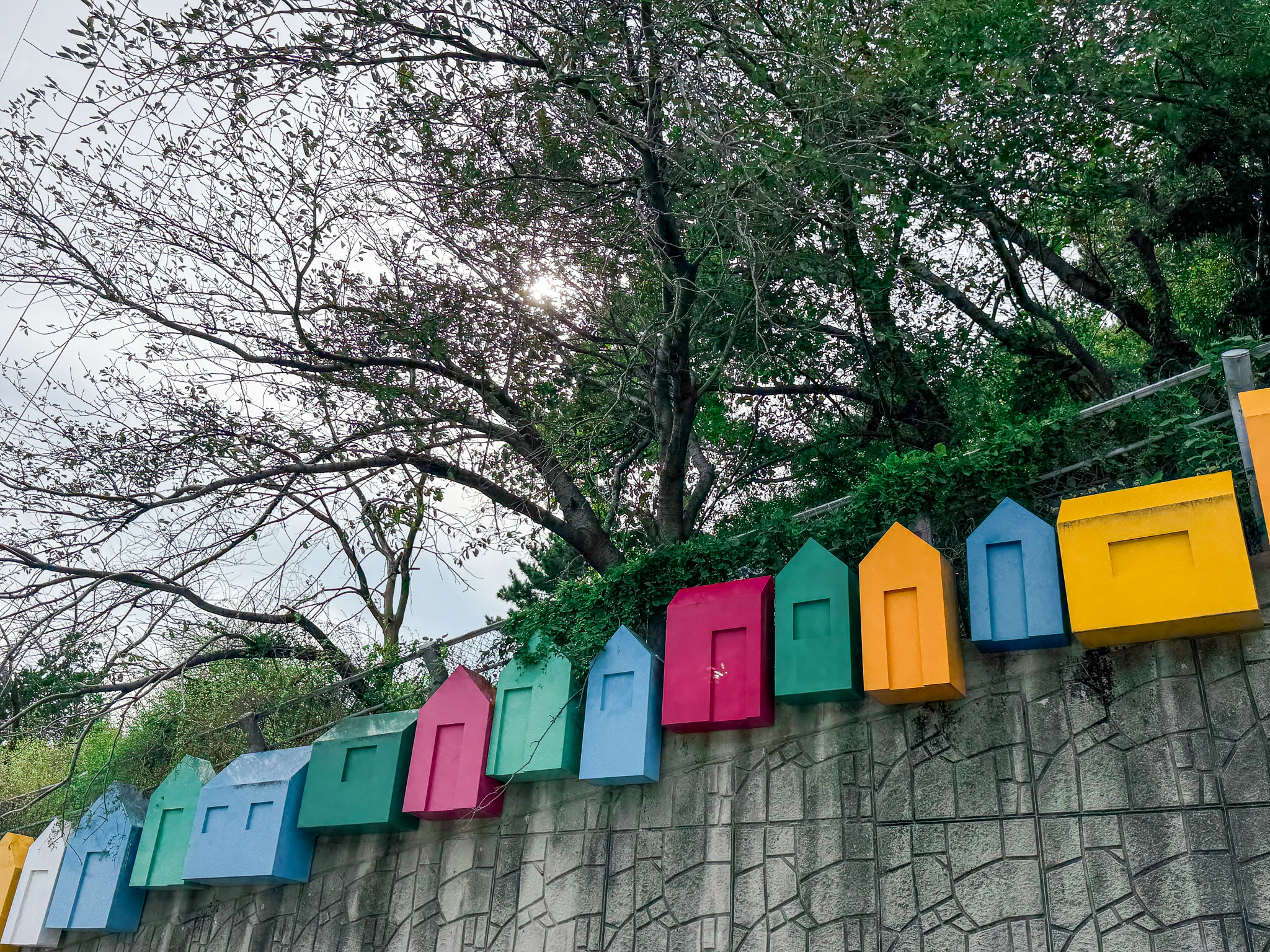
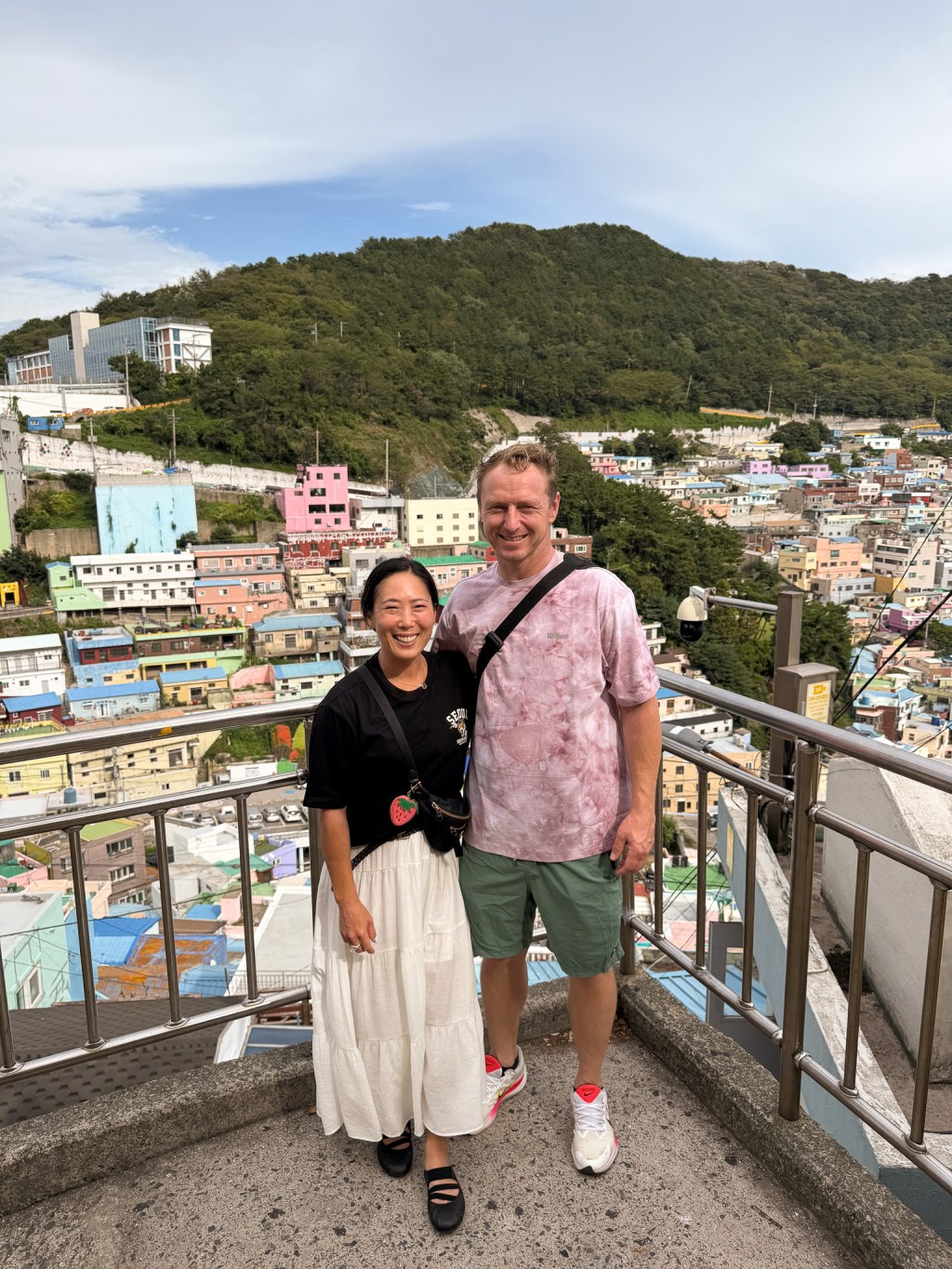
We’d heard Gamcheon Culture Village was really touristy, so we went in with fairly low expectations. We ended up really liking it. Colorful terraced houses packed the mountainside, with little shops, cafés, murals and viewpoints tucked throughout the narrow streets, and it didn’t feel nearly as busy or touristy as we’d expected.
There’s also much more history here than the colorful photos suggest. Gamcheon grew as Korean War refugees settled on the mountainside in the 1950s, building a community along its steep slopes. Decades later, an art project involving residents, artists and students helped transform the neighborhood into the colorful cultural village people visit today.
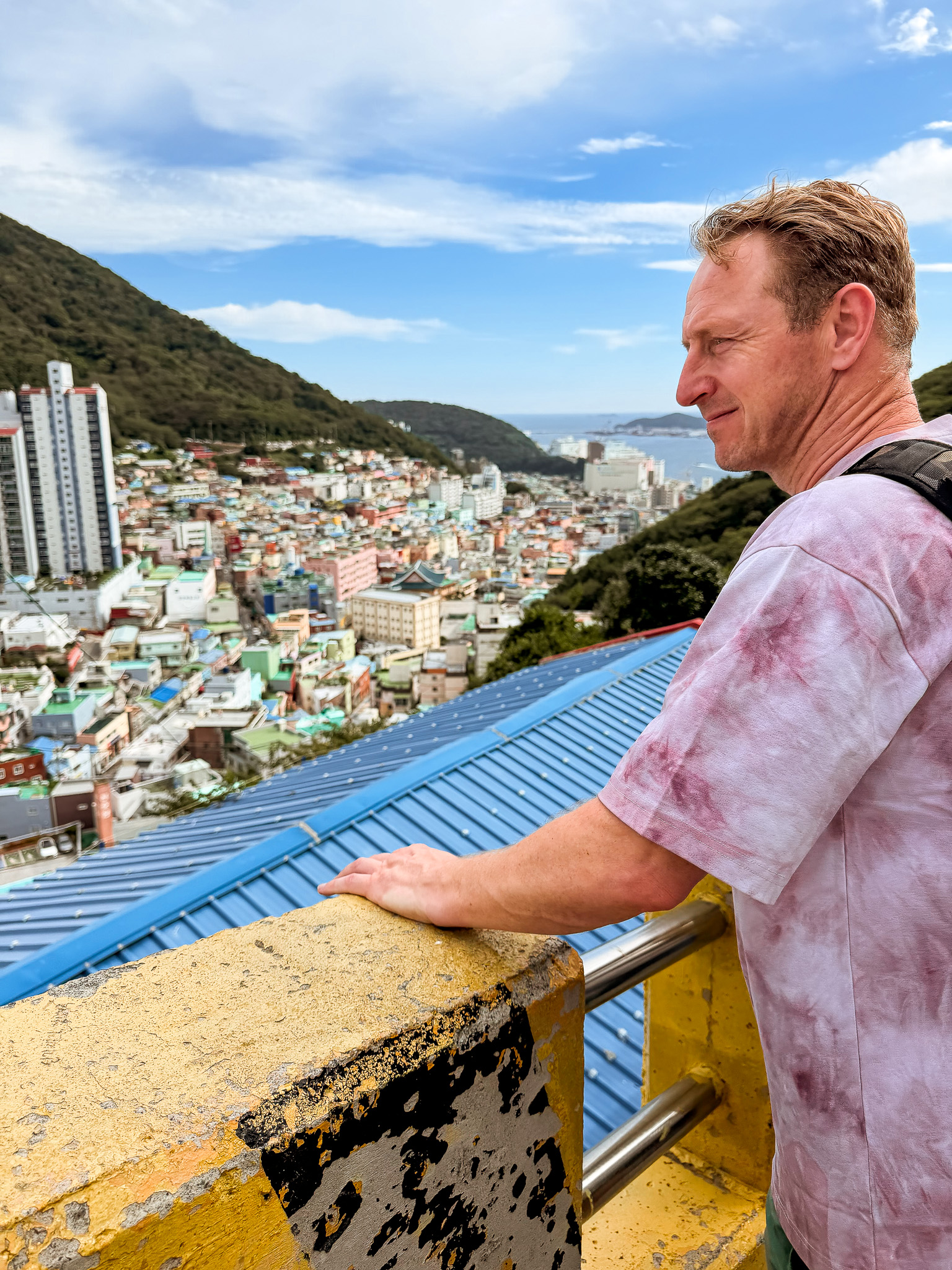
We could easily have spent half a day here. Our favorite views were from the far end of the route, Haneul Maru Observatory, and a surprisingly good viewpoint tucked down a street near the main entrance/parking area. With more time, we’d also buy the village’s stamp map, which is almost like a little Gamcheon passport. You follow a route through the alleys collecting stamps at different stops, giving you a reason to explore much more of the village than just the main street.
Stop at Han:Bok, a Traditional Hanok Café
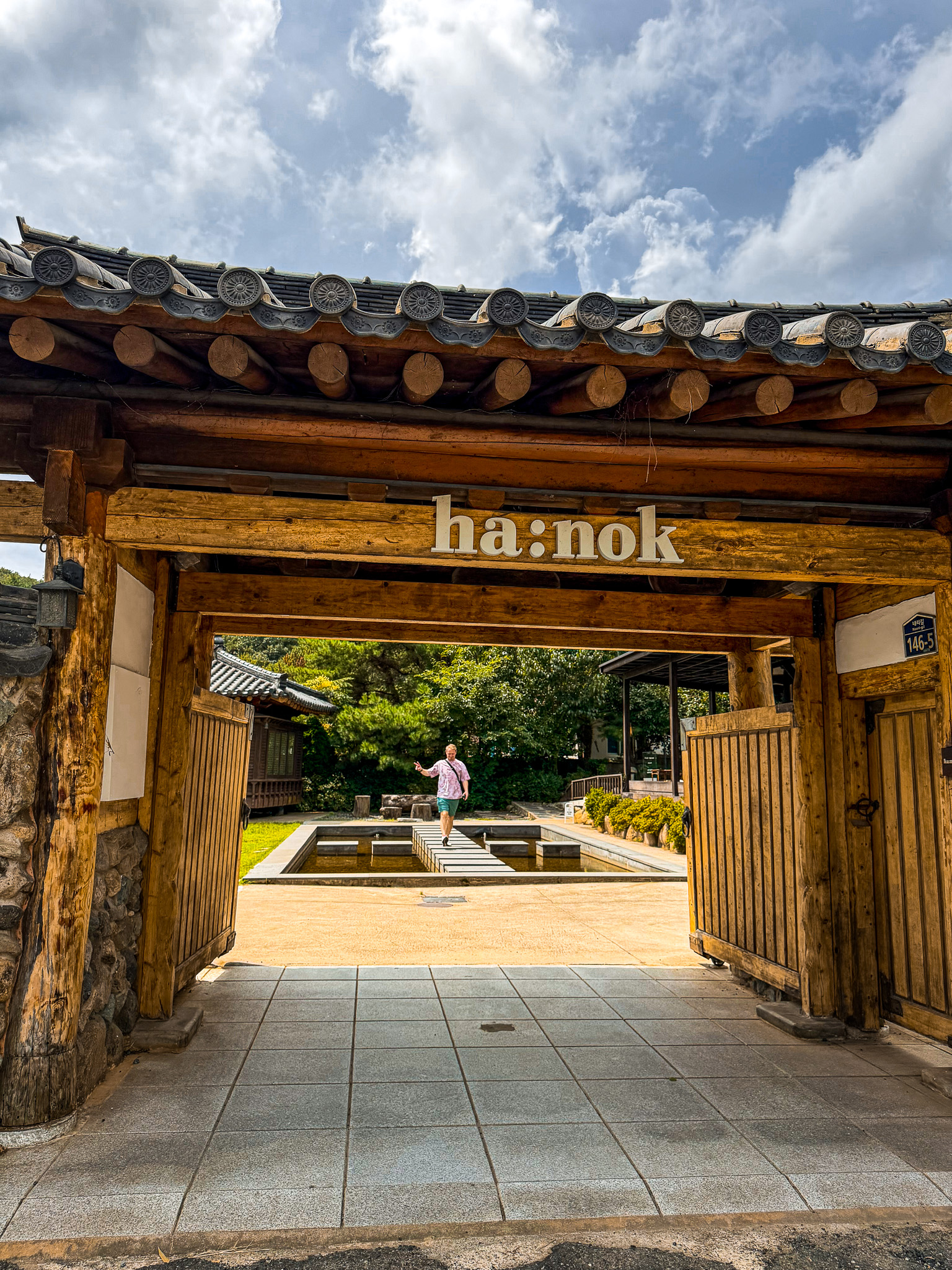
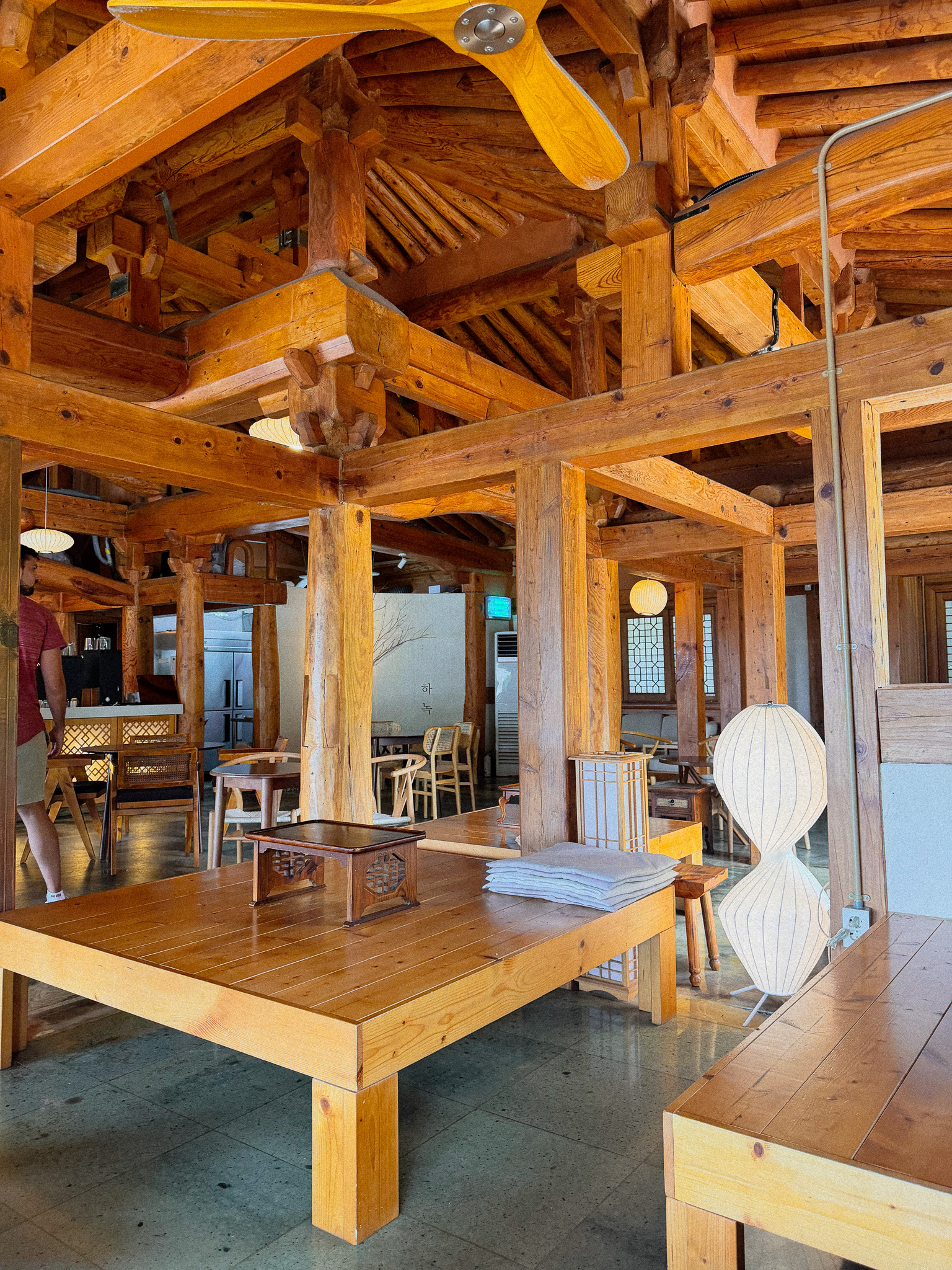
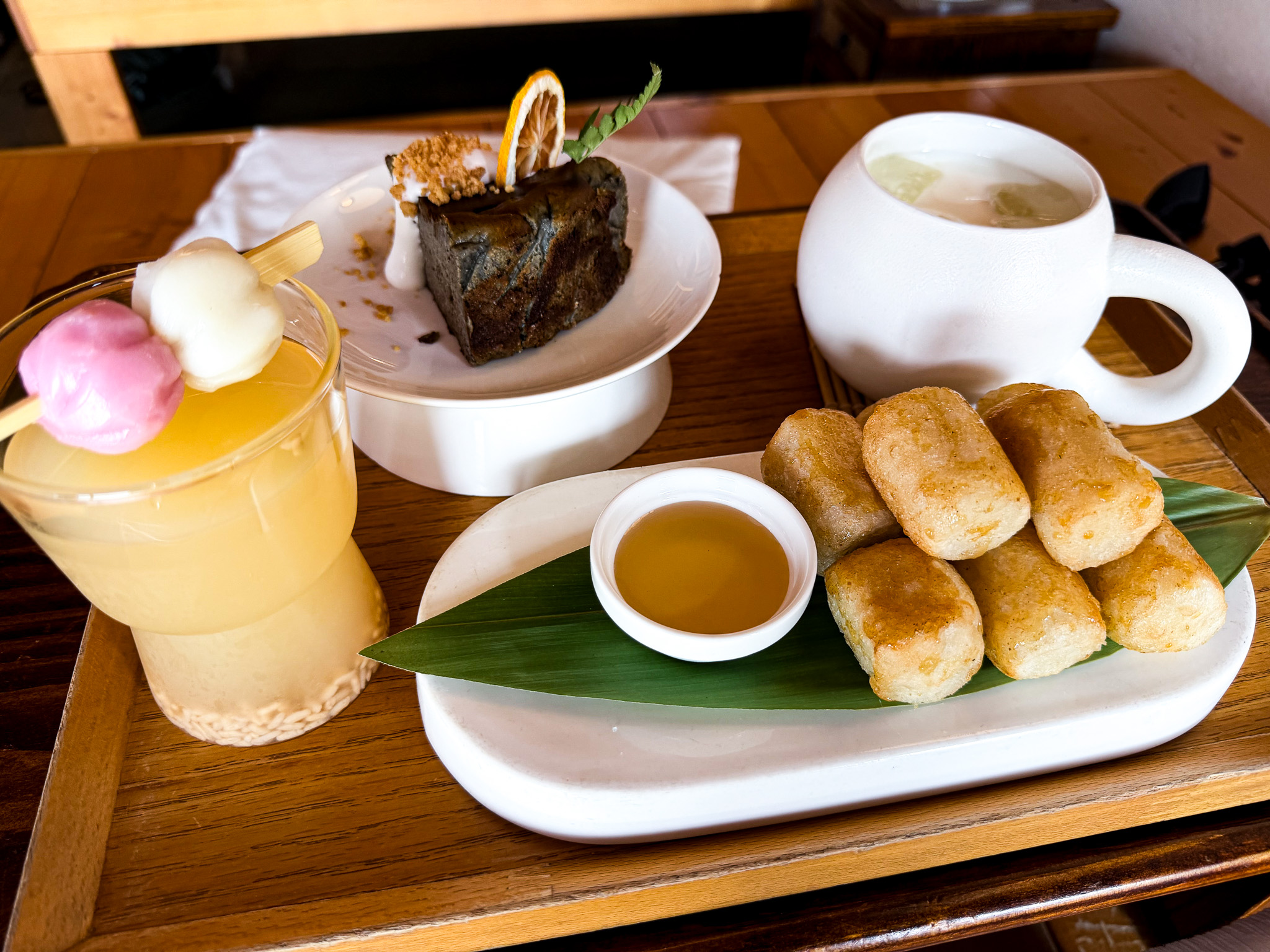
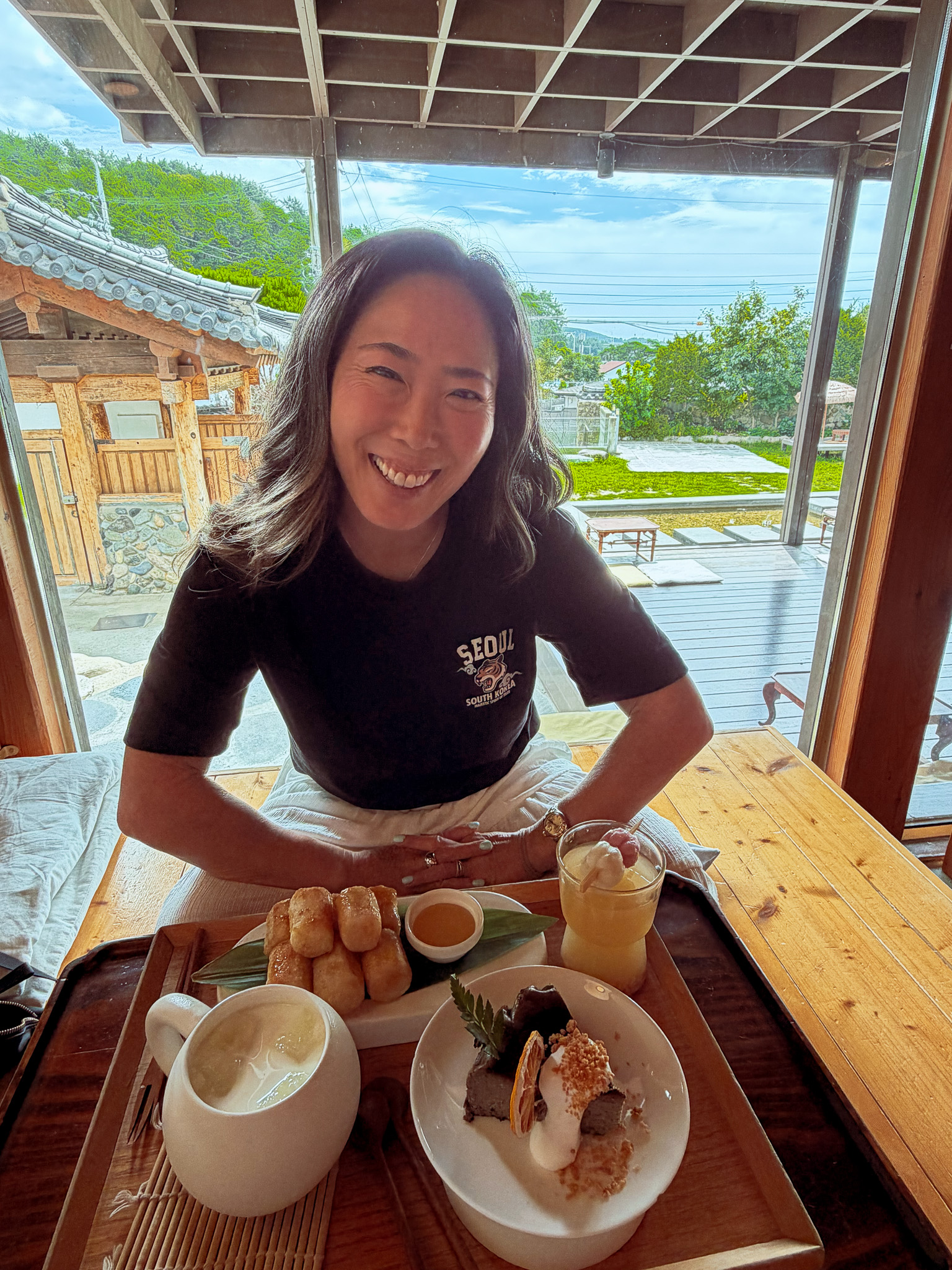
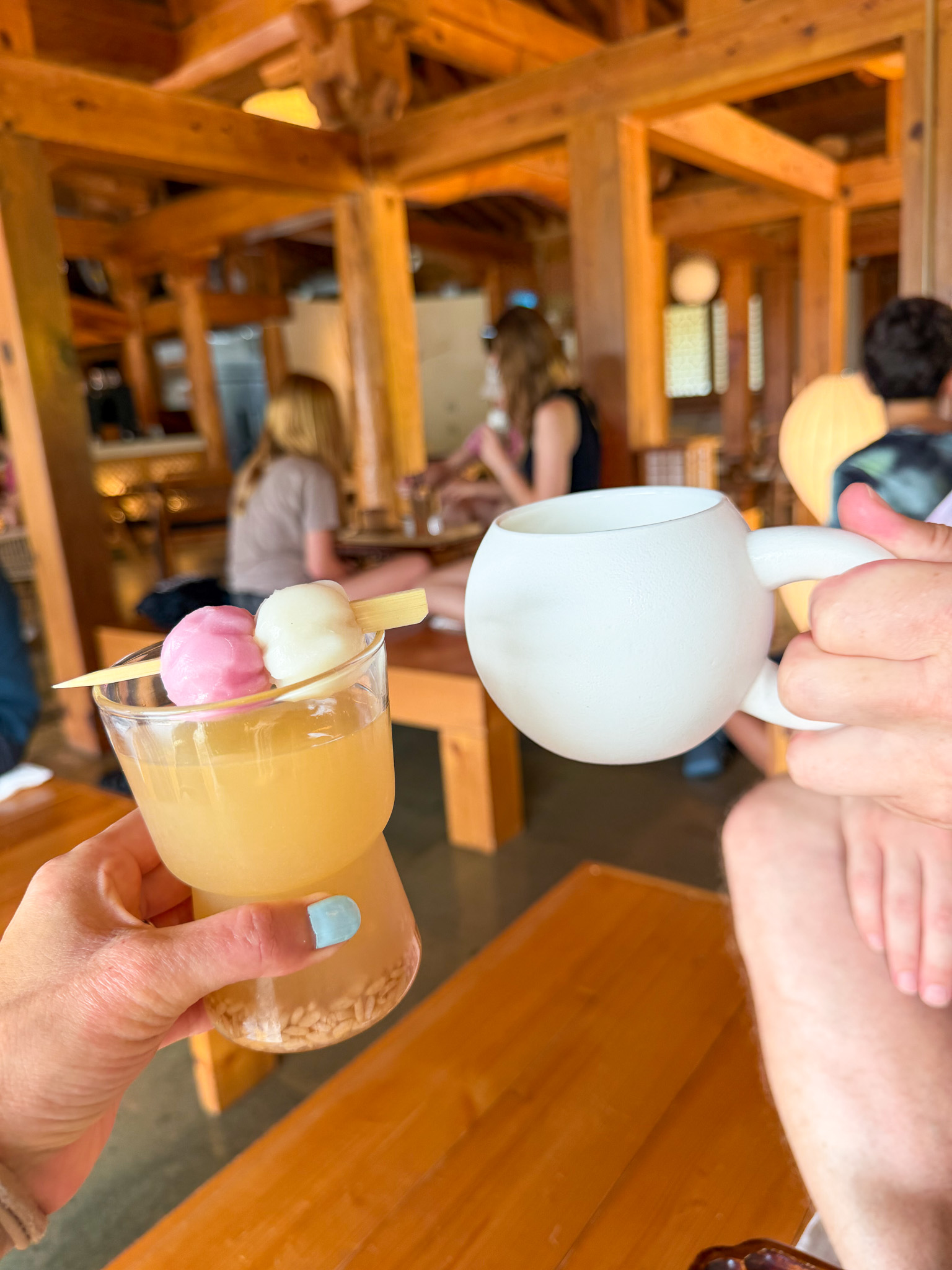
One of our unexpected favorite stops was Han:Bok, a café inside a traditional Korean house in a small town near the edge of Busan. We sat on floor mats and tried a traditional rice drink, rice cakes, and cheesecake, which were all delicious.
What made the stop particularly interesting was learning about the house itself. Our guide explained how the different levels of the home once reflected social hierarchy and how the shape of the structure followed the contours of the surrounding mountains. After so many modern cafés in Seoul, sitting inside a traditional Korean home was a really memorable change of pace.
🛍️ Shopping in Busan
Shinsegae Centum City
We went to Shinsegae Centum City, which Guinness World Records currently lists as the world’s largest department store, at a whopping 293,905 square meters. It genuinely felt like every brand under the sun was inside, so if you like shopping, you could easily spend hours here.
We’d also definitely recommend grabbing lunch here. Similar to the department stores in Japan, the food is legit. There are tons of options, from food-hall stands to proper sit-down restaurants, and we had an insanely good meal at one of the sit-down spots.

Olive Young + Delight Project
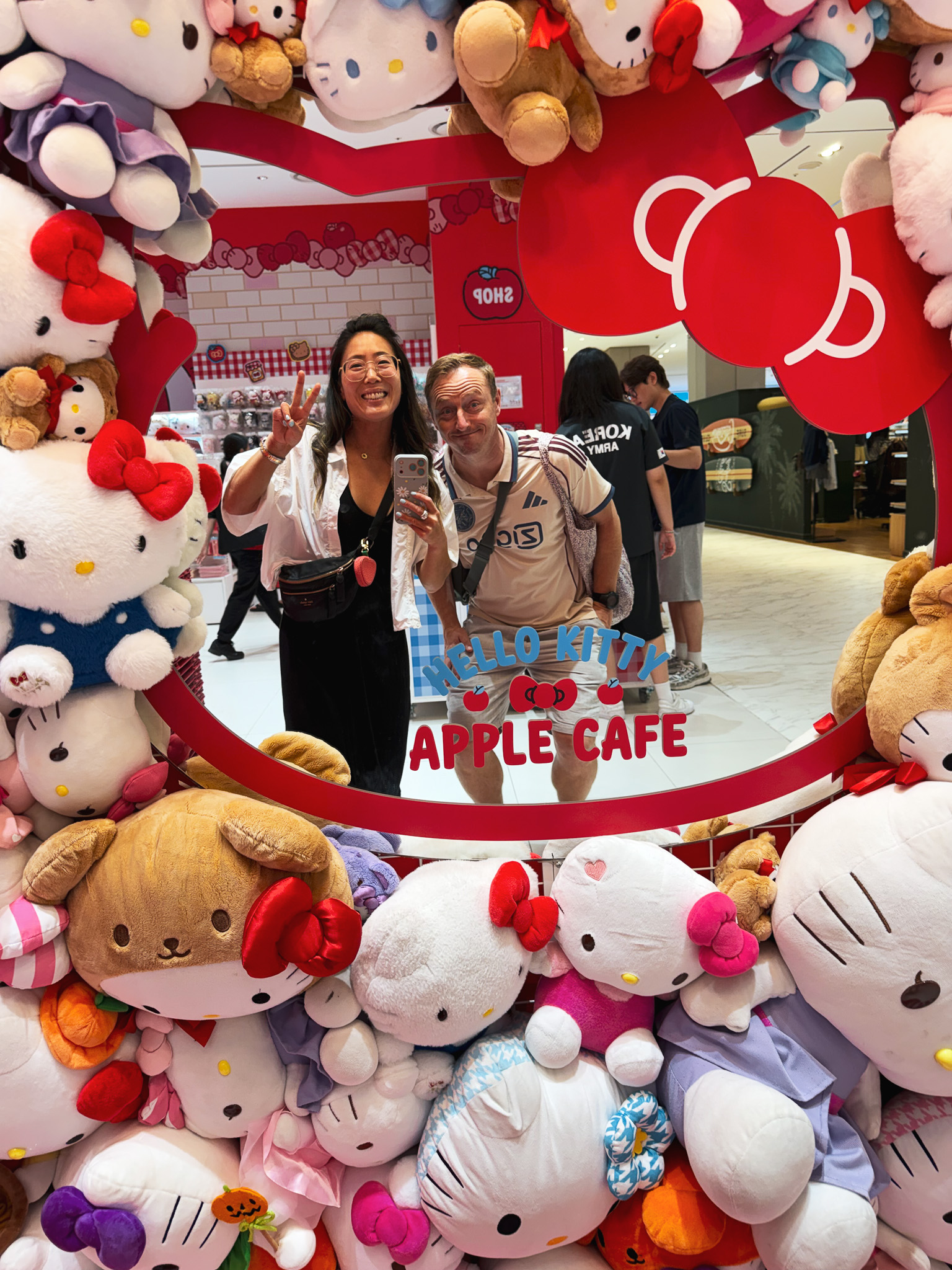
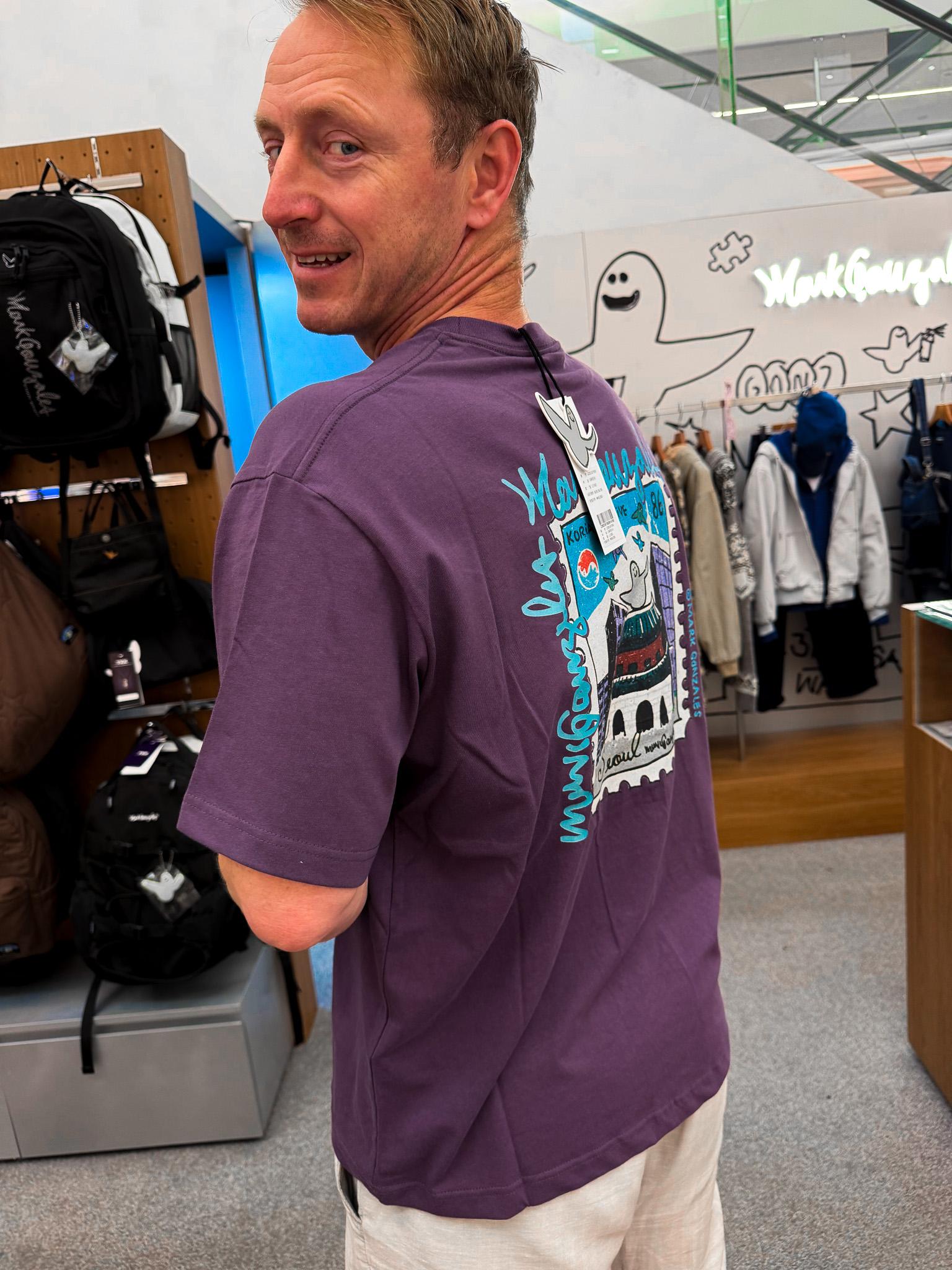
Obviously, our Korean Olive Young obsession continued in Busan. 😂 We visited the BIFF Square Olive Young, and we’d heard about a free vending machine there, but they were renovating that location. There was also a smaller Olive Young near our hotel.
But the real discovery for us was Delight Project, Olive Young’s snack brand. There are so many interesting options, but do yourself a favor and get the Jeju tangerine chips and thank us later. They’re whole slices of tangerine that are somehow magically freeze-dried into the lightest, crunchiest snack. They may genuinely be the best natural snack we’ve ever had.
🍜 What to Eat in Busan
Busan has several foods closely associated with the city, and we’d prioritize trying some of these local specialties over chasing specific famous restaurants.
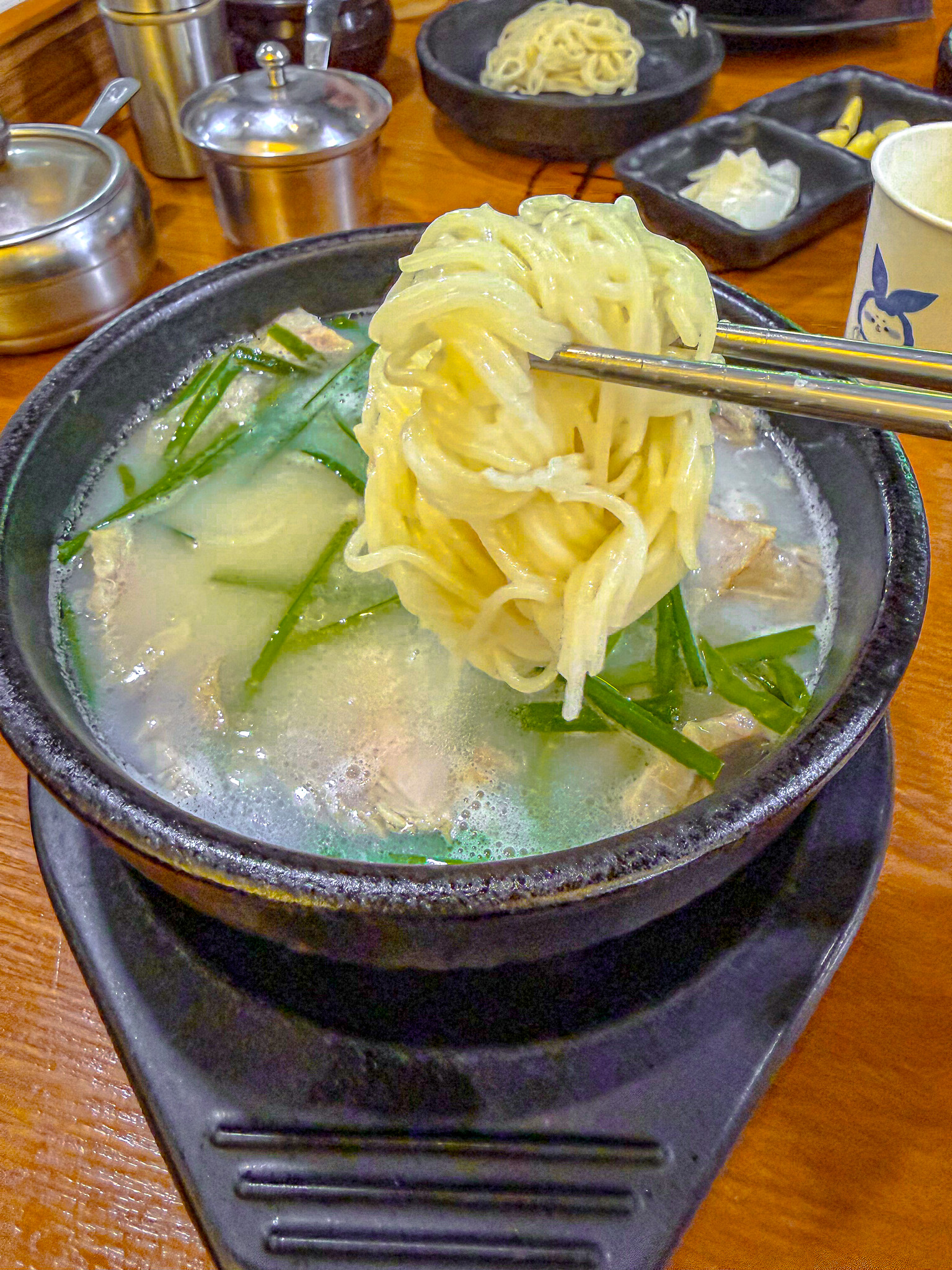
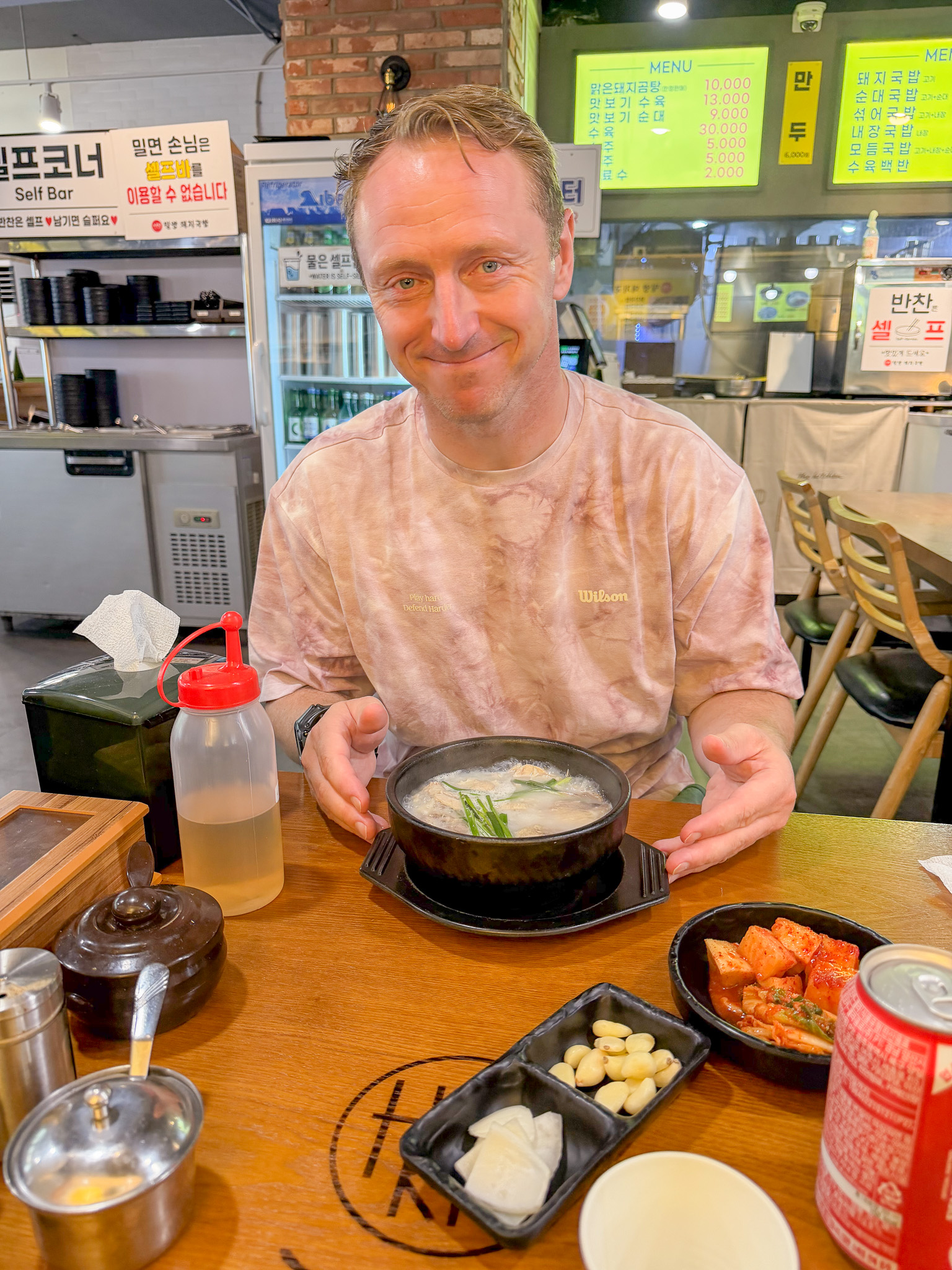
- Dwaeji gukbap (pork soup with rice): One food you absolutely should try. Our guide took us to a local spot and explained how the dish became closely associated with Busan during the Korean War, when refugees poured into the city and pork was easier to obtain than beef. The broth itself is actually pretty bland when it first arrives, because you’re meant to dress it up yourself. Add salted shrimp for saltiness, pepper, salt, and other fixings until it’s exactly how you like it, then mix in the rice. Once we understood that, the whole dish made a lot more sense.
- Ssiat hotteok: If you go to BIFF Square, this is a local specialty. Busan’s version of hotteok is a sweet, chewy pancake filled with sugar and seeds. The market itself wasn’t one of our favorites in Korea, but the ssiat hotteok is absolutely worth trying.
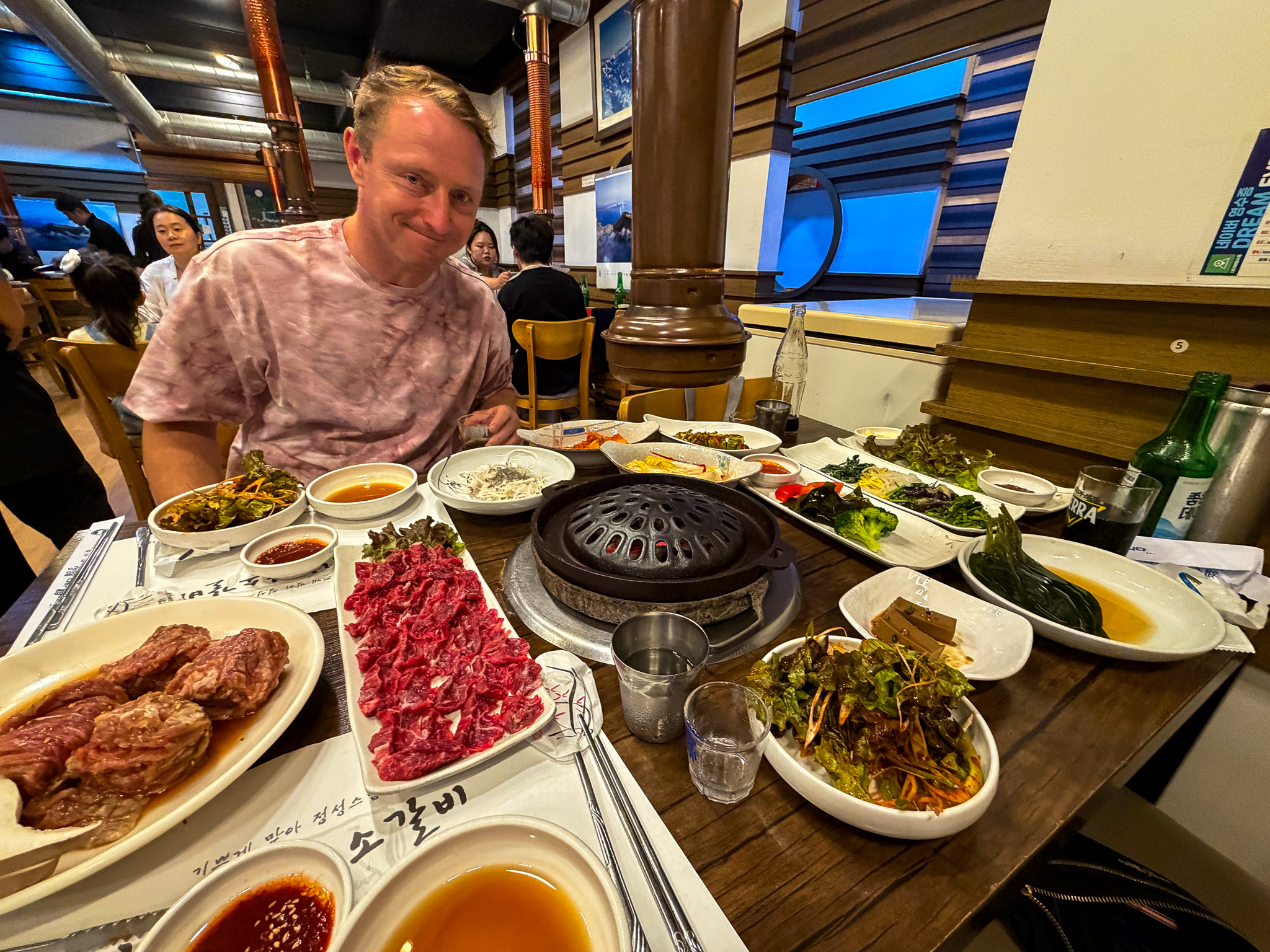
- Korean BBQ at Show Me the Gogi: This tiny hole-in-the-wall spot near Haeundae was such a great find. We ordered the mixed pork combination, which came with tons of extras including kimchi pancake, radish and spicy bean sprouts. The woman running it was incredibly kind, had a great sense of humor and cooked everything for us while showing us how to eat it. Dinner for two with soju was around $55 USD and we left completely stuffed.
- Milmyeon: We didn’t get to try this one, but it’s on our list for next time. These chewy wheat noodles are another Busan specialty with roots in the Korean War, when refugees adapted the cold noodle dishes they knew using wheat flour that was more readily available. You can order them in a cold broth or mixed with a spicy sauce.
- Busan eomuk (fish cakes): Another one we didn’t get to properly explore but would look for next time. Busan is famous for its fish cakes, which you’ll see at markets and specialty shops around the city. They’re an easy snack to add while you’re exploring.
- Somaek / soju bomb: If you want to really drink like a local, try a soju bomb, usually around 1/3 soju and 2/3 beer. It’s also called somaek, combining soju and maekju, the Korean word for beer. Not for everyone 😂. I actually prefer my soju on its own, but it’s fun to try once.
🤷 What We’d Skip in Busan
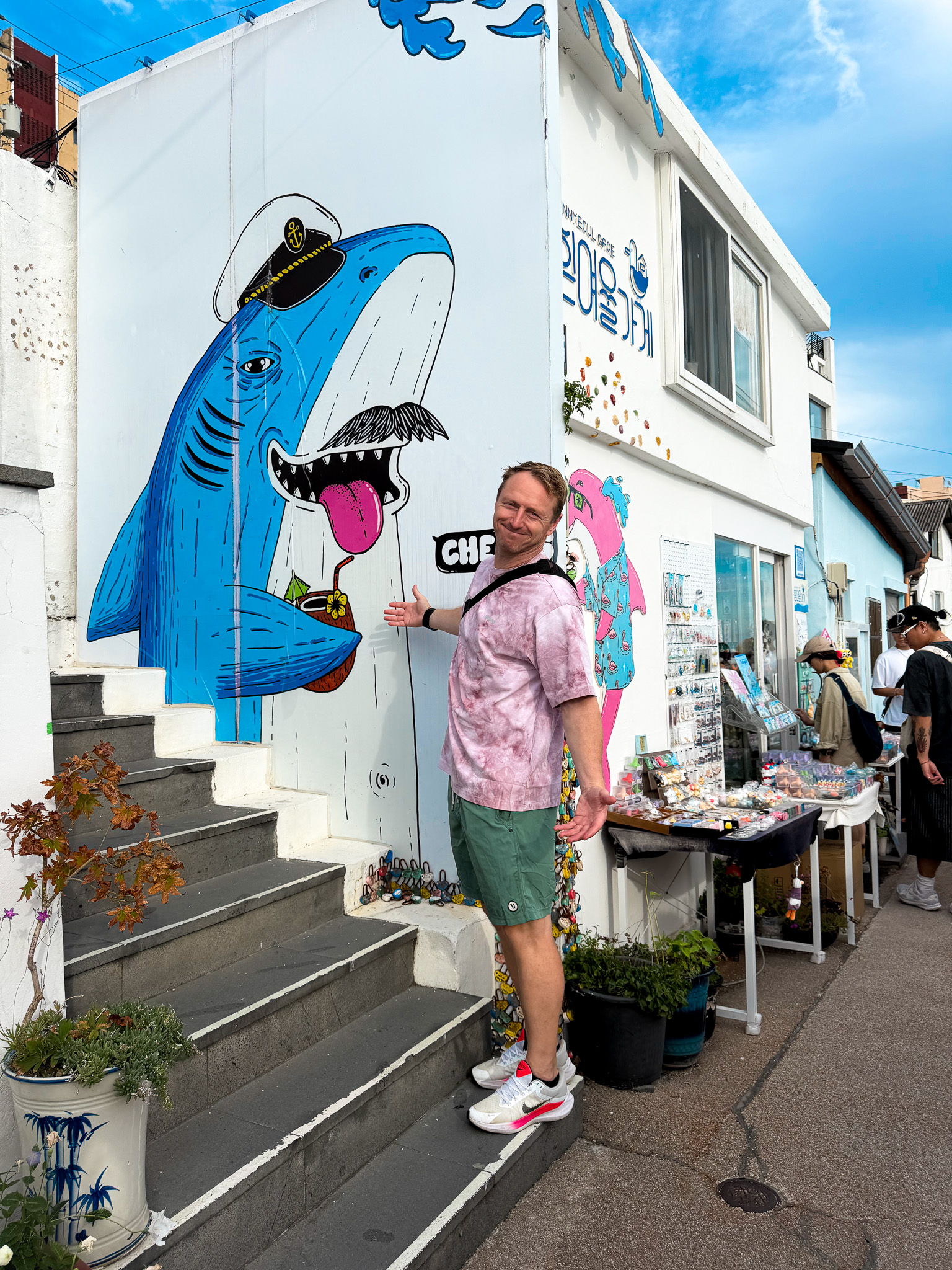
Huinnyeoul Culture Village
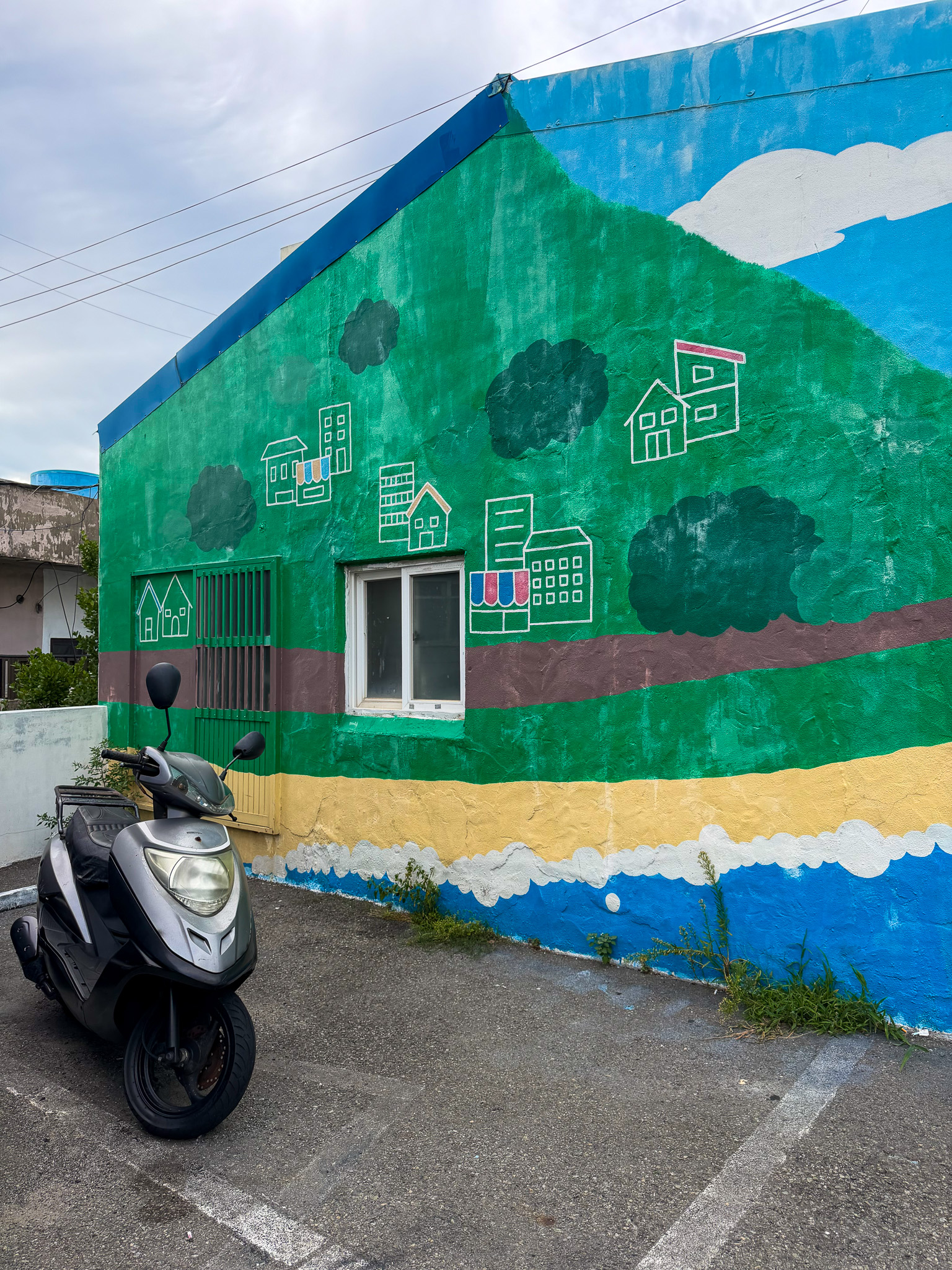
We’d seen Huinnyeoul Culture Village described as the “Santorini of Korea” and even heard people say they preferred it to Gamcheon. We definitely didn’t.
It’s right along the ocean, which is beautiful, but the upper path is narrow and can get annoying when you get stuck behind groups of people. There are shops and cafés along the way, but we didn’t think they were as interesting or cute as what we found in Gamcheon. The lower coastal path was also closed during our visit, and we do think having that open would have made the experience better.
If Huinnyeoul is included in your day tour, absolutely see it. But knowing what we know now, we wouldn’t go out of our way for it. We’d give that time to Gamcheon instead.
BIFF Square as a Destination
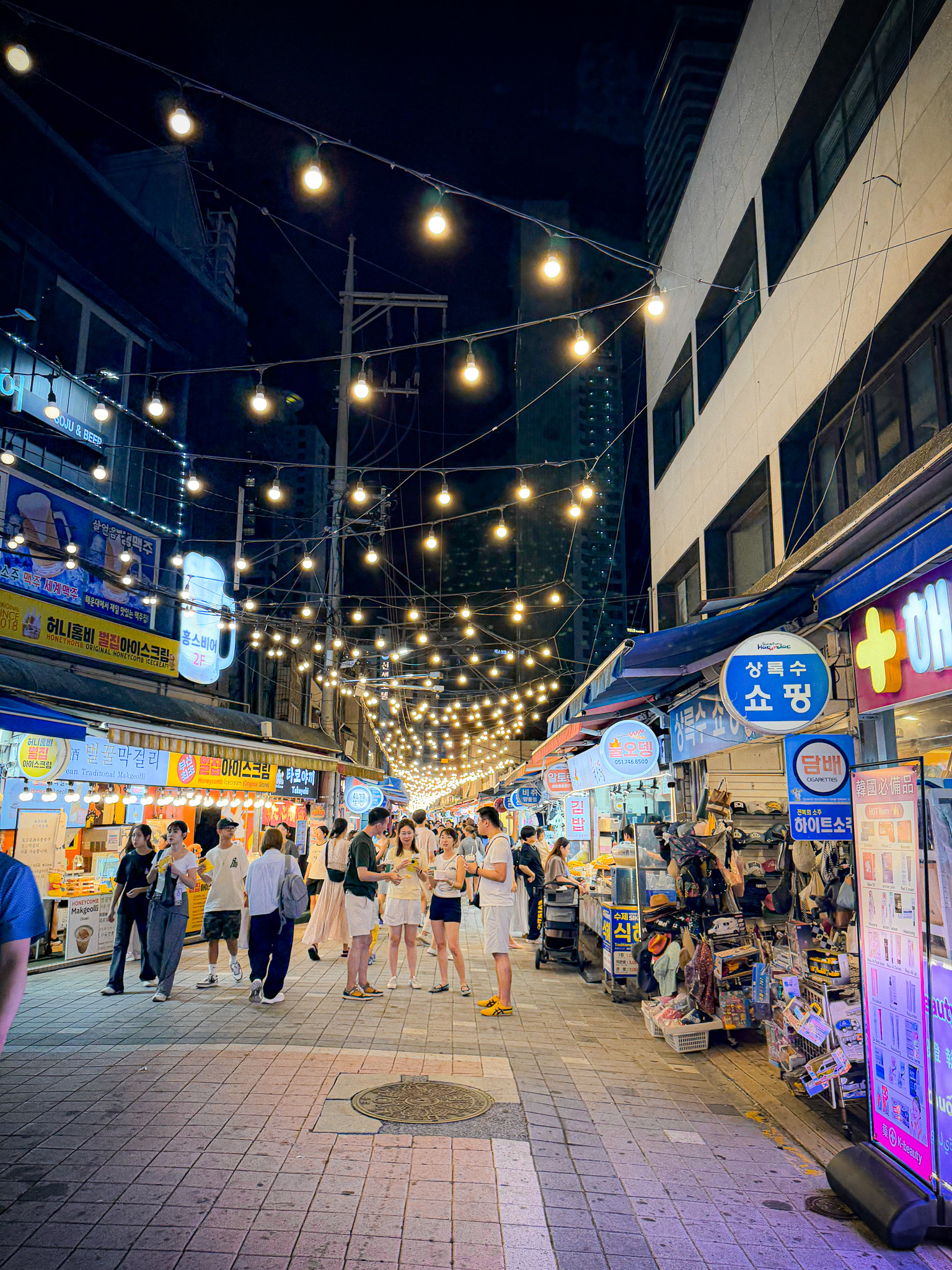
We wouldn’t exactly skip BIFF Square because the ssiat hotteok alone is worth stopping for, but we wouldn’t dedicate a big chunk of the day to the market either. We’d heard a lot about it before visiting and expected more, while Myeongdong’s night market in Seoul was much more fun for us.
Go, eat the hotteok, wander a little and move on.
📌 Things We Didn’t Get To But Would Still Consider
We barely scratched the surface of Busan in two nights. These are the places and experiences we’d keep on our list for next time:
- Gwangalli Beach: Probably our biggest miss. We’d go around sunset, have dinner or drinks overlooking the water and stay to see Gwangandaegyo Bridge lit up at night. If your trip overlaps with one of the Gwangalli M Drone Light Shows at the beach, even better.
- Taejongdae: One of Busan’s classic nature spots on Yeongdo, with forest, dramatic coastal cliffs and huge ocean views. You can hike through the park or use the Danubi sightseeing train to get between the main viewpoints. We’d probably combine this with Bokcheonsa Temple and make a half or full day out of Yeongdo.
- Songdo Beach + Busan Air Cruise: Songdo opened in 1913 as Korea’s first public beach, but what would really bring us here is the cable car over the ocean. We’d combine it with the coastal walks and viewpoints around Songdo rather than coming just for another beach day.
- Bokcheonsa Temple: We had this temple in Yeongdo saved specifically for its views, especially around sunset. We didn’t make it there, but it’s staying on our list for a future trip.
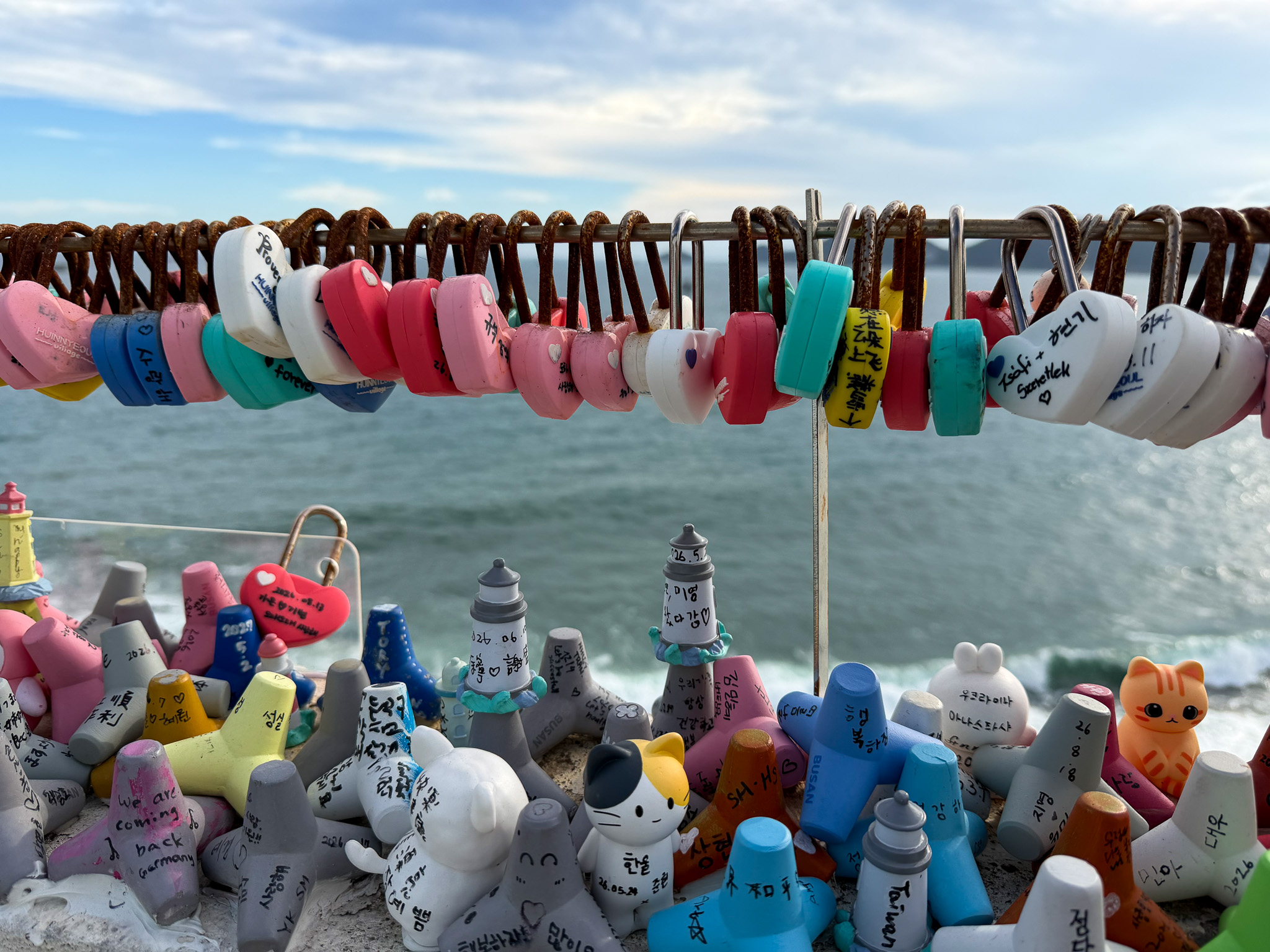
- Haeundae to Cheongsapo Coastal Walk: This was actually our plan for our final morning. We wanted to walk along Haeundae Beach toward Mipo, follow the Blue Line Coastal Trail to Cheongsapo, see the twin lighthouses and Daritdol Skywalk and stop for grilled seafood. Then we woke up to pouring rain and slept in instead. 😂
- Ocean-view foot-bath café: We had one saved where you could soak your feet overlooking the ocean for around 30 minutes for roughly $12, with walk-ins available. After walking all over Korea, this sounded fantastic. We simply ran out of time.
- More time in Gamcheon: Rather than simply checking off another attraction, we’d happily come back and spend half a day exploring Gamcheon’s smaller streets, shops and viewpoints and doing the stamp-map passport route.
Between all of these, more beach time, cafés and the places we already loved, five days in Busan suddenly doesn’t sound like much at all.
🗓️ Our Ideal 2-Day Busan Itinerary
Knowing what we know now, here’s how we’d spend two full days in Busan.
Day 1: Busan Day Tour. Book a small-group tour that combines the Sky Capsule, Haedong Yonggungsa Temple, Ahopsan Forest and Gamcheon Culture Village. If it includes a traditional market, hanok café or Huinnyeoul too, great, but those wouldn’t be our priorities. This is the easiest way to knock out several of Busan’s spread-out attractions without renting a car.
Day 2: Haeundae + Coastal Busan. Start with a walk along Haeundae Beach toward Mipo and continue toward Cheongsapo. Stop at the lighthouses, Daritdol Skywalk and an ocean-view café. Add the foot-bath café if your feet need it, then spend the afternoon at Shinsegae Centum City if you want to shop or head toward Yeongdo if you’d rather keep sightseeing. For the evening, we’d head to Gwangalli Beach around sunset for dinner, drinks and the nighttime bridge views.
If Gamcheon isn’t included in your tour, we’d put it on Day 2 and give it at least a couple of hours. And if you have more time, use it. Busan is easily somewhere we could spend five days or more, slowing down along the coast, giving Gamcheon half a day, café hopping and actually spending some time at the beach.
🚇 Getting Around Busan
Busan has a good metro and bus system, and if you’re coming from Seoul, keep your T-money card because you can continue using it for public transportation in Busan. We also used taxis, which were convenient when we didn’t want to deal with multiple transfers.
But transportation is also the reason we keep coming back to the day-tour recommendation. Busan’s major attractions are scattered across a huge area. For one concentrated sightseeing day, letting someone else handle the logistics was absolutely worth it.
Download These Apps Before You Go
Just like Seoul, don’t rely on Google Maps for everything in South Korea. We’d download Naver Map or KakaoMap for directions and transit, Papago for Korean translation and Kakao T for taxis. If you’re traveling through multiple Korean cities, you can use the same apps and T-money card throughout the trip.
We also found ChatGPT surprisingly useful throughout Korea, especially for translating signs and menus, figuring out what to order, and getting restaurant and shopping recommendations based on exactly where we were at the time.
💳 Cash & Credit Cards
We used credit cards for most things in Busan, but we’d still carry some Korean won. Markets, small food stalls and some ticket purchases are where cash can still come in handy.
→ TIP: There’s no tipping culture in South Korea, so you don’t need to add anything at restaurants, hotels or in taxis.
🌡️ Visiting Busan in August
Busan in August was hot and humid, just like Seoul, although being along the coast helped at times. We were outside for a lot of our tour day, so lightweight clothes, sunscreen, water and comfortable shoes were essential.
And then, because summer weather likes to keep you humble, our final morning was a complete washout from heavy rain. If you’re visiting during summer, we’d avoid making every part of your itinerary weather dependent. Having something like Shinsegae Centum City in your back pocket gives you a very easy indoor Plan B.
Busan surprised us. We knew we’d like the ocean and were excited about the Sky Capsule, but we didn’t expect Ahopsan Forest to be one of our favorite stops, Gamcheon to be better than its touristy reputation or the day tour to be one of the smartest decisions we made.
If Seoul is about neighborhoods, shopping, palaces and big-city energy, Busan is where we’d go for coastline, temples, colorful hillsides and a completely different side of Korea.
And next time, we’re booking that Sky Capsule for sunset…and finally getting that foot bath.



Leave a Reply