After nearly two years of living car-free in Porto, we finally bought a car! Here’s what surprised us about dealerships, negotiating, financing, leasing, and going electric in Portugal.
Quick takeaways
- Dealerships carry very little inventory, so call ahead to confirm the model and configuration you want.
- Get quotes from several dealerships. Our favorite matched a competitor’s lower price.
- End-of-quarter manufacturer campaigns saved us €3,500.
- Financing through the dealer’s partner bank can lower the purchase price, but compare the total cost.
- Paying by credit card came with a 4% fee, and large cash payments aren’t allowed.
- Fully electric cars are exempt from ISV and IUC for private buyers.
Why We Decided to Buy a Car After Almost Two Years in Portugal
When we moved to Porto in December 2024, we decided to try living without a car, and we’ve loved it! If you live in central Porto, you really don’t need one. Between walking, public transportation, and the occasional Uber or Bolt, we’ve managed just fine.
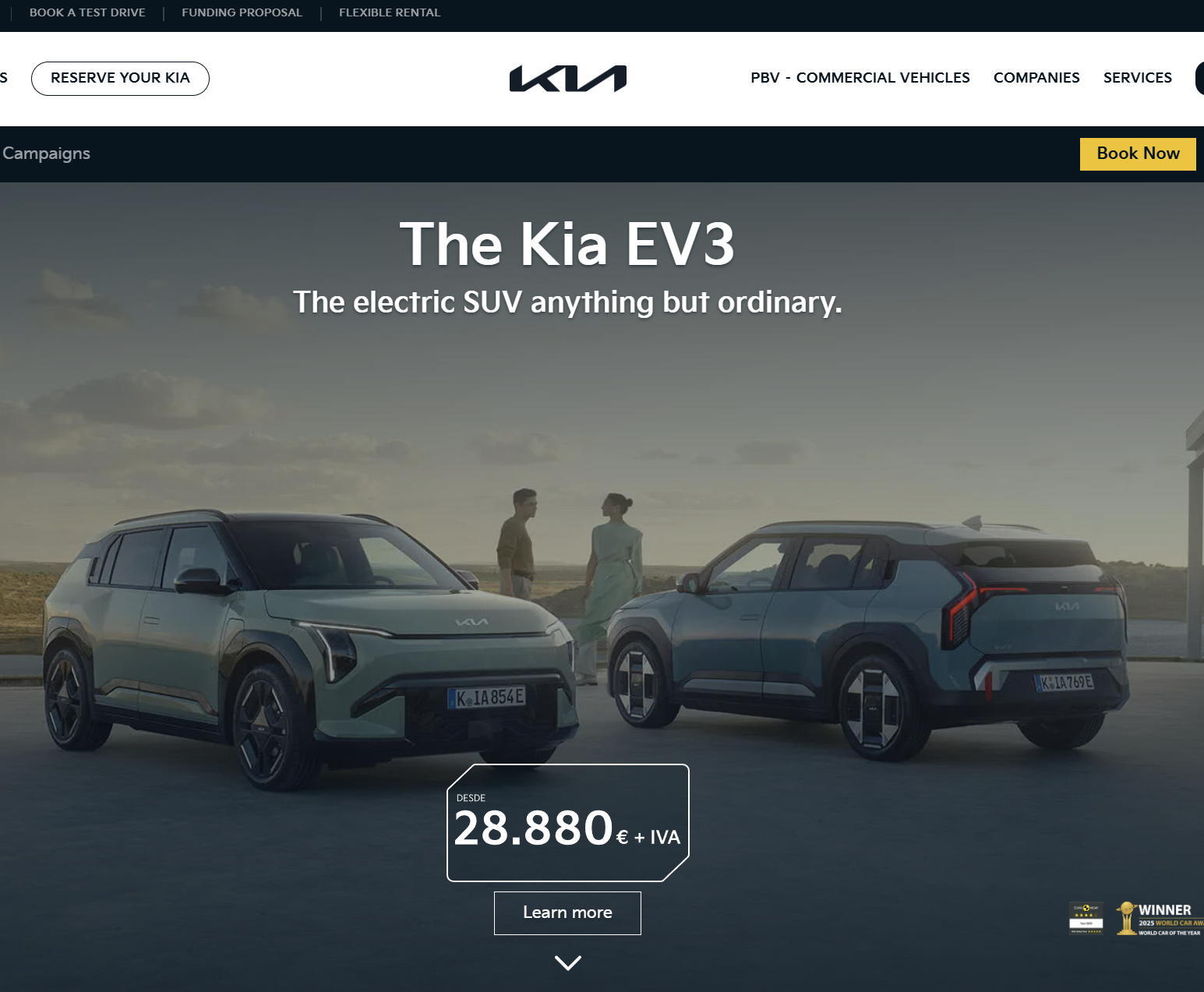
But with all the exploring we’ve been doing around Portugal (and beyond!), plus tennis and everyday errands, we started to see how having our own car could make life easier. So after plenty of research, several dealership visits, and a lot of debate over electric vs. hybrid, we chose a fully electric Kia EV3!
Along the way, we learned quite a few things about buying a car in Portugal.

1. Don’t Expect Huge Dealership Lots Full of Cars
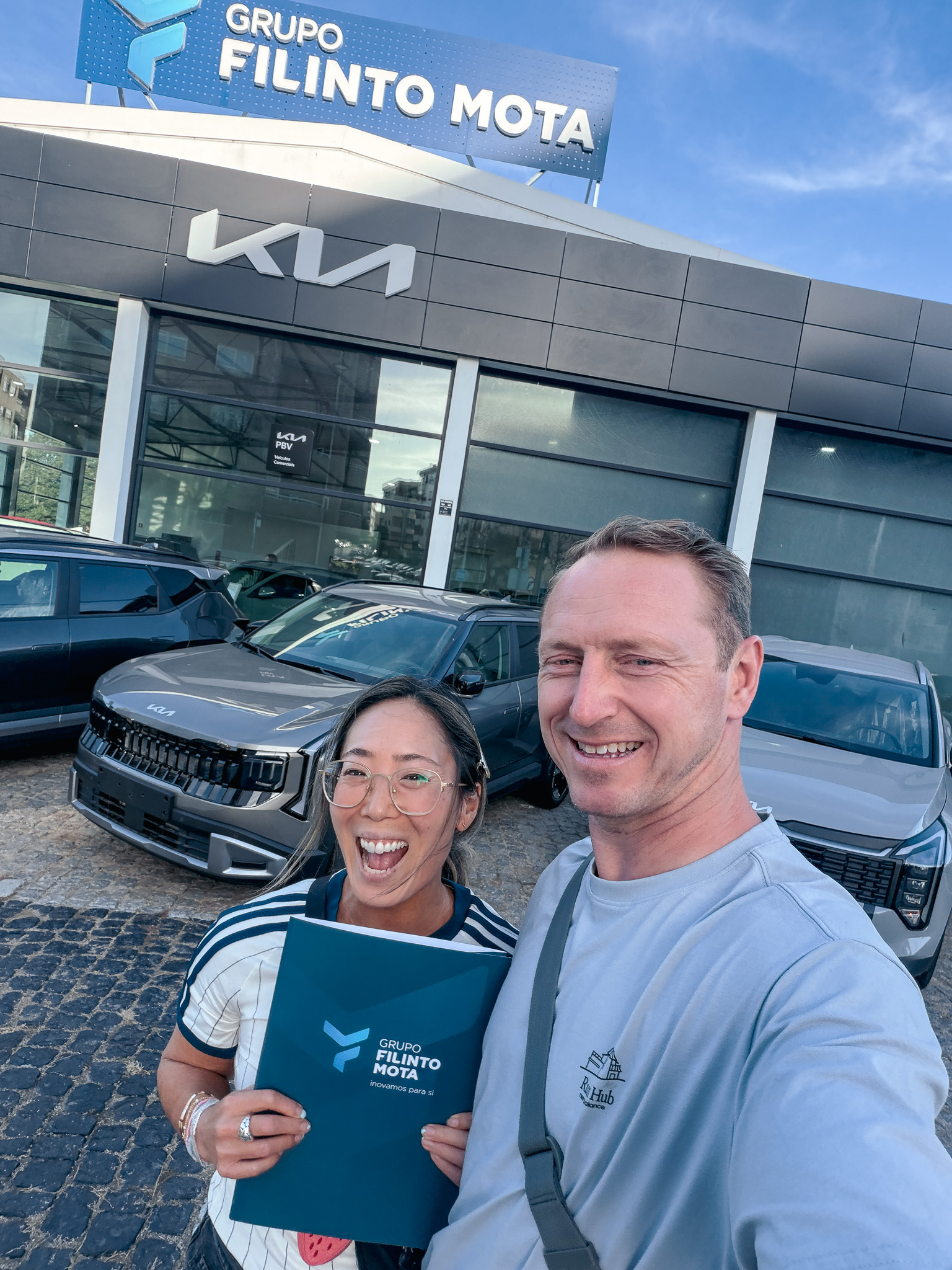
One of our first surprises was how little inventory dealerships carry. In the US, we’re used to big lots with rows of new and used cars. We expected to browse, compare configurations, and maybe negotiate a good deal on a car in stock or a demo model.
That wasn’t our experience in Porto. We visited all three Kia dealerships in the area, and not one had the EV3 configuration we wanted in stock. We were lucky that one dealership even had an EV3 we could test-drive, and it wasn’t the configuration we ultimately bought.
Choosing a color was different, too. US dealerships often have physical color swatches, but none of the ones we visited did. Luckily, another customer’s car was being delivered while we were there, in the exact color we were considering. That was our one chance to see it in person before committing!
We showed up without appointments. In hindsight, we’d recommend calling ahead to confirm which models and configurations are available, then scheduling a visit.
2. Dealership Experiences Can Vary Dramatically
Car dealerships here felt a lot less sales-y than what we’re used to in the US. No aggressive pitches, no pressure to close, and sometimes it almost felt like they didn’t particularly care whether we bought a car at all. 😂
The three Kia dealerships we visited in the Porto area were surprisingly different. At two of them, the interactions were fairly brief. English was limited, which made detailed questions harder, and we didn’t get much attention. To be fair, we arrived without appointments, and these dealerships may work mostly by appointment.
The dealership in Maia was a completely different experience. They spent a lot of time answering our questions, explaining our options, and taking us on a test drive. Communication was excellent throughout, which mattered a lot since this was our first time buying a car in Portugal.
We’re still glad we shopped around, though! One of the other dealerships emailed us the lowest quote we received. We took it back to Maia, and they matched it. To earn our business, they also added a few maintenance perks: covering our first maintenance appointment and giving us a discount equal to the IVA (VAT) on future services.
We chose the Maia dealership because it combined the best price with the best service and communication. Even if you find a dealership you love, it’s worth collecting quotes from a few others.

3. Test Drives Can Be Surprisingly Casual
Another surprise was how easy it was to test-drive a car. In the US, we’re used to dealerships asking for a driver’s license, collecting your information, and often sending a salesperson along for the ride.
We only did one test drive, at the dealership in Maia, and they simply handed us the keys and let us go. No paperwork, no signatures, and they didn’t even ask to see our driver’s licenses!
When we shared our car-shopping experience on Facebook, several people told us they’d had the same experience, so this seems to be fairly common in Portugal.
4. Timing Matters When Negotiating
There wasn’t a ton of room to negotiate on newer models, especially ones with limited availability. But timing helped us!
In our research, we’d heard that the end of a quarter can be a good time to buy, so we planned around it. We were shopping at the end of September, and Kia was running a Q3 campaign that ended September 30. In total, we saved €3,500 on our new EV3!
We also asked about end-of-year discounts, which are common in the US, but got the impression they aren’t as big a thing here. In our experience, the quarterly promotion was the better opportunity.
If your timing is flexible, ask about upcoming manufacturer campaigns or quarterly promotions, and confirm exactly when the promotional pricing expires.
5. Paying Cash Doesn’t Necessarily Get You the Best Deal
We assumed paying in full would give us more negotiating power, but that wasn’t necessarily true. Some dealerships partner with banks that offer an incentive toward the purchase price when you finance through them.
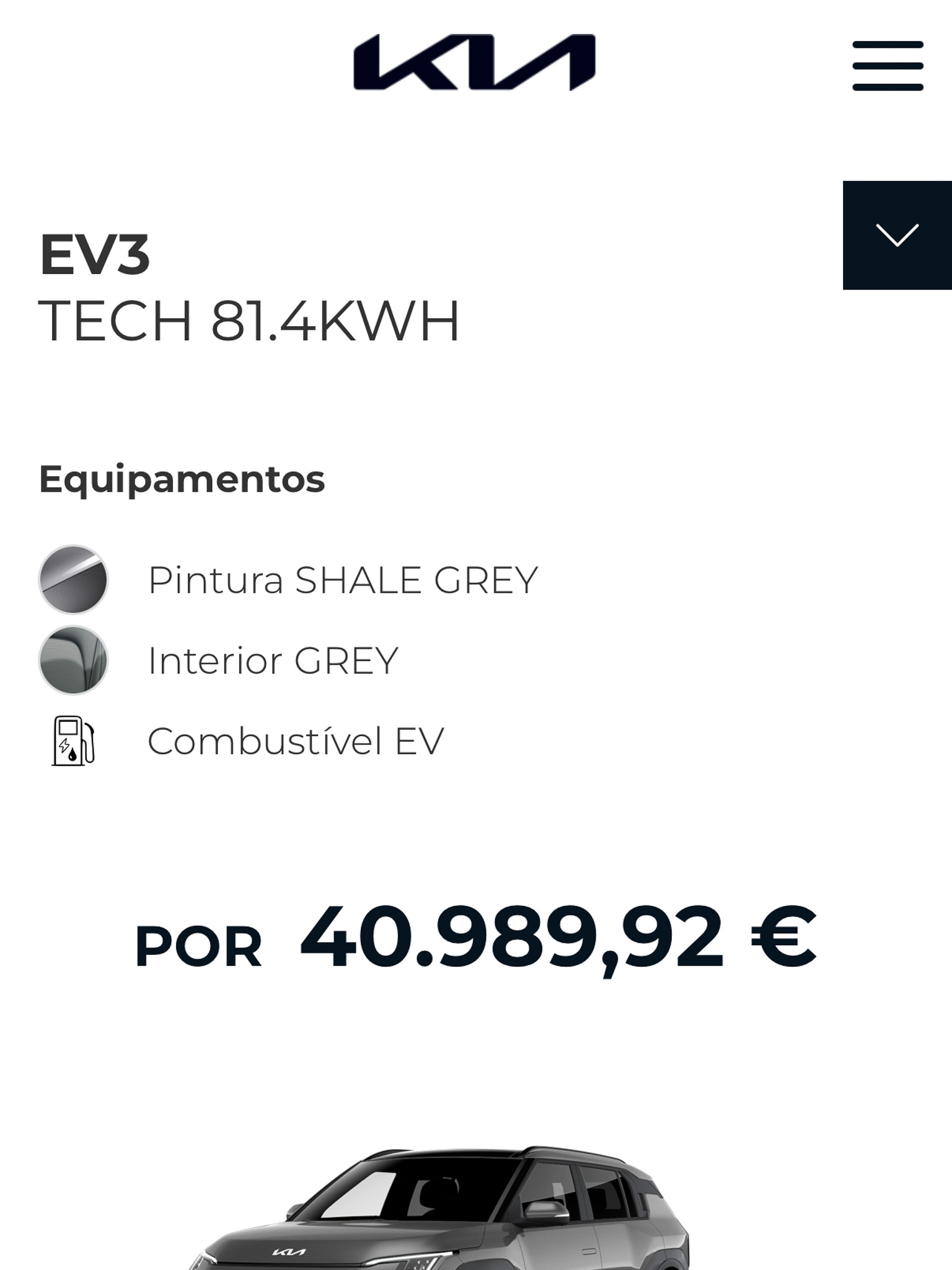
Kia, for example, had a financing partnership with Santander. We were quoted €42,990 without the financing incentive and €41,740 with it, a €1,250 difference.
Of course, a lower purchase price doesn’t automatically mean a better deal. You’ll need to factor in interest rates, loan fees, required insurance, and any early repayment penalties.
A few other things we noticed about financing:
- Longer terms. The plans we were offered ran much longer than we’re used to in the US. Financing started at a minimum of 84 months (seven years), with even longer terms available.
- Interest rates around 7%. That seemed fairly typical across the offers we saw.
- Documentation. We were told we’d need our most recent Portuguese IRS tax return and three months of salary or income documentation.
- Early repayment fees. One offer charged €5 for every €1,000 repaid early (0.5% of the amount).
Ask for both the cash price and the financing price, and compare the total cost. This matters most if you’re thinking of financing to get the discount and then paying the loan off early.
6. Paying With Physical Cash or a Credit Card? Not So Fast!
A friend of ours tried to buy a car with actual physical cash and found out that wasn’t an option. Portugal limits cash transactions, and payments of €3,000 or more are generally prohibited for residents. So showing up at a dealership with a suitcase of euros isn’t going to work!
We also looked into paying by credit card. As Americans, we’re always looking for ways to earn points and miles on big purchases. Our dealership did accept cards, but with a 4% processing fee. On a €40,000 purchase, that’s an extra €1,600!
The points wouldn’t come close to covering that, so we ruled it out. A bank transfer made much more sense for us.
7. We Really Wanted to Buy Used, but the EV Market Is Limited
We were actually keen to buy used. A new car loses value the moment you drive it off the lot, and we generally prefer to avoid that initial depreciation.
But Portugal’s used EV market is still fairly limited, especially for newer models. When we searched, there were only 18 used Kia EV3s listed in all of Portugal, and many were priced surprisingly close to new. Once we factored in our €3,500 discount on a new car, the savings from buying used were minimal.
That’s not to say there aren’t good used-car deals here. The market for diesel cars, for example, is much more established, and you can find some attractive options. But for the specific EV we wanted, buying new made more financial sense.
8. Company Cars and Leasing Are Worth Exploring
Company cars and leasing are a big part of car ownership in Portugal and across Europe. If you own a business, there may be some interesting options.
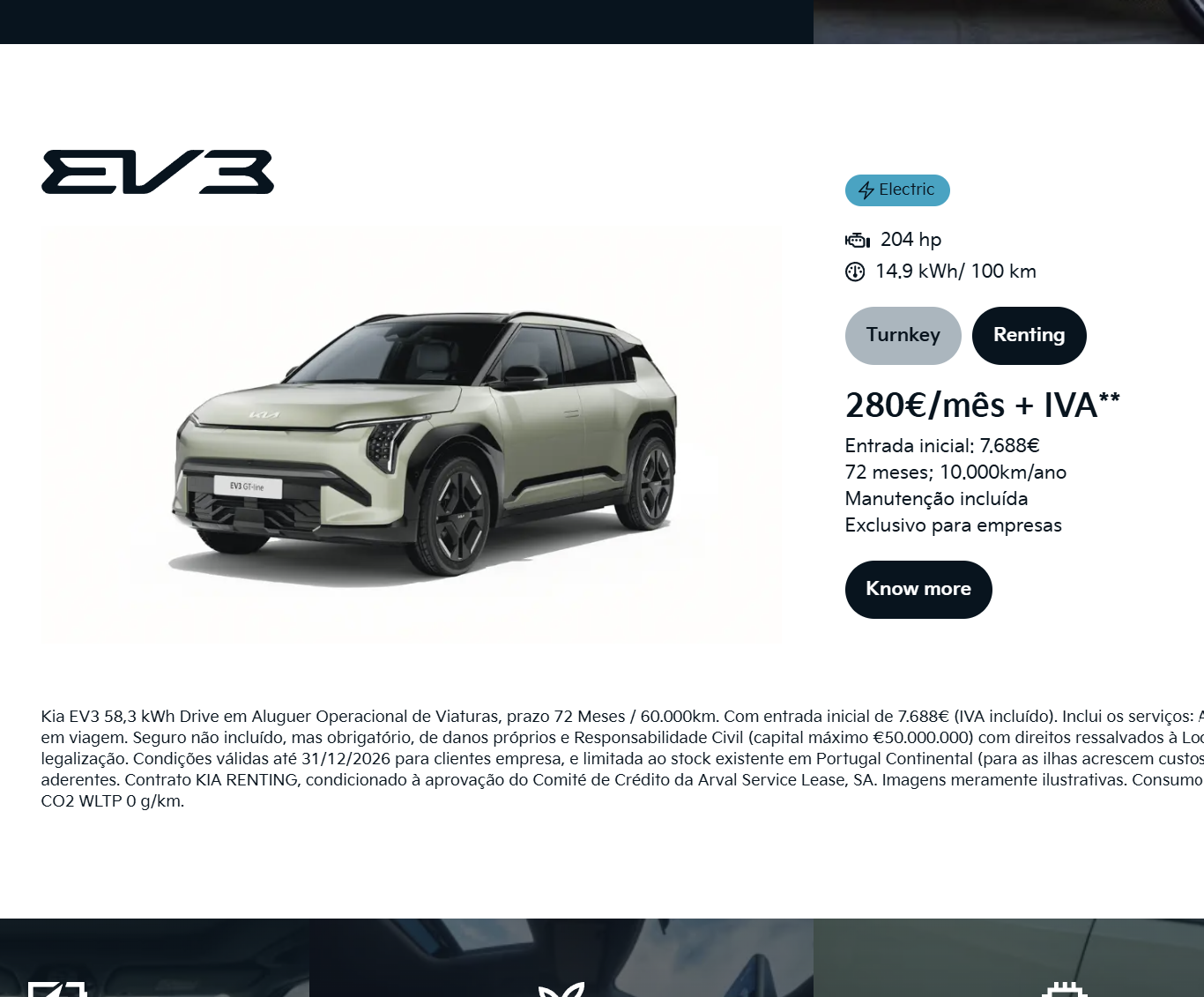
We looked into leasing, and the pricing was more reasonable than we expected. One quote was €543 per month (excluding IVA) for a three-year lease with maintenance included.
Leasing can be appealing because you’re paying to use the car rather than buying it outright. Depending on the contract, maintenance and other services may be included, and you hand the car back at the end of the term instead of worrying about resale.
There can also be significant tax benefits to buying an electric car through a Portuguese company, including potential VAT deductions and favorable treatment of certain vehicle expenses. On the other hand, owning the car personally and claiming eligible business mileage may also work, depending on your situation.
We explored both and decided that buying the car personally made more sense for us. Our advice: run the numbers with your accountant rather than assume company ownership is automatically the better deal.
9. Prepaid Maintenance Plans May Not Make Sense for Electric Cars
This was another area where we ran the numbers.
We were offered a seven-year maintenance plan for €2,202. At first it sounded appealing: pay once and have maintenance covered for years.
But electric cars generally need less routine maintenance than petrol or diesel cars. There are no oil changes, for example, and services are typically less extensive. When we compared the EV3’s expected maintenance schedule against the cost of paying for each service individually, we estimated we’d spend less paying as we go.
The Maia dealership’s offer to cover our first service and discount future services by the equivalent of IVA made the prepaid plan even less attractive.
Our tip: ask for the manufacturer’s maintenance schedule, find out what each service costs, and compare that with the prepaid price. Also check what’s actually included, since tires, wear-and-tear items, and unexpected repairs may not be covered.
10. Why We Chose Electric (and Portugal’s Surprising EV Adoption)
We were drawn to an electric car for several reasons: a smaller environmental footprint, no more buying petrol, less routine maintenance, and a quieter, smoother ride.
Our biggest hesitation was charging, especially on longer road trips through Portugal, Spain, and beyond. We’re also still renting, so our plan is to rely on slow charging and find a rental with parking. A hybrid felt like the more flexible option at first. But after looking at our expected driving habits, the available cars, and the charging infrastructure, we decided to go fully electric.
What we hadn’t realized until we started researching was how quickly Portugal is adopting electric vehicles compared with the US:
- Portugal: According to Portugal’s automobile association, ACAP, 29% of new passenger cars registered from January through September 2026 were fully electric. In September alone, that number reached 47.7%!
- US: Fully electric vehicles made up about 6.4% of new vehicle sales in Q3 2026, according to Cox Automotive.
These figures reflect new car sales and registrations, not the share of all cars on the road, but the difference is pretty striking!
We chose the Kia EV3 for its size, design, technology, and driving range. It fits our lifestyle without being too big for narrow Portuguese streets.
We’re still new to EV ownership, so we’ll have plenty more to share once we’ve spent real time driving and charging it!
11. There Are Tax Benefits to Buying Electric in Portugal
One advantage of buying a fully electric car in Portugal is the potential tax savings.
For private buyers, fully electric cars are exempt from Portugal’s vehicle registration tax (ISV) and annual circulation tax (IUC). Private buyers generally still pay the standard 23% VAT (IVA) on a new car, though.
Portugal has also offered government incentives for qualifying EV purchases. These come with specific requirements, such as price caps, application windows, and sometimes scrapping an older combustion-engine car.
For example, the 2025-2026 Fundo Ambiental program offered a €4,000 incentive for eligible new electric passenger cars costing no more than €38,500, including VAT and associated costs. It also required scrapping an eligible older vehicle. Our EV3 was above the price cap, so we couldn’t take advantage of it.
For businesses, the tax advantages can be more substantial, but the rules depend on the car’s price, the company’s tax situation, and how the car is used.
If you’re considering an EV, check the latest incentives, and talk to an accountant if you’re buying through a business.
12. Ordering the Car and Paying the Deposit
Once we’d picked the dealership and agreed on a price, ordering was simple.
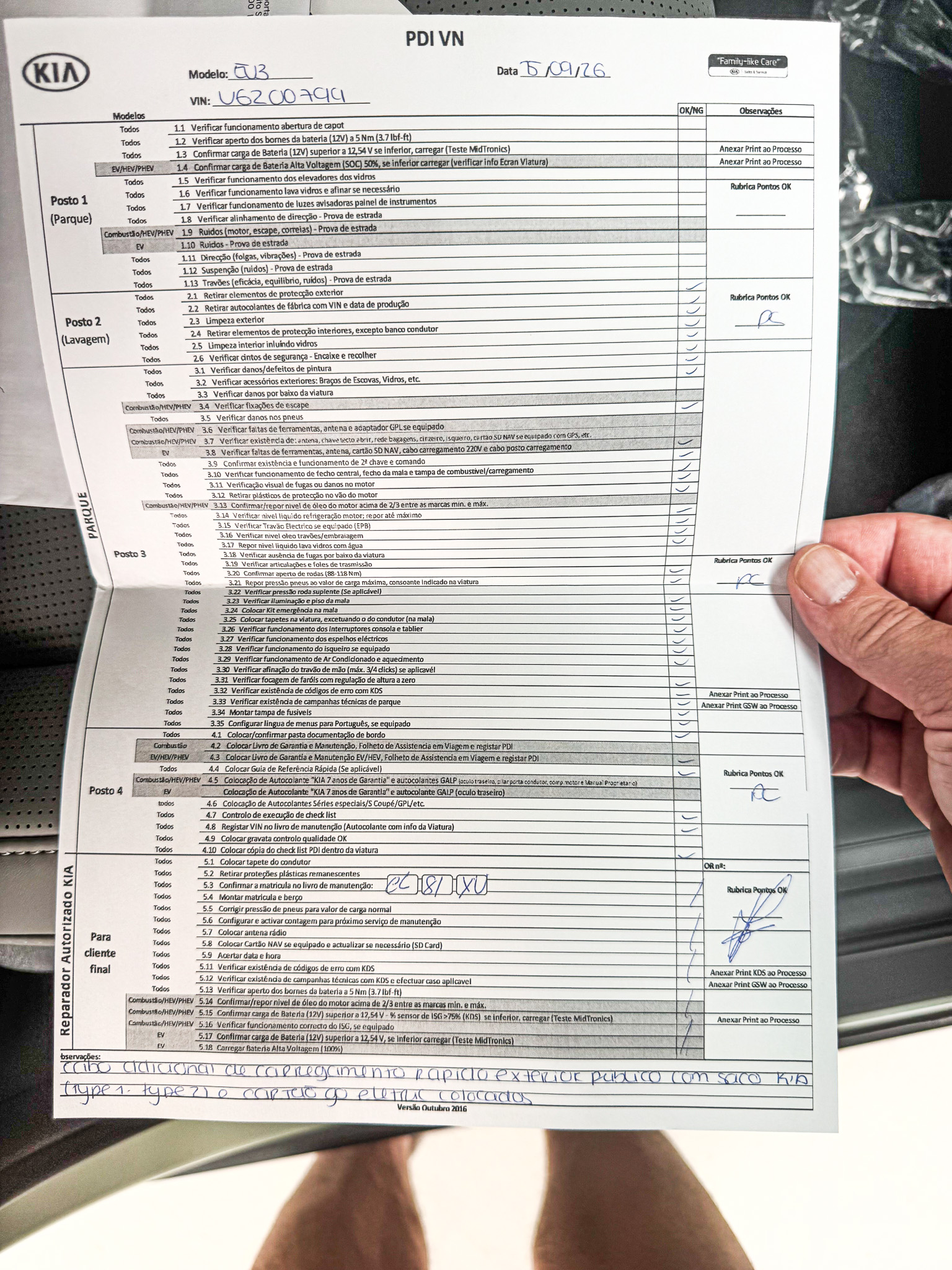
We paid a €1,000 deposit to secure the order. The dealership estimated delivery in two to three months, although we’re now hearing it might arrive a little sooner!
When the car arrives, we’ll pay the remaining balance, and the dealership will handle the Portuguese license plates and registration for us.
Before you pay a deposit, confirm the expected delivery timeline, what happens if there are delays, and the deposit’s terms and conditions.
Would We Recommend Buying a Car in Portugal?
It really depends on your lifestyle and where you live.
If you’re moving to central Porto, we’d absolutely recommend trying life without a car first. We made it almost two years and don’t regret it one bit. We saved money, walked more, and got very comfortable with public transportation.
But if you often explore smaller towns, take road trips, or travel to places that aren’t well served by public transportation, a car offers a lot more flexibility.
For us, buying a car isn’t about needing one to live in Porto. It’s about making it easier to explore more of Portugal and beyond. After nearly two years of car-free living, we’re excited for this next chapter!
Are you driving an electric car in Portugal? We’d love your tips on charging apps, road trips, and driving across Europe. We’re all ears!
We’ll update this post once our Kia EV3 arrives and we’ve had some real-world experience with charging, insurance, and taking it on the road.
More on Moving to Portugal
Thinking about making the move yourself? Here are more posts from our own journey:
- We Talked About Moving Abroad for Years. Here’s What Actually Made It Happen.
- Why We Chose Portugal Over Spain
- What It Actually Cost Us to Move to Portugal (Spoiler: Nearly $40,000)
- D7 vs D8 Visa in Portugal: Which One Do You Actually Need?
- From Visa Application to Residence Card in Portugal: How Long It Actually Took Us
- How We Found Our Apartments in Porto (And What We Wish We’d Known)








Leave a Reply